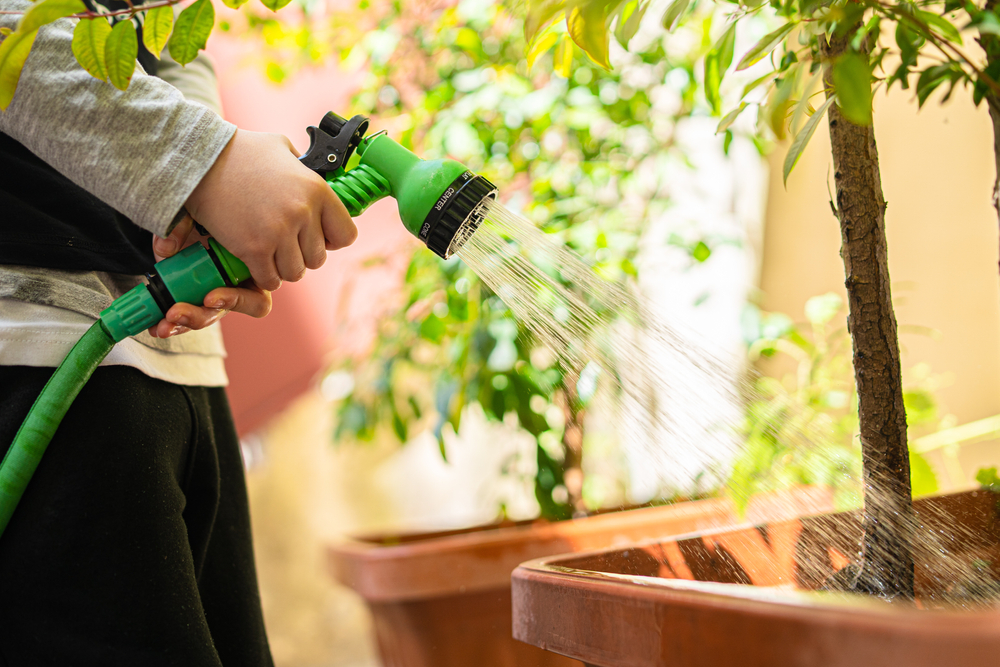
That headline is the kind that makes you look at your hose like it’s a ticking time bomb, especially if you water lettuce, herbs, or tomatoes. Here’s the calmer truth: stories like this often spread faster than the evidence, and it’s not always clear that the EPA has actually named a specific consumer garden hose brand in a public warning about edible gardens. What is real is that some hoses and fittings can contain materials that aren’t meant for drinking-water contact, and independent testing has found contaminants like lead and certain plastic additives in some products. The good news is you can reduce risk quickly without replacing your entire setup or spending a fortune.
What “Leaching Chemicals” Actually Means
In plain terms, leaching chemicals means compounds can move from hose materials into the water that sits inside it, especially when the hose gets warm in the sun. This is more likely with some vinyl/PVC hoses or certain fittings, and it’s why many hoses carry warnings not to use them for drinking water. Independent testing has found that some common hoses contained contaminants of concern, including lead and phthalates, which can show up in water that sits in the hose. The risk isn’t just “chemicals exist,” it’s about exposure—how often water sits, how hot it gets, and where that water ends up.
Why This Becomes A Bigger Deal In Vegetable Beds
If you’re watering ornamentals, the concern feels abstract, but edible beds make people understandably cautious. Warm hose water can concentrate whatever is in the line because heat speeds up migration and you’re often pouring that first burst right at the base of plants. When you hear “leaching chemicals,” it’s easy to picture plants absorbing everything and sending it straight into your salad, but uptake depends on the specific compound, the soil, and the plant. Some articles point out that presence in a hose doesn’t automatically mean the chemical ends up inside the edible portion of a crop. Still, reducing contact with questionable materials is a smart, low-effort move for busy gardeners.
The Materials That Raise The Most Questions
Most of the concern centers on flexible vinyl/PVC hoses and certain brass fittings rather than every hose on every shelf. A widely cited independent report found lead and other contaminants in a number of tested hoses, and it recommended paying attention to labels and warnings because “lead-free couplings” alone didn’t guarantee the hose body was free of other contaminants. Another practical takeaway is that polyurethane drinking-water-safe hoses performed better in that testing, while some non–drinking water hoses showed more issues. None of this means your garden is doomed, but it does mean your hose choice and habits matter.
The Fastest Fix Costs Almost Nothing
Start by flushing the line for a few seconds before you water anything edible, especially if the hose has been sitting in the sun. That first hot burst is where you’re most likely to get higher exposure to whatever might be leaching chemicals into standing water. Water in the early morning when possible, because hoses stay cooler and plants use water more efficiently. Store the hose in shade or on a reel to reduce heat cycling, which can worsen leaching chemicals over time. If you use a sprayer, avoid “misting” edible leaves with the first flush and aim at the soil instead.
What To Buy If You’re Replacing A Hose Anyway
If you’re already planning to replace a hose, look for a drinking-water-safe hose or a hose certified to relevant drinking-water contact standards (often labeled on the packaging). You’ll also see guidance pointing shoppers toward certifications like NSF/ANSI for drinking-water components as a practical signal that materials are intended for potable use. For edible gardens, consider using drinking-water-safe hoses for the main run and then switching to food-grade tubing for drip lines, because drip delivers water right where roots take it up. This is a simple way to limit leaching chemicals concerns without turning your garden budget into a science project. When in doubt, prioritize “drinking-water-safe” over vague claims like “eco” or “premium.”
Don’t Confuse Chemical Concerns With Hose Recalls
It’s also worth separating “chemical worry” headlines from actual safety recalls, because they’re not the same problem. For example, a major recent hose recall involved hoses bursting and causing impact or hearing hazards, which is serious—but it’s not a chemical-leaching alert. If a headline claims a regulator “flagged” a specific product, check whether the notice is from the EPA, the CPSC, or a state agency, and whether it’s about materials, labeling, or physical failure. That quick check keeps you from panic-buying replacements when the real issue might be a totally different model or hazard. And if you do find a legitimate recall, follow the remedy steps and stop using the product immediately.
The Bottom Line For Edible Gardens This Season
You don’t need to fear watering your vegetables, but you should treat your hose like a piece of equipment that deserves a little strategy. Flush the hose, keep it cool, avoid spraying the first warm water onto edible leaves, and upgrade to a drinking-water-safe option when replacement time comes. Those habits dramatically cut the chance that leaching chemicals become part of your garden routine, especially in hot weather. Separate scary headlines from verified notices and lean on labels and independent testing when you shop.
Have you ever switched hoses (or changed watering habits) specifically for your veggie garden—what made you decide it was worth it?
What to Read Next…
The Forgotten Step That Protects Outdoor Faucets and Hoses from Cracking
Water Boards Say This Common Irrigation Setup Is Wasting Thousands of Gallons
The $5 Gardening Tool That’s Saving Florida Growers Hundreds This Winter
Stormwater Authorities Warn: Your Garden Could Be Causing Basement Mold
These 9 Gardening Laws Could Cost Homeowners Big in 2026

Catherine is a tech-savvy writer who has focused on the personal finance space for more than eight years. She has a Bachelor’s in Information Technology and enjoys showcasing how tech can simplify everyday personal finance tasks like budgeting, spending tracking, and planning for the future. Additionally, she’s explored the ins and outs of the world of side hustles and loves to share what she’s learned along the way. When she’s not working, you can find her relaxing at home in the Pacific Northwest with her two cats or enjoying a cup of coffee at her neighborhood cafe.
Leave a Reply