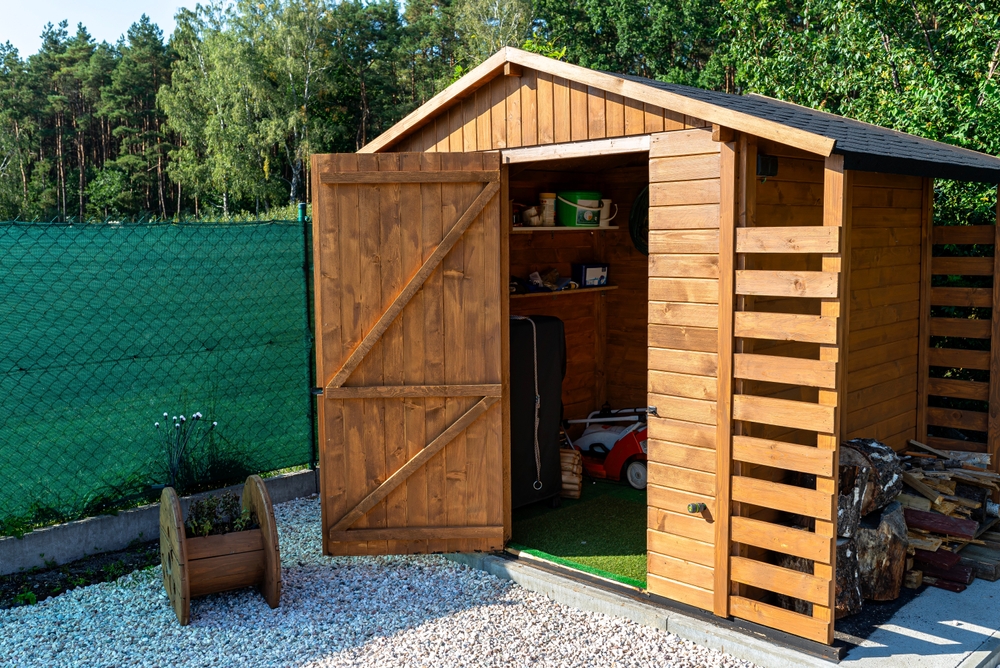
A shed is supposed to be the calm corner of your yard where life gets simpler, not a place that can turn into a worst-case scenario overnight. But when spring hits and tools come out daily, one habit starts creeping in: piling “just one more thing” near where you charge and store equipment. That storage mistake feels harmless because it saves time, keeps cords handy, and makes the shed feel organized enough. The problem is it quietly creates the perfect setup for heat, sparks, and flammable vapors to meet in the same tight space. Fixing it is less about buying new gear and more about moving a few items and changing one routine.
Why Sheds Catch Fire Faster Than People Think
Most sheds have limited airflow, lots of dry wood, and plenty of cardboard, paper, and plastic that burn easily. They also tend to store fuel, fertilizers, and chemicals that don’t belong near heat sources. Add extension cords, chargers, and old outlets, and the risk climbs without any dramatic warning. Fire spreads faster in small structures because heat builds quickly and there’s less room for it to dissipate. A shed doesn’t have to be messy to be risky, it just needs the wrong items stored too close together.
The Charging Corner Is The Hidden Hot Spot
Rechargeable tools make gardening easier, but charging creates heat, and heat needs space and safe surroundings. When chargers sit on wooden shelves surrounded by cloth, paper, or plastic bins, they can warm the materials around them over time. If a battery is damaged, old, off-brand, or charged on a cheap cord, the chance of overheating goes up. Even when nothing fails, a charger left running in a cramped corner can become a steady heat source near easy fuel. That’s why the “charging corner” deserves the same respect you’d give a grill or a space heater.
The Real Risk Is What’s Stored Next To Power
A surprising number of shed setups put gasoline cans, propane cylinders, or solvent-based sprays a few feet from chargers and outlets. Those products can release vapors, especially on hot days, and vapors don’t need a big flame to ignite. The most dangerous part of the storage mistake is mixing a heat source with items that burn fast, melt, or release fumes. Bags of potting mix, piles of mulch, cardboard boxes, and rags also become tinder when they’re stacked in the wrong place. If you can smell gas, chemicals, or strong cleaners in your shed, treat it as a warning sign and reorganize immediately.
Small Electrical Problems Turn Big In A Shed
Sheds often run on one outlet, one extension cord, or wiring that wasn’t designed for multiple chargers and power tools. Overloaded cords heat up, and cheap power strips can fail when they’re used like permanent wiring. Moisture also plays a role, since sheds see condensation, humidity, and temperature swings that stress electrical connections. When the storage mistake adds clutter around cords and outlets, you can’t spot fraying, loose plugs, or scorch marks early. If your power setup feels improvised, it’s worth simplifying before the busy season ramps up.
How To Fix The Storage Mistake Today
Start by creating a “no-flammables zone” around chargers and outlets, and make it a minimum of three feet in every direction. Move fuel, aerosols, solvents, and anything with strong fumes to a separate area, ideally in an approved container and away from power. Put chargers on a noncombustible surface like a metal shelf, a concrete paver, or a ceramic tile, and keep them off wood and away from piles. This is where the storage mistake usually ends, because a clear zone forces you to stop stacking “temporary” items near heat. Then make a simple rule: charge tools only when you’re home and awake, and unplug chargers when they’re done.
Safer Storage For Tools, Fuel, And Chemicals
Hang long-handled tools vertically so they’re not leaning into cords or blocking airflow around outlets. Store chemicals up high and sealed, and keep them away from direct sun so containers don’t degrade or vent fumes. If you must keep fuel on site, store the smallest practical amount and use proper, labeled cans with tight caps. The storage mistake often looks like “everything has a shelf,” but safe storage is really about separation and ventilation. A tidy shed is nice, but a safer shed is one where heat sources and flammables simply don’t share space.
Make Your Shed A Safer Part Of Your Garden Routine
Add a basic smoke alarm rated for outdoor buildings if your setup allows it, and test it when you switch clocks each year. Keep a small ABC fire extinguisher near the shed door so you can grab it without entering deeper into a smoky space. Do a 60-second scan once a week: check cords, look for clutter creep, and make sure nothing drifted back into the danger zone. The storage mistake tends to return during busy weeks, so the scan is what keeps the fix in place. With one clear charging area and smarter separation, your shed stays a tool hub instead of a hazard.
The Safer Shed Setup That Protects Your Whole Yard
The best shed safety plan is simple: isolate heat and electricity, and store flammables like they’re never allowed to “hang out nearby.” Once you stop treating the charging area like a general-purpose shelf, everything else gets easier to organize. The storage mistake doesn’t happen because gardeners are careless, it happens because convenience wins when time is tight. A few feet of space, a better surface, and a consistent routine can dramatically cut risk without costing much. When your shed is safer, you can focus on growing things instead of worrying about what could go wrong.
What’s the one thing you’d be most willing to move today to make your shed safer—fuel, chargers, or the clutter that keeps creeping back?
What to Read Next…
11 Things Rodents Use to Sneak Into Your Garden Shed
Local Fire Marshals Are Urging Gardeners to Rethink This Popular Landscaping Habit
Greenhouse Secrets: How to Turn a Drafty Shed Into a Cozy Plant Haven
6 Soil Additives That Could Backfire in Cold Weather—Experts Warn to Skip These in January
8 Garden Sheds You Should Insure for the Winter Months

Catherine is a tech-savvy writer who has focused on the personal finance space for more than eight years. She has a Bachelor’s in Information Technology and enjoys showcasing how tech can simplify everyday personal finance tasks like budgeting, spending tracking, and planning for the future. Additionally, she’s explored the ins and outs of the world of side hustles and loves to share what she’s learned along the way. When she’s not working, you can find her relaxing at home in the Pacific Northwest with her two cats or enjoying a cup of coffee at her neighborhood cafe.
Leave a Reply