Late spring turns gardens into a fast-moving showcase of color, texture, and rapid plant growth. Soil warms up, daylight stretches longer, and plants finally hit their stride after cooler months. This is the moment when smart plant choices really pay off, especially for gardeners who want strong results without constant fussing.
Some plants simply love this window and respond with bold blooms, lush foliage, or quick harvests. Choosing the right seasonal performers can turn an average yard into a lively, productive space in just a few weeks.
1. Peonies Bring Big, Bold Blooms With Serious Garden Drama
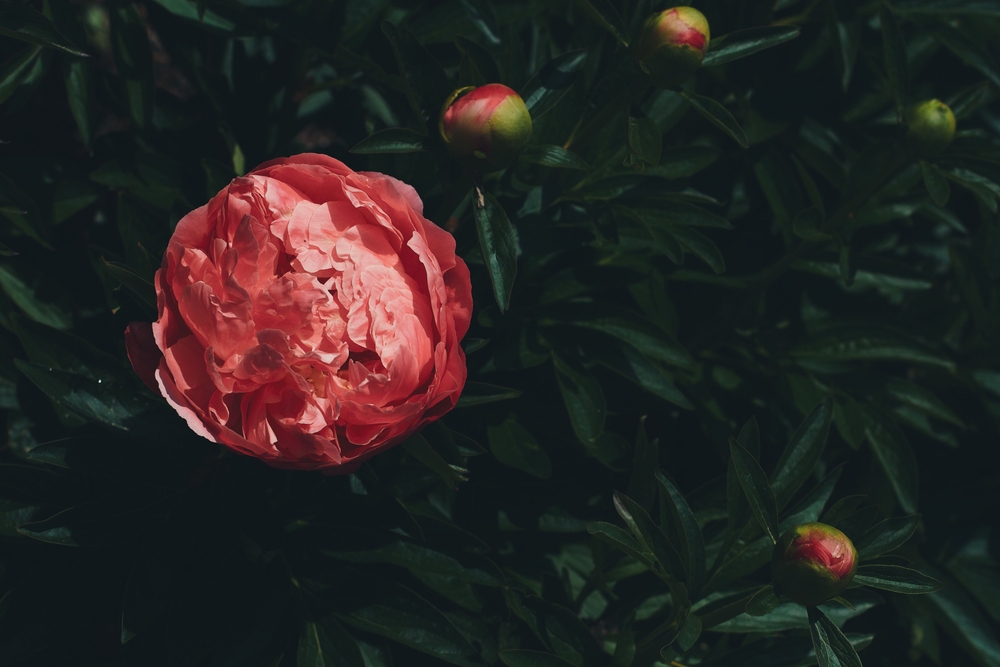
Peonies steal attention in late spring with oversized blooms that look almost too perfect to be real. These flowers push out thick buds that open into lush, layered petals in shades of pink, white, and red. Gardeners often wait all year for this short but spectacular display, and the payoff feels worth every second. Strong stems keep the blooms upright, especially when plants grow in full sun with rich soil.
Peonies also reward patience with long lifespans that can stretch for decades in the same spot. Once established, they require minimal care beyond occasional watering and deadheading spent flowers. Many gardeners plant them near walkways or porches to enjoy their fragrance up close. Late spring gives them exactly the conditions they need to shine without stress.
2. Snapdragons Add Vertical Color That Keeps Beds Exciting
Snapdragons deliver tall spikes of color that instantly add structure to garden beds. These blooms come in bold shades like yellow, orange, pink, and deep red, creating a lively mix that attracts attention from a distance. Cooler late-spring nights help extend their bloom time, especially when planted early in the season. Pollinators also visit frequently, giving the garden extra movement and life.
These plants work well in both borders and containers, which makes them incredibly versatile. Regular deadheading encourages more flower spikes and keeps the display going longer. Gardeners often mix them with lower-growing plants to create layered visual interest. Snapdragons handle late spring transitions smoothly and keep beds looking full and vibrant.
3. Lettuce Delivers Fast Harvests Before Summer Heat Arrives
Lettuce grows quickly in late spring, especially when temperatures stay mild and consistent. Loose-leaf varieties produce harvestable leaves in just a few weeks, which makes them perfect for impatient gardeners. Cooler conditions help prevent bitterness and slow bolting, which often happens once heat arrives. Raised beds or containers give lettuce excellent drainage and easy access for repeated harvesting.
Frequent cutting encourages new growth, which stretches the harvest window without replanting. Many gardeners mix different varieties to create colorful salads with red, green, and speckled leaves. Morning watering helps maintain crisp texture and reduces stress on the plants. Late spring offers one of the best windows for fresh, homegrown salads.
4. Lavender Brings Fragrance and Pollinator Power
Lavender fills late spring gardens with calming scent and soft purple spikes that sway in the breeze. Bees and butterflies flock to it, turning any garden space into a buzzing hub of activity. This plant loves sunny, dry conditions and rewards minimal watering once established. Its silvery foliage adds contrast that pairs beautifully with brighter flowers.
Gardeners often plant lavender along pathways or borders where its fragrance can be enjoyed up close. Pruning after flowering helps maintain shape and encourages stronger growth the following season. Dried lavender also works for crafts, sachets, and home fragrance projects. Late spring sets the stage for its first major bloom cycle.
5. Zinnias Deliver Bold Color With Minimal Effort
Zinnias burst into late spring gardens with bright, cheerful blooms in nearly every color imaginable. These flowers grow quickly from seed and respond well to warm soil and steady sunlight. Their sturdy stems make them excellent for cutting gardens and indoor arrangements. The more they get cut, the more they bloom, which keeps color flowing all season.
Gardeners appreciate how little maintenance zinnias require once established. Good airflow between plants helps reduce mildew and keeps foliage healthy. Mixing heights creates a dynamic display that looks lively and full. Late spring marks the start of their fast, colorful performance.
6. Cucumbers Start Climbing Toward Summer Productivity
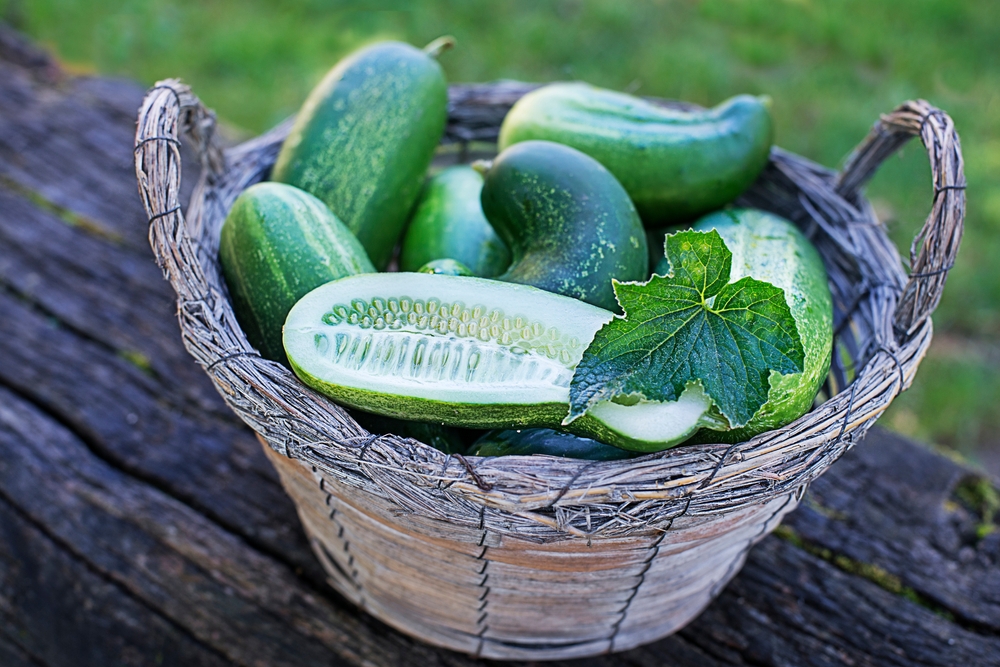
Cucumbers love the warming soil of late spring and respond quickly with rapid vine growth. Trellises help guide their upward climb, saving space and improving air circulation. Small flowers appear first, followed by steady fruit production when pollination succeeds. Consistent watering keeps fruits crisp and reduces bitterness.
Gardeners often plant cucumbers in succession to extend harvests through summer. Mulch helps retain moisture and keeps roots cool during temperature swings. Picking cucumbers regularly encourages the plant to produce more fruit. Late spring provides the perfect launchpad for a productive season.
7. Geraniums Keep Containers Bright and Reliable
Geraniums bring dependable color to containers, hanging baskets, and garden beds during late spring. Their rounded clusters of blooms appear in shades of red, pink, and white, creating a classic seasonal look. These plants handle warm days well and tolerate brief dry periods without losing their appeal. Strong stems and tidy growth habits make them easy to maintain.
Deadheading spent flowers helps extend their blooming period significantly. Many gardeners rotate containers near patios to enjoy their bright presence up close. Geraniums pair well with trailing plants for balanced arrangements. Late spring gives them the warmth they need for steady performance.
8. Basil Brings Flavor and Fast Growth to the Kitchen Garden
Basil grows quickly in late spring and responds strongly to warm soil and full sun. Its fragrant leaves enhance everything from salads to sauces, making it a kitchen essential. Regular harvesting encourages bushier growth and prevents early flowering. Containers and garden beds both support strong production when drainage stays consistent.
Gardeners often plant basil near tomatoes to improve garden efficiency and harvesting convenience. Pinching back stems helps shape the plant and increases leaf output. Fresh basil loses flavor quickly after harvest, which makes homegrown supply especially valuable. Spring marks the beginning of its most productive season.
Late Spring Gardens Reward Smart Plant Choices
Late spring offers a powerful window for plants that respond quickly to warmth, sunlight, and steady moisture. These eight seasonal favorites bring color, flavor, fragrance, and structure to gardens with surprisingly little effort. Each one performs best when planted at the right moment, creating a balanced and lively outdoor space. Gardeners who mix flowers, herbs, and vegetables enjoy both beauty and function in the same space. Careful timing turns this season into one of the most rewarding parts of the gardening year.
What plants bring the most excitement to late spring gardens in your space?
You May Also Like…
7 Spring Weather Selections That Handle Fluctuations
6 Late Spring Crops That Still Produce Strong Harvests
6 Spring-Ready Crops That Establish Quickly
5 Beginner Errors That Reduce Yields in Spring Gardens
6 Flower Varieties That Bloom Quickly After Late Spring Planting

Brandon Marcus is a staff writer for FrugalGardening.com at District Media, Inc., where he delivers practical gardening advice with a relatable, no-nonsense style. An avid amateur gardener, he holds a BA degree and with over ten years of professional writing experience, he is also an award-winning published author whose first book, Questions For Deep Thinkers, was released by Adams Media. His work has appeared in major publications including Fandom.com, CHUD.com, TheColdWire.com, and Fansided.com.
Leave a Reply