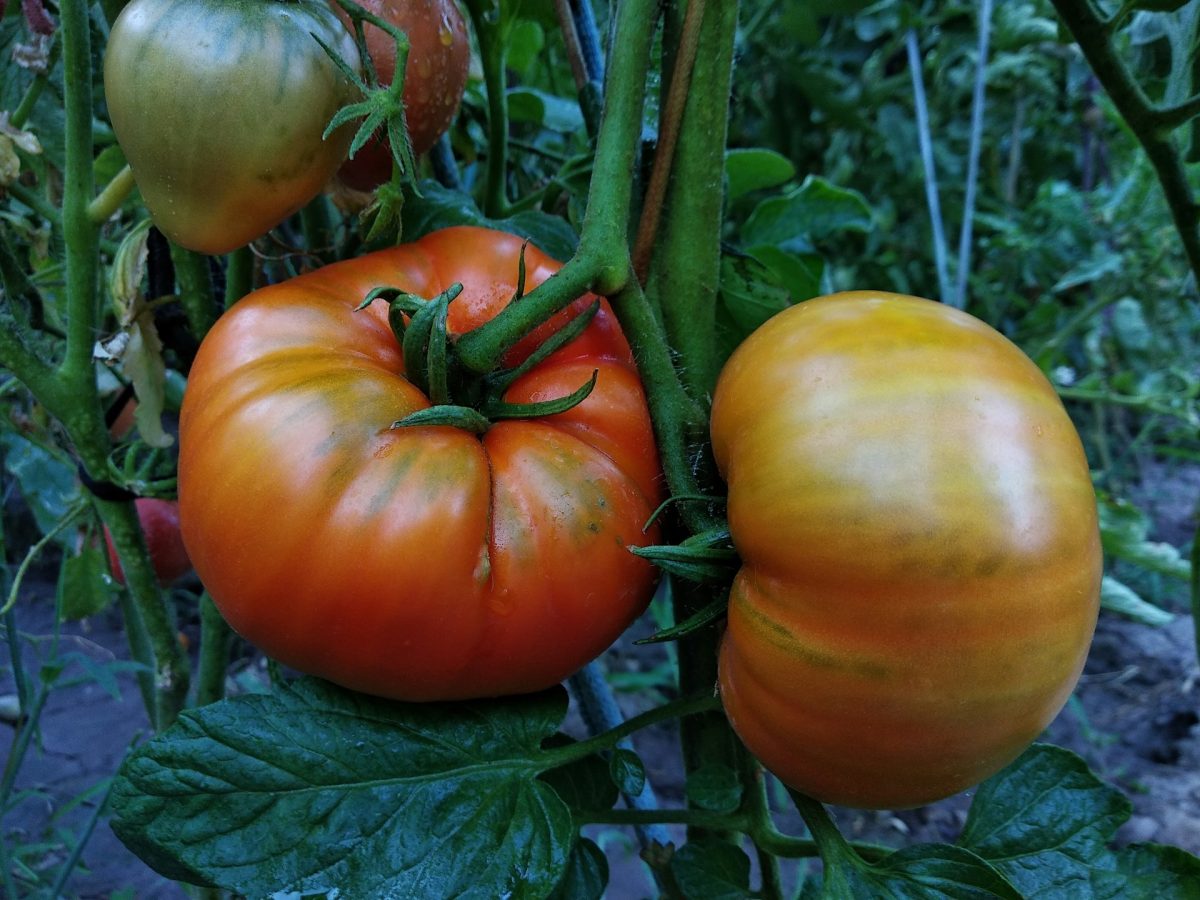
You can nurture your tomato plants like prized pets, water them with care, stake them upright, feed them rich compost—and still watch them twist, yellow, and collapse. Sometimes the threat doesn’t arrive in a storm or crawl in on six legs. Sometimes it waits quietly in the weeds.
One of the most overlooked dangers in a vegetable garden grows low to the ground, blends into the background, and looks harmless enough to ignore. Yet this common backyard weed can host a destructive virus that hits tomatoes hard and fast. If you grow tomatoes, you need to know what it is, how it works, and what you can do about it before it wipes out a season’s worth of effort.
A Common Weed With a Dangerous Secret
Take a close look around the edges of your yard, along fences, or in neglected corners of your garden beds. You may spot black nightshade. It often grows unnoticed, with small white star-shaped flowers and clusters of green berries that turn black when ripe. Many gardeners mistake it for a harmless wild plant or even confuse it with young tomato seedlings because they belong to the same plant family.
Black nightshade belongs to the nightshade family, the same group that includes tomatoes, peppers, and eggplants. That family connection matters more than most people realize. Because it shares close genetic ties with tomatoes, it can host several of the same diseases that attack tomato crops.
One of the most concerning threats linked to black nightshade involves plant viruses that cause serious damage to tomatoes. When this weed grows near a vegetable garden, it can act as a reservoir, keeping the virus alive even when no tomatoes grow nearby. That quiet persistence sets the stage for infection once tomato plants return to the soil.
The Virus That Hits Tomatoes Hard
Among the viruses associated with weedy hosts like black nightshade, Tomato Spotted Wilt Virus stands out as a major concern. Known commonly as Tomato spotted wilt virus, this pathogen infects hundreds of plant species, including tomatoes. It causes stunted growth, yellowing leaves, dark or bronze spots, and ring patterns on fruit that make it unmarketable and often inedible.
Tomato Spotted Wilt Virus does not spread through casual contact or splashing water. Tiny insects called thrips carry it from plant to plant. Thrips feed on infected weeds like black nightshade, pick up the virus as larvae, and then transmit it when they feed on healthy tomato plants. Once a tomato plant becomes infected, no cure exists. The plant will not recover, and it can become a source of further spread if thrips continue feeding.
Because thrips can feed on many different plants, they often move easily between weeds and crops. When black nightshade grows nearby, it gives both the virus and the insect vector a convenient home base. That relationship creates a cycle that can devastate tomatoes in home gardens and commercial fields alike.
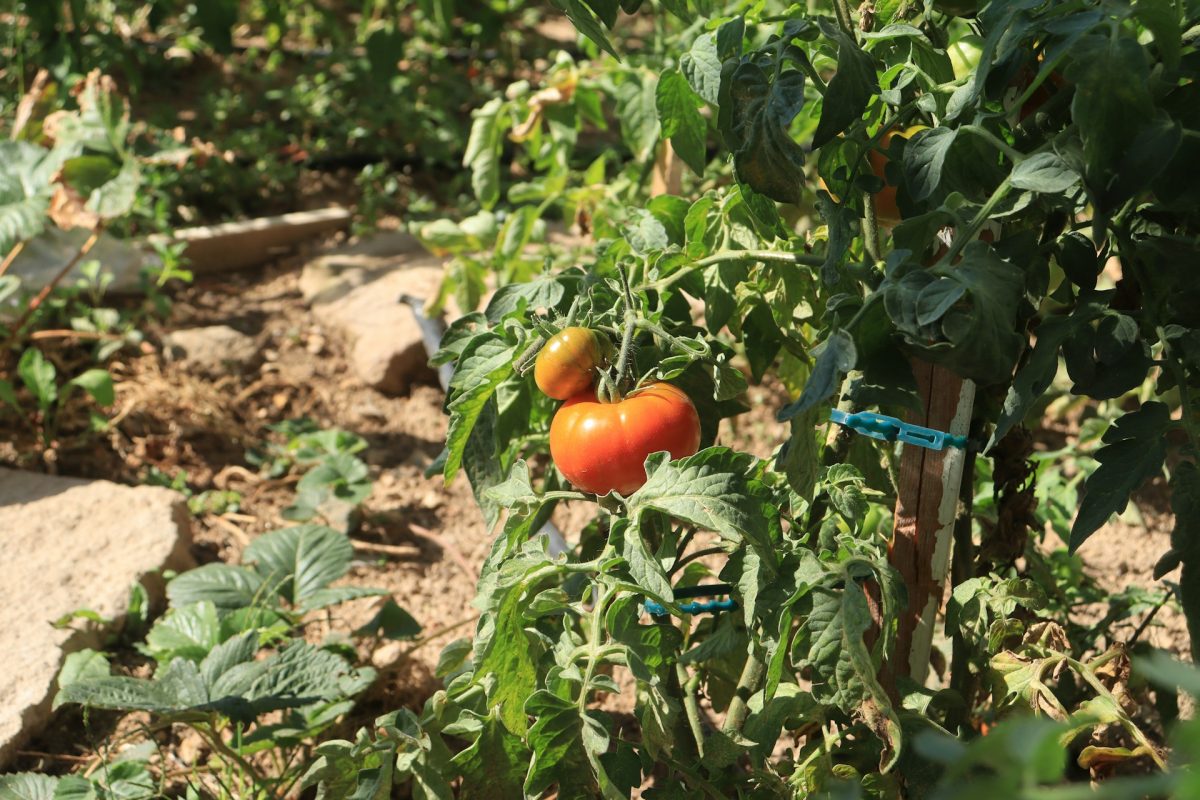
Why Black Nightshade Makes the Problem Worse
Black nightshade does more than just sit quietly with a virus inside it. It often grows vigorously in disturbed soil, exactly the kind of soil gardeners create when they till, plant, and amend beds. It can germinate quickly, produce berries packed with seeds, and spread across a yard in one growing season if no one pulls it out.
Because it grows so close to cultivated plants, it creates a bridge between wild spaces and carefully tended beds. Thrips do not respect property lines or raised bed borders. They feed where they find food, and if that food includes infected nightshade leaves, they can carry the virus straight to tomato plants only a few feet away.
Black nightshade also survives in off-seasons in some regions, which allows viruses to overwinter in living plant tissue. When spring arrives and gardeners transplant tomatoes, the virus already waits nearby. That head start gives the disease an advantage before gardeners even notice the first blossom.
How to Protect Your Tomato Plants
First and foremost, control black nightshade and other nightshade-family weeds around your garden. Pull them out by hand when the soil feels moist so you can remove as much of the root system as possible. Dispose of them in the trash rather than composting them, especially if you suspect disease, because compost piles do not always reach temperatures high enough to kill plant viruses.
Next, monitor for thrips. These insects measure only a few millimeters long, but you can spot their damage. Look for silvery streaks or speckling on leaves, distorted new growth, or flowers that drop prematurely. Sticky traps can help you gauge thrips activity, and fine insect netting can reduce their access to young plants during peak seasons.
Keep your garden tidy. Remove plant debris at the end of the season, rotate crops when you can, and avoid planting tomatoes in the exact same spot year after year. Healthy soil and strong plants handle stress better, and while they cannot fight off this virus once infected, they can better withstand other pressures that compound disease issues.
It’s Not Just One Weed, But This One Deserves Attention
Black nightshade does not stand alone as a potential host for Tomato Spotted Wilt Virus. Many ornamental plants and weeds can harbor it. However, black nightshade frequently grows in vegetable gardens and along their edges, which makes it especially relevant for anyone growing tomatoes.
Gardeners often focus on obvious pests like hornworms or fungal diseases that leave dramatic spots. Viral diseases demand a different mindset because they rely on vectors and hidden reservoirs. You cannot spray away a virus once it infects a plant. Prevention, vigilance, and sanitation form the only real defense.
That reality can feel frustrating, but it also empowers you. When you understand the chain—weed hosts the virus, thrips pick it up, thrips infect tomatoes—you can break that chain at multiple points. Remove the weed. Limit the insect. Choose resistant plants. Each step strengthens your garden’s defenses.
Real Safety for Tomato Growers
Tomatoes reward effort with flavor that grocery store shelves rarely match, but they demand attention in return. Black nightshade may look like just another wild plant at the edge of your yard, yet it can shelter a virus that ruins entire rows of tomatoes through the spread of Tomato Spotted Wilt Virus. When you let that weed linger, you give both the virus and thrips an easy foothold.
Walk your garden regularly and learn the plants that grow there, both the ones you planted and the ones you did not. Pull questionable nightshade weeds before they flower and set seed. Keep an eye out for early signs of thrips and choose resistant tomato varieties when available. Those proactive steps often make the difference between a disappointing harvest and a thriving one.
Now that you know which backyard weed can host a virus that kills tomato plants, what changes will you make in your garden this season? Give us all advice and insight you have in the comments section below.
You May Also Like…
5 Tips For Successfully Reviving 100 Year Old Tomato Seeds
The Pest That’s Wiping Out Backyard Tomatoes in Georgia — And How to Stop It Cheaply
7 Vegetables That Tolerate Cold Starts
This Unusual Vegetable Is Making a Comeback in Small Yards
The $5 Tool That’s Breaking and Ruining Raised Beds Across the South

Brandon Marcus is a staff writer for FrugalGardening.com at District Media, Inc., where he delivers practical gardening advice with a relatable, no-nonsense style. An avid amateur gardener, he holds a BA degree and with over ten years of professional writing experience, he is also an award-winning published author whose first book, Questions For Deep Thinkers, was released by Adams Media. His work has appeared in major publications including Fandom.com, CHUD.com, TheColdWire.com, and Fansided.com.
Leave a Reply