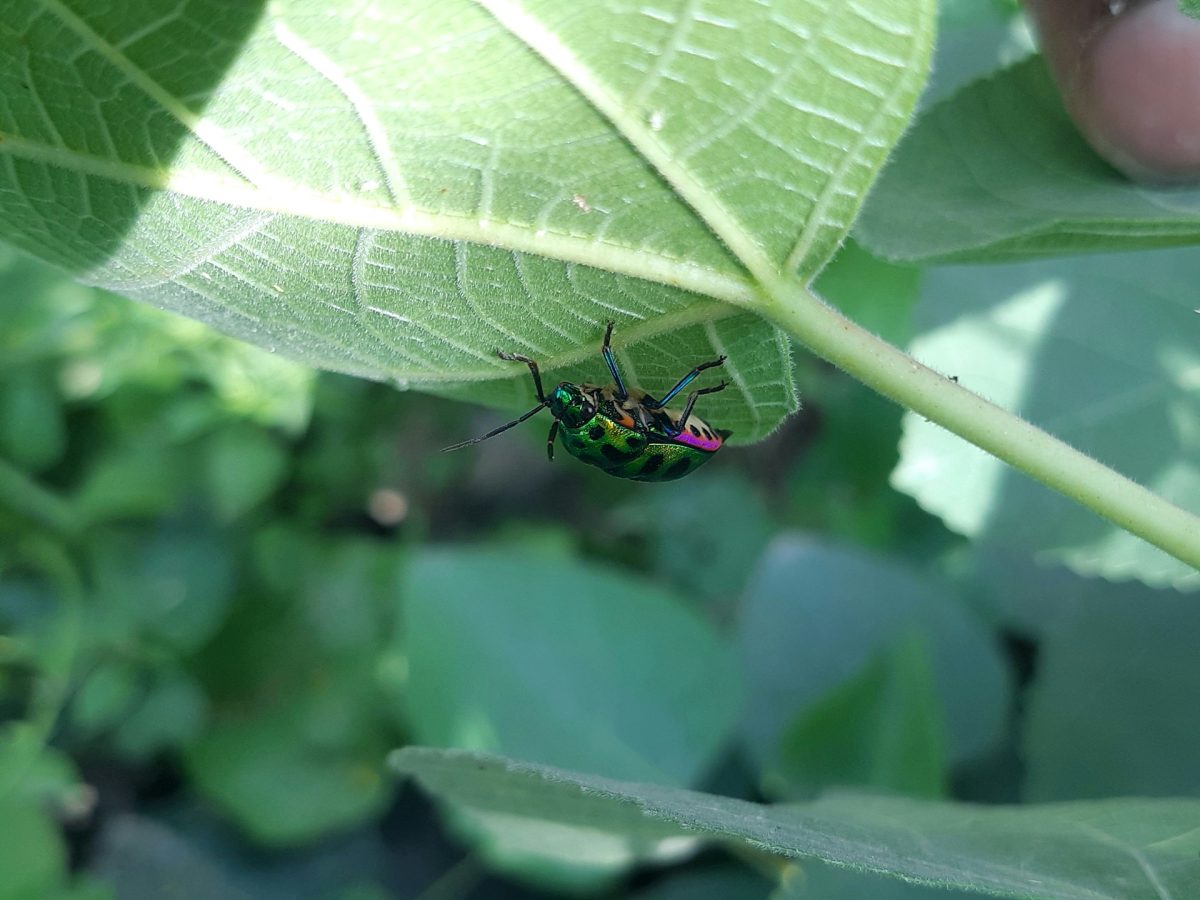
Gardening doesn’t have to feel like a battle against every creepy crawly that crosses your backyard. Imagine walking into a garden that not only looks vibrant but fights off pests on its own. Yes, it’s possible! Companion planting transforms your garden into a buzzing ecosystem where certain plants team up to protect each other, attract helpful insects, and even improve flavor. The best part? This isn’t just theory—scientists and experienced gardeners alike swear by it. From fragrant herbs to bright flowers, these plant partnerships work quietly but powerfully to keep pests at bay without harsh chemicals.
Picture your tomato plants flanked by marigolds, basil sprouting near peppers, or nasturtiums climbing happily alongside beans. Each combination plays a role in the garden’s natural defense strategy. These relationships go beyond aesthetics; they create harmony, confuse pests, and lure beneficial insects like ladybugs and parasitic wasps. Instead of spraying synthetic pesticides, your garden becomes a self-regulating little world, thriving on plant chemistry, aroma, and clever alliances.
Fragrant Fighters: Herbs That Keep Pests Guessing
Herbs are not just tasty—they’re tactical. Many herbs emit strong aromas that confuse insects and discourage them from settling in. Basil, for example, isn’t just the perfect pesto partner; it keeps aphids and whiteflies away from neighboring tomatoes and peppers. Meanwhile, rosemary, with its woody scent, deters cabbage moths, carrot flies, and bean beetles, giving vegetables a natural shield without ever spraying a drop of chemicals. Planting these herbs strategically throughout the garden can create invisible barriers that pests avoid instinctively.
Mint deserves a mention too, though gardeners should watch it like a hawk—it spreads aggressively if unchecked. Its pungent scent discourages ants and flea beetles, and planting it in containers can prevent it from taking over the entire garden. Lavender is another multi-tasker, attracting pollinators while keeping moths, fleas, and flies at a distance. Tarragon, sage, and thyme are equally helpful, adding flavor to meals and offense to your garden’s defense. Mixing these herbs into beds with vegetables or flowers creates a fragrant fortress, a living barrier that looks, smells, and tastes delightful. Strategic placement matters: intersperse tall, aromatic herbs around more vulnerable crops to maximize their protective power.
Flower Power: Beauties That Battle Bugs
Flowers aren’t just decoration—they’re allies in disguise. Marigolds earn their place as garden superheroes, producing compounds that repel nematodes, whiteflies, and Mexican bean beetles. Their bright, cheerful blooms also attract predatory insects like hoverflies and ladybugs, which happily snack on aphids. Calendula, sometimes called “pot marigold,” doubles as a pest deterrent while inviting pollinators, making it a perfect companion to carrots, tomatoes, and squash. These blooms bring color and function, proving that beautiful gardens don’t have to be helpless against pests.
Nasturtiums are another remarkable choice. Their peppery leaves and flowers act as sacrificial plants, luring aphids and whiteflies away from prized vegetables. Plus, they attract predatory insects like lacewings and predatory wasps, amplifying natural pest control. Sunflowers can serve as “trap crops,” attracting aphids away from more delicate vegetables. Even sweet alyssum contributes by drawing beneficial insects while filling gaps in the garden with ground-hugging blooms. By thoughtfully combining flowering plants with edibles, gardeners create layered defenses that reduce pest damage while supporting biodiversity.
Vegetable Sidekicks: Plant Partnerships That Work
Some vegetables thrive together because they actively protect one another. Tomatoes and carrots are a classic example: the carrots aerate the soil while tomatoes provide shade, and their scents confuse pests that might target one or the other. Beans and corn form a mutualistic duo: corn offers climbing support for bean vines, while beans enrich the soil with nitrogen, keeping the plants healthy and resilient. Onions and lettuce make a clever pair as well—onions’ pungent aroma repels pests that might otherwise enjoy a salad buffet.
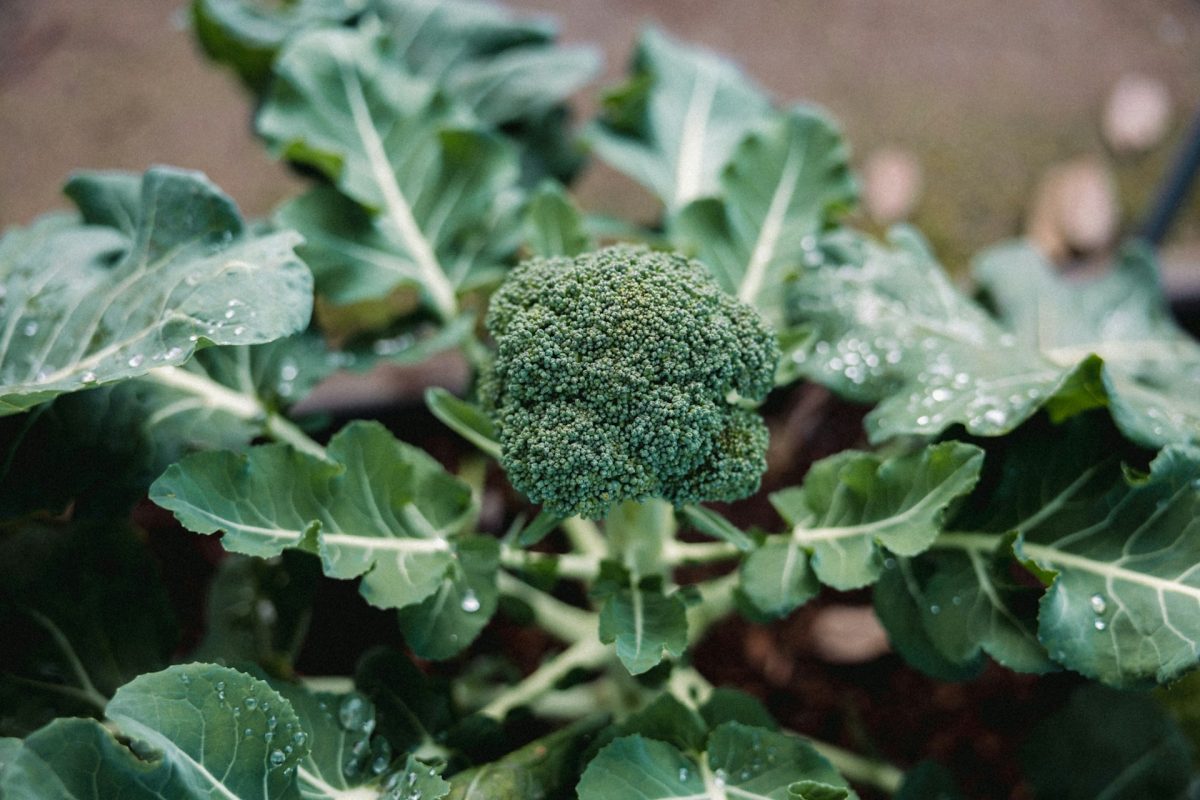
Cabbage family members, like kale, broccoli, and cauliflower, benefit from planting aromatic herbs or nasturtiums nearby. The odors mask the scent that cabbage worms, root maggots, and aphids use to find them. Beets and onions also create a subtle repellent effect for each other’s pests. Even tomatoes and marigolds together can significantly reduce root-knot nematodes, offering a natural alternative to chemical soil treatments. The secret lies in planning and observation: spacing, sun exposure, and timing all contribute to a healthy ecosystem that discourages pests before they even arrive.
Aromatic Allies: Scented Plants That Outsmart Insects
Plants have evolved incredible ways to communicate and protect themselves, often through smell. Garlic and chives emit sulfur compounds that repel aphids, Japanese beetles, and carrot flies. When tucked among roses or fruit trees, they form a pungent perimeter that pests avoid. Rue, with its strong, bitter scent, keeps beetles and leafhoppers at bay, and planting it around cucumbers or tomatoes enhances the garden’s natural defenses. These aromatic warriors are not just functional—they’re living perfume that protects without chemicals, a subtle layer of defense woven into the garden landscape.
Fennel and dill also play roles in pest management. While they attract predatory insects like ladybugs, lacewings, and parasitic wasps, they should be planted carefully to avoid overshadowing more delicate crops. Similarly, coriander (cilantro) and anise can confuse aphids and mites, acting as olfactory camouflage. These aromatic plants create an invisible battlefield where pests struggle to locate their favorite foods. Layering scents—herbs, flowers, and vegetables—produces a multi-dimensional defense that reduces pest damage while keeping the garden lively, fragrant, and visually appealing.
Planting With Purpose: Designing Your Pest-Proof Paradise
The ultimate trick is in the layout. Scatter fragrant herbs near vulnerable vegetables, border beds with marigolds and nasturtiums, and let flowering ground covers fill gaps. Companion planting isn’t just random—it’s strategic. Taller plants can shield delicate ones from direct sunlight while confusing pests with their aromas, and sacrificial plants can lure insects away from high-value crops. Observe how your garden responds each season and adjust placements to optimize protection.
Rotating crops annually enhances the effectiveness of companion plants. For instance, moving beans from one bed to another prevents soil-dwelling pests from establishing permanent colonies. Interplanting diverse crops and herbs ensures that no pest finds a monoculture buffet, keeping your garden dynamic and resilient. Incorporate pollinator-friendly flowers throughout to invite beneficial insects that naturally keep pests in check. This deliberate choreography turns your outdoor space into a thriving, self-regulating ecosystem, one where plants protect each other and productivity soars.
Nature’s Pest Control at Its Finest
Companion planting proves that gardens can thrive without a chemical arsenal. By strategically pairing herbs, vegetables, and flowers, gardeners harness nature’s own pest management system. Fragrant allies confuse insects, flowering plants attract predators, and thoughtful vegetable partnerships create mutual benefits above and below the soil. Gardens become colorful, aromatic, and productive spaces that engage all the senses.
What combinations would you try in your own backyard to encourage beneficial insects and repel pests naturally? Share your favorite pairings, successes, or even funny failures in the comments—gardening is always better when ideas grow together.
You May Also Like…
Which Plant Pairings Naturally Reduce Pests and Improve Yields
March Garden Pests That Hide Underground
March Garden Pests That Show Up Before You Notice the Damage
12 Of The Worst Garden Pests And How To Get Rid Of Them
This One Winter Gardening Habit Could Be Spreading Invasive Pests Across the South

Brandon Marcus is a staff writer for FrugalGardening.com at District Media, Inc., where he delivers practical gardening advice with a relatable, no-nonsense style. An avid amateur gardener, he holds a BA degree and with over ten years of professional writing experience, he is also an award-winning published author whose first book, Questions For Deep Thinkers, was released by Adams Media. His work has appeared in major publications including Fandom.com, CHUD.com, TheColdWire.com, and Fansided.com.
Leave a Reply