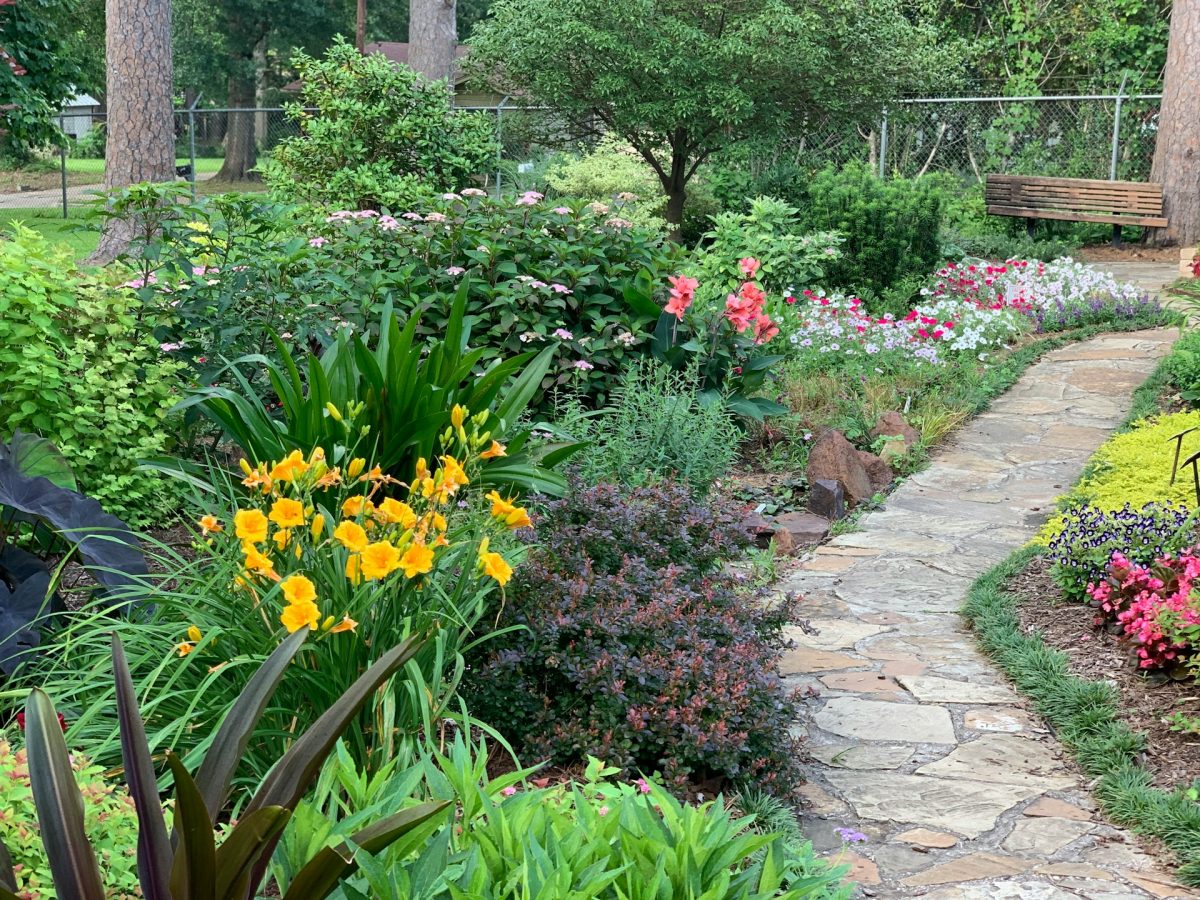
Gardens don’t just grow flowers—they grow memories, moments, and sometimes a muddy mess underfoot. Imagine stepping outside to harvest fresh herbs or sip morning coffee only to find your shoes sucked into a soggy patch of earth. Nobody wants to tiptoe across a swamp disguised as a backyard, so a functional garden path isn’t just a luxury—it’s a lifesaver for both sanity and style. Paths improve accessibility, guide visitors, and save plants from unintended trampling, but here’s the kicker: creating one doesn’t have to drain your wallet.
The magic lies in picking smart, inexpensive materials and clever designs that tackle two problems at once: access and drainage. A great path invites exploration and adds personality to a garden while stopping puddles from forming a mini lake in the tulip bed. The right surface can make heavy rain an afterthought, giving water a natural route away from walkways. With a little imagination, even a modest garden can transform into a labyrinth of charm and practicality.
1. Gravel: Crystals of Simplicity
Gravel might sound basic, but it’s a classic for a reason. Loose stones create a surface that water slips through instead of pooling, keeping your feet dry and your garden beds intact. Beyond practicality, gravel adds a casual, rustic charm, especially when paired with edging made of recycled bricks or timber. It’s easy to spread, cheap to maintain, and if you ever want to change your garden layout, you can scoop it up and move it without hassle.
Pick a size that suits your style—smaller pea gravel creates a smoother walking surface, while larger stones bring a bold, textured look. Mixing colors can make a path pop with visual interest, almost like walking through a jewel-toned river. For extra flair, line the sides with plants that spill over slightly, softening the hard edges and giving the path a welcoming, natural feel. Gravel paths work beautifully on slight slopes, too, because the stones naturally shift, preventing water from sitting in one place. Regularly raking the gravel keeps it looking tidy and encourages water to flow freely to your drainage zones.
2. Stepping Stones: Classic, Charming, and Customizable
Nothing says “garden adventure” like a well-placed trail of stepping stones. These can be purchased cheaply or scavenged from reclaimed materials, giving each garden a unique personality. The beauty of stepping stones lies in their versatility: you can place them closer together for practical walking or space them out to encourage a leisurely, meandering stroll. Materials like flagstone, concrete slabs, or even old tiles work well, and gaps between stones allow grass, moss, or creeping thyme to grow, boosting drainage naturally.
The irregularity of stones actually helps manage water flow. Rain doesn’t sit on a flat surface; it trickles into the gaps and into the soil below, preventing puddles and mud. For a budget-friendly option, concrete molds allow DIY creation of custom shapes and patterns, which adds a personal touch. Even arranging stones in creative shapes like spirals or waves can turn a simple path into a statement. Surrounding the stones with mulch or small gravel keeps them stable and makes cleaning easy, while low-growing plants between stones add fragrance and softness underfoot.
3. Mulch Paths: Soft, Sustainable, and Surprisingly Durable
Mulch isn’t just for garden beds—it makes a great, cost-effective path that’s soft on feet and eyes alike. Organic materials like bark chips, pine needles, or shredded leaves can create a natural-looking path that complements any garden style. Mulch helps water seep into the ground instead of running off, supporting soil health and preventing erosion along the walkway. It’s also lightweight, so spreading it is a breeze, and topping it up each season keeps the path fresh and inviting.
While mulch paths can shift under heavy foot traffic, adding a base of crushed stone or sand underneath can make them much more stable. Edge the path with timber or stones to keep the mulch contained, giving it a polished look. The softness of mulch makes it a perfect choice for areas where kids or pets roam, reducing the risk of slipping while still guiding them along a clear route. Mulch paths blend seamlessly into garden beds, allowing flowers, shrubs, and groundcovers to frame the walkway naturally. Regular replenishment keeps it vibrant and functional, and the fragrant smell of fresh bark can even make rainy days feel cozy and inviting.
4. Brick and Paver Paths: Classic Looks Without the Cost
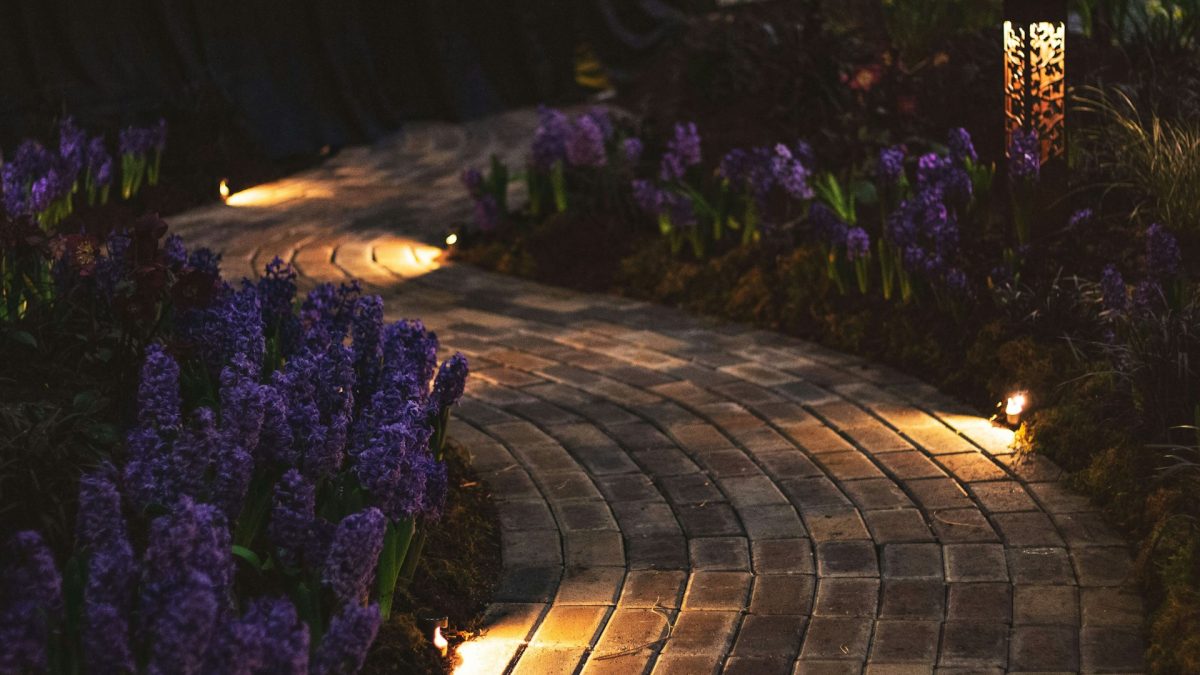
Bricks and pavers have a timeless appeal, and they don’t have to cost a fortune. Used or reclaimed bricks from construction sites or auctions provide a charming, weathered look without draining the budget. Lay them in simple patterns like herringbone, basket weave, or straight lines for a visually appealing walkway that also channels water between gaps. Mortar isn’t mandatory—filling spaces with sand, gravel, or moss allows water to flow freely and keeps the bricks in place naturally.
Bricks and pavers are incredibly durable, standing up to foot traffic, kids, and pets for years. The interlocking surfaces also provide traction, reducing slips after rain. Combine them with groundcovers like creeping thyme or Irish moss to soften hard edges, add fragrance, and help with drainage. Paths don’t have to be perfectly straight; slight curves add character and guide visitors through the garden like a gentle story unfolding underfoot. With a little creativity, even a narrow alleyway between garden beds can become a highlight of your outdoor space.
5. Crushed Stone and Sand Mix: Simple, Stylish, and Super Functional
For those who crave a balance between gravel and solid surfaces, a crushed stone and sand mix hits the sweet spot. The stones offer stability, while the sand fills gaps, creating a smooth surface that’s easy to walk on. Water drains effortlessly through this combination, and it can be shaped into curves or geometric patterns without any heavy lifting. This method is ideal for DIY enthusiasts who want a professional look without professional costs.
Edges can be reinforced with timber, stone, or recycled materials to keep the path neat and prevent the mix from spreading. It’s a flexible option that works in gardens of all sizes, from tiny urban plots to sprawling backyards. Maintenance involves occasional raking and topping off with extra stone or sand, making it a low-effort solution with big visual payoff. This path style blends beautifully with natural surroundings, giving a clean, contemporary feel while remaining incredibly practical.
Paths That Invite Adventure, Not Mud
A garden path isn’t just about walking—it’s about shaping an experience. Whether it’s the sparkle of gravel, the whimsy of stepping stones, the softness of mulch, the classic charm of bricks, or the sleek practicality of crushed stone and sand, each path adds personality, function, and a splash of magic to a garden. The best part? Every option is affordable, manageable, and gives water a proper exit route, keeping your garden—and your shoes—happy.
Which of these ideas sparks your imagination the most? Have a favorite material or design trick that keeps your garden paths both stylish and mud-free? Share your stories, tips, or even mishaps in the comments below.
You May Also Like…
8 Winter Garden Paving & Path Ideas for Snowy Landscapes
6 Budget-Friendly Organic Fertilizer Options That Actually Work
7 Simple Soil Tests You Can Do at Home Without Special Tools
The Hidden Risks of Improper Pruning That Reduce Summer Harvests
4 Composting Tricks That Work Better Than Store-Bought Bags

Brandon Marcus is a staff writer for FrugalGardening.com at District Media, Inc., where he delivers practical gardening advice with a relatable, no-nonsense style. An avid amateur gardener, he holds a BA degree and with over ten years of professional writing experience, he is also an award-winning published author whose first book, Questions For Deep Thinkers, was released by Adams Media. His work has appeared in major publications including Fandom.com, CHUD.com, TheColdWire.com, and Fansided.com.
Leave a Reply