The garden does not need chemicals to win the battle against pests. It needs strategy, a little creativity, and the right lineup of plants that know exactly how to hold their ground. Nature already built an entire defense system, and it works better than most store-bought sprays when used correctly. The trick lies in understanding which plants pull their weight and how they fit together like teammates on a mission.
This approach does more than just chase away unwanted bugs. It builds a living, breathing ecosystem that protects itself while looking beautiful and producing food. Bright flowers attract beneficial insects, strong-smelling herbs confuse invaders, and certain plants act like decoys to keep trouble away from prized crops. The result feels less like gardening and more like orchestrating a clever, green army that handles the hard work quietly and effectively.
The Power Players: Plants That Bugs Can’t Stand
Some plants walk into a garden and immediately set boundaries, and pests take the hint fast. Marigolds lead the charge with their bold color and even bolder scent, which drives away nematodes and other soil-dwelling troublemakers. Gardeners often plant them along borders or tuck them between vegetables because they create a kind of invisible fence. Basil also earns a spot on this list, especially near tomatoes, where it helps repel flies and mosquitoes while enhancing flavor in the kitchen. Lavender steps in with a double benefit, offering calming fragrance for humans while pushing away moths, fleas, and flies that prefer to keep their distance.
Mint brings strong energy into the mix, and pests hate that intensity. Ants, aphids, and even rodents tend to avoid areas where mint grows, although it spreads quickly and demands its own container to stay in check. Rosemary offers a woody scent that deters cabbage moths and carrot flies, making it a smart companion for vegetable patches. Chrysanthemums contain natural compounds called pyrethrins, which many commercial insecticides actually use, yet the plant delivers that power straight from the soil. These plants do not just survive in the garden; they actively defend it, creating a layered shield that reduces pest problems before they even begin.
Companion Planting: The Ultimate Garden Team Strategy
Companion planting turns a simple garden into a carefully planned network of allies. Certain plants protect each other by masking scents, attracting helpful insects, or acting as bait to distract pests from more valuable crops. Tomatoes and basil form one of the most famous partnerships, working together to reduce pests while boosting flavor. Carrots and onions also team up effectively, with onions repelling carrot flies and carrots returning the favor by confusing onion flies. This kind of pairing does not happen by accident; it reflects centuries of observation and practical gardening wisdom.
Nasturtiums deserve special attention because they act as sacrificial plants, drawing aphids and other pests away from vegetables. Gardeners often plant them near cucumbers, squash, or beans to create a distraction that keeps main crops safe. Calendula attracts pollinators and beneficial insects that prey on harmful bugs, adding another layer of defense while brightening the space. Dill and fennel bring in predatory insects like ladybugs and lacewings, which feast on aphids and keep populations under control. This strategy transforms the garden into a balanced ecosystem where pests never get the upper hand because something always keeps them in check.
Herbs That Pack a Punch (and a Scent)
Herbs do far more than flavor meals; they shape the environment in ways pests simply cannot tolerate. Strong scents confuse insects that rely on smell to locate food, effectively hiding vulnerable plants in plain sight. Thyme works especially well in this role, deterring cabbage worms while thriving in small spaces. Sage steps in with its earthy aroma, discouraging beetles and carrot flies while adding depth to culinary dishes. These herbs thrive with minimal fuss, making them perfect for gardeners who want results without constant maintenance.
Chives also deserve recognition because they repel aphids and Japanese beetles while producing edible blooms that look surprisingly decorative. Lemongrass contains citronella, a natural mosquito repellent that turns the garden into a more comfortable place to spend time. Oregano spreads easily and acts as ground cover while keeping pests at bay, offering both protection and flavor in one tidy package. These herbs bring personality and purpose to every corner of the garden, proving that practical choices can still feel vibrant and exciting. They do not just sit quietly in the soil; they actively shape the space around them.
Flowers That Fight Back While Looking Fabulous
Flowers do not just exist for looks; many of them play a crucial role in pest control while turning the garden into a colorful masterpiece. Petunias repel aphids, tomato hornworms, and even squash bugs, making them an excellent addition near vegetables. Sunflowers attract beneficial insects and birds that feed on pests, creating a natural cycle that keeps populations balanced. Zinnias draw in pollinators and predatory insects alike, adding both beauty and function to the garden without requiring complicated care.
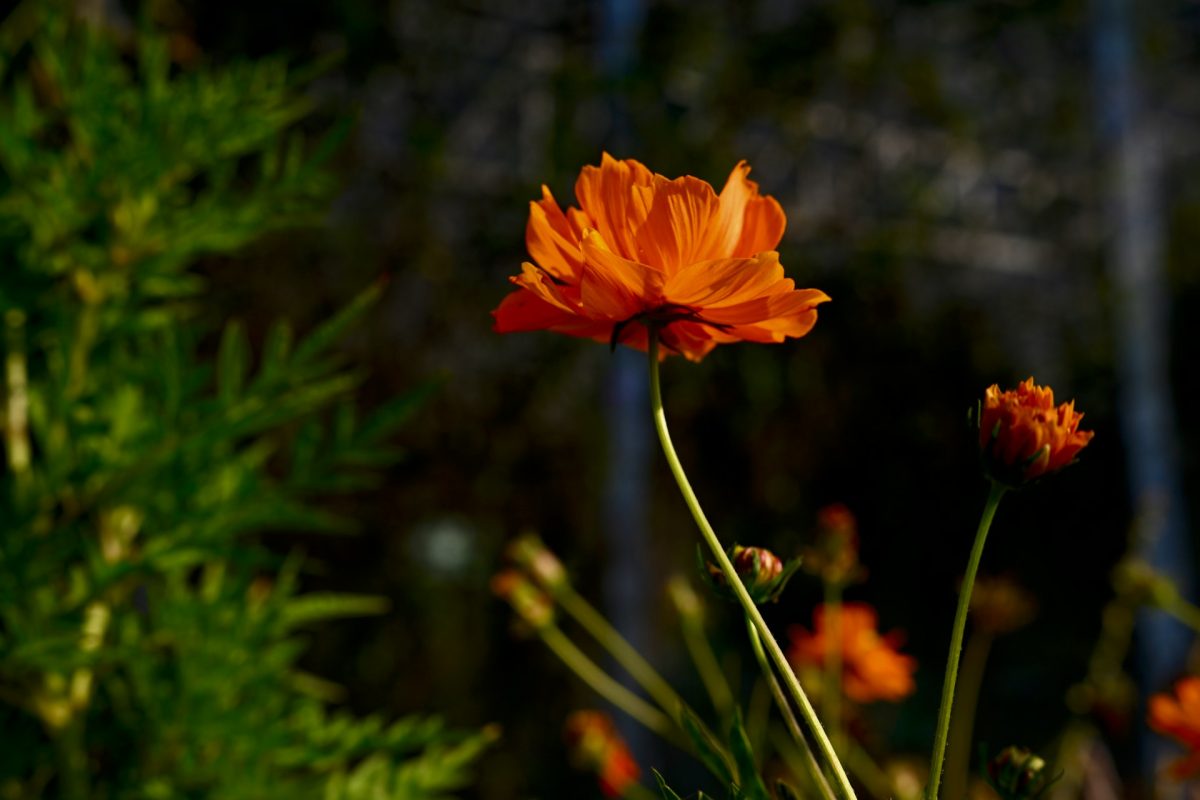
Cosmos offer a lighter, airy look while attracting lacewings and hoverflies, both of which help control aphids. Borage stands out with star-shaped flowers that bring in bees and deter tomato hornworms, making it a favorite among vegetable gardeners. Alyssum acts as a magnet for beneficial insects that hunt pests, all while forming a soft, fragrant ground cover. These flowers turn pest control into something visually stunning, proving that a garden can look incredible while working hard behind the scenes. The right combination creates a space that feels alive, balanced, and constantly in motion.
Trap Crops: The Decoy Strategy That Actually Works
Trap crops flip the script by giving pests exactly what they want—just not where it matters most. Gardeners plant these decoys to lure insects away from valuable plants, creating a controlled distraction that limits damage. Nasturtiums often serve this role for aphids, pulling them away from vegetables and keeping infestations manageable. Mustard greens attract flea beetles, giving them a target that spares other crops from harm. This strategy requires a bit of planning, but it delivers impressive results when executed properly.
Blue Hubbard squash works as a trap crop for squash bugs, drawing them away from more delicate varieties. Gardeners place it at the edge of the garden to create a clear target that pests cannot resist. Once pests gather on the trap crop, gardeners can remove or manage them without affecting the rest of the garden. This method reduces the need for sprays and keeps the ecosystem intact, allowing beneficial insects to continue their work. Trap crops add another layer of strategy that makes pest control feel intentional rather than reactive.
The Natural Defense Blueprint
A garden thrives when every plant serves a purpose, and pest control becomes effortless when the right pieces fall into place. Mixing herbs, flowers, and vegetables creates a system that supports itself without relying on chemicals. Strong scents confuse pests, bright blooms attract helpful insects, and smart pairings reduce vulnerability across the board. This approach does not demand perfection; it rewards thoughtful choices and a willingness to experiment with combinations that suit the space.
What combinations have worked best, or which plants deserve a spot in the next planting plan? Share thoughts, ideas, or even unexpected successes in the comments—there is always another clever strategy waiting to grow.
You May Also Like…
The Best Companion Plants for Natural Pest Control
Are You Poisoning Your Garden? 6 Organic Pest Control Methods That Work
How to Grow Fresh Herbs on a Windowsill Without Buying Garden Soil
The Cheapest Way to Build a Compost Bin
March Garden Pests That Show Up Before You Notice the Damage

Brandon Marcus is a staff writer for FrugalGardening.com at District Media, Inc., where he delivers practical gardening advice with a relatable, no-nonsense style. An avid amateur gardener, he holds a BA degree and with over ten years of professional writing experience, he is also an award-winning published author whose first book, Questions For Deep Thinkers, was released by Adams Media. His work has appeared in major publications including Fandom.com, CHUD.com, TheColdWire.com, and Fansided.com.
Leave a Reply