• Skip to primary navigation
  • Skip to main content
  • Skip to primary sidebar

Frugal Gardening

Simple ways to save money while you garden

  • About
  • Contact Us
  • Garden Frugally
  • Buy These
  • Our Editorial Commitment
  • Navigation Menu: Social Icons

    • Facebook
    • Pinterest
    • Twitter

7 Insects Experts Warn Can Hitchhike Into Your House From the Garden

August 12, 2025 by Teri Monroe Leave a Comment

garden insects that can hitchhike into your home
Image Source: Pexels

Your garden may be your happy place, but it can also be a launchpad for pests looking for a cozier home. Experts warn that several insects are surprisingly good at sneaking indoors, often by riding in on plants, produce, firewood, or even your clothing. Once inside, they can damage belongings, spread disease, or set up long-term infestations. Here are seven of the most common hitchhikers to watch for. Plus, we’ll share how to keep them outside where they belong.

1. Ants

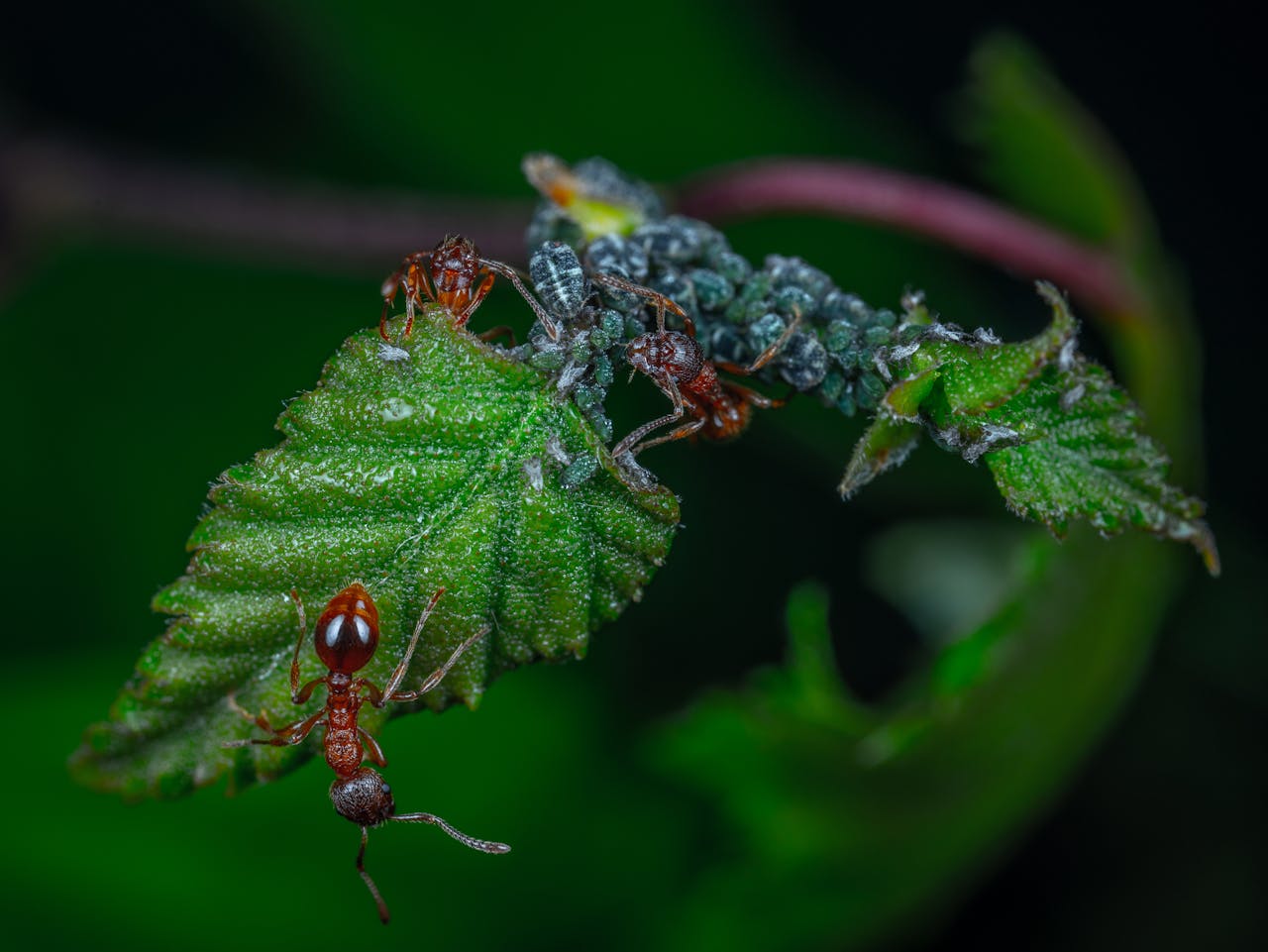
Ants may seem harmless outdoors, but once they find a way in, they can quickly set up a colony in walls, under floors, or near kitchens. They often hitch a ride inside on potted plants, garden tools, or produce baskets. Prevent their entry by inspecting pots, shaking off tools, and sealing cracks along windows and foundations. If they do enter your home, you may need to set up traps.

2. Spiders

While most garden spiders aren’t dangerous, they’re not exactly welcome houseguests. They may crawl inside via firewood, plant clippings, or garden storage containers. Keep them out by storing firewood away from the house and checking it before bringing it in. If spiders become a problem, you may want to consider spraying to create a barrier around your home.

3. Aphids

Aphids love to cling to plants and can easily come indoors when you bring in cut flowers or potted greenery. Once inside, they can spread to your houseplants. Inspect stems and leaves for clusters of tiny green, white, or black bugs, and rinse plants before bringing them in. A strong jet of water or soap spray will easily get them off leaves.

4. Stink Bugs

These shield-shaped pests seek warmth in cooler months and can cling to vegetables, patio furniture, or even clothing. Their smell can be overwhelming when crushed, so prevention is key. Check outdoor items before carrying them inside and seal gaps around windows and doors. To get rid of them without the smell, trap them in soapy water.

5. Earwigs

Known for their pincers, earwigs like damp environments and can easily hide in garden mulch, flowerpots, and vegetables. They often come inside tucked in between leaves or inside produce boxes. Shake out plants and inspect produce before storage. You also want to avoid overwatering your garden. As far as a solution, try to roll up damp newspaper, secured with a rubber band, and leave it in the garden overnight. In the morning, toss the paper and the bugs inside into a bucket of soapy water.

6. Beetles

Japanese beetles and other plant-eating beetles can ride in on garden harvests or outdoor furniture cushions. Once inside, they may target houseplants or pantry goods. Look for chew marks on leaves or small round droppings before moving items indoors. If you have a lot of garden beetles, neem oil is safe for most plants, which disrupts their feeding and reproduction.

7. Mosquitoes

Mosquitoes don’t need an invitation. They’ll fly right in through an open door or hitch a ride on you after gardening. They can breed indoors in even small amounts of standing water. Wear repellent while gardening and empty indoor plant saucers regularly.

Protect Your Home from Harmful Insects

A quick inspection before carrying plants, tools, or outdoor goods inside can save you from a full-blown pest problem. Think of it as a security checkpoint for bugs. Your home’s comfort depends on it.

Read More

10 Garden Chemicals That Are Still Sold—But Banned Overseas

6 Times a Backyard Project Ended in a Legal Dispute

Photograph of Teri Monroe
Teri Monroe

Teri Monroe started her career in communications working for local government and nonprofits. Today, she is a freelance finance and lifestyle writer and small business owner. In her spare time, she loves golfing with her husband, taking her dog Milo on long walks, and playing pickleball with friends.

Filed Under: garden tips Tagged With: garden pests, gardening advice, insects, protect your home from insects

Previous Post: « 10 Garden Chemicals That Are Still Sold—But Banned Overseas
Next Post: 5 Things Growing in Your Yard That Could Get You Sued »

Reader Interactions

Leave a Reply Cancel reply

Your email address will not be published. Required fields are marked *

Primary Sidebar

Struggling to get your garden off the ground? Put those days behind you with our special starter kit – perfect for thrifty green thumbs everywhere. Get growing and add a splash of color today!

Popular Posts

  • usda free seeds websiteHow To Get Free Seeds From The Government by Amanda Blankenship Seeds might seem like a small expense, but any seasoned…
  • Enviro Ice On PlantsShould I Use Enviro Ice On My Plants? by Kathryn Vercillo Every week, I receive food from Hungryroot. It's a great…
  • is shredded paper good for the gardenFrom Trash to Treasure: Transform Shredded Paper Into Garden Gold by Amanda Blankenship Should you use shredded paper as garden mulch? It might…
  • Enviro IceWhat Happens to Plants If You Use Enviro Ice on Them? by Amanda Blankenship About a year ago, I wrote our first article about…
6 Ways to Protect Ripening Fruit From Sudden Splitting

6 Ways to Protect Ripening Fruit From Sudden Splitting

Nothing frustrates a gardener quite like spotting beautiful fruit one evening, then walking outside after a rainstorm to find it covered in ugly cracks. Tomatoes split down the sides, cherries burst open, and plums suddenly wear deep scars that invite insects and disease. A harvest that looked picture-perfect can change overnight. Fruit rarely splits for…

Read More

Why Do Some Garden Beds Stay Wet Long After a Storm?

Why Do Some Garden Beds Stay Wet Long After a Storm?

Rain should leave a garden refreshed, not looking like it belongs in a marsh. Yet some garden beds stay soggy for days after a storm while others drain beautifully within hours, and that difference often points to problems hiding beneath the surface. A waterlogged bed does more than create muddy shoes. It can suffocate roots,…

Read More

Are Old-Fashioned Flowers Making a Comeback in Modern Gardens?

Are Old-Fashioned Flowers Making a Comeback in Modern Gardens?

Old-fashioned flowers have stepped back into the spotlight, and today’s gardens look better because of it. Gardeners now hunt for fragrant blooms, rich colors, and timeless favorites that filled family gardens decades ago instead of chasing every flashy new hybrid that appears on store shelves. That shift makes perfect sense. Many classic flowers offer beautiful…

Read More

What Is the Best Use for Tomato Suckers You Remove?

What Is the Best Use for Tomato Suckers You Remove?

Tomato suckers often look like little troublemakers stealing energy from the main plant, but those tiny shoots can become valuable garden helpers. Instead of tossing them into the compost pile, gardeners can turn many tomato suckers into new plants, extra harvests, or nutrient-rich compost. The next time a tomato plant sprouts a sucker between a…

Read More

  • About
  • Contact Us
  • Garden Frugally
  • Buy These
  • Our Editorial Commitment
  • Navigation Menu: Social Icons

    • Facebook
    • Pinterest
    • Twitter
  • Facebook
  • Pinterest
  • Twitter

Copyright © 2026 · Foodie Pro & The Genesis Framework