Gardening promises fresh food, vibrant flowers, and a satisfying way to spend time outdoors—but costs can spiral quickly without a smart plan. Seeds, soil, water, and maintenance all add up, and some plants demand far more resources than they return. A tight budget requires strategy, not sacrifice, and the right plant choices can stretch every dollar further.
Certain popular plants look appealing at the garden center, yet quietly drain money through constant care, replacement, or disappointing yields. Smart gardeners focus on value, reliability, and long-term payoff, especially when practicing budget gardening.
1. Large Lawn Areas That Eat Up Water and Time
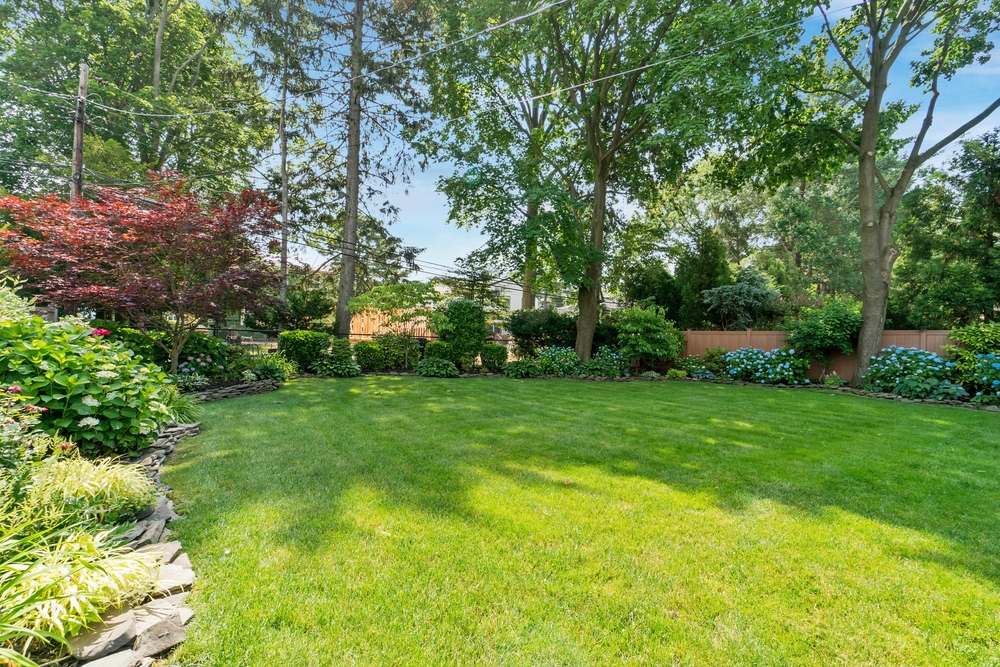
A sprawling lawn might look like the ultimate backyard goal, but it quickly becomes a financial drain for anyone focused on budget gardening. Grass demands constant watering, especially in dry regions, and that water bill rises fast during hot months. Maintenance tools like mowers, fertilizers, and weed treatments add even more recurring costs that never really stop. Many homeowners underestimate how often lawns need care, leading to unexpected expenses that pile up week after week.
Replacing even part of a lawn with drought-tolerant plants or ground cover cuts costs dramatically while still creating a polished look. Native plants thrive with less water and require fewer chemical inputs, making them a smart swap for anyone watching their spending. Mulch and gravel landscaping also reduce maintenance while adding texture and style. Budget-conscious gardeners often find that less grass means more money saved without sacrificing curb appeal. Strategic choices turn outdoor spaces into both beautiful and affordable environments.
2. Exotic Plants That Demand Special Treatment
Exotic or tropical plants tempt gardeners with bold colors and unique shapes, but they often require conditions that cost serious money to maintain. Many need specific soil mixes, controlled humidity, or greenhouse environments that drive up both setup and ongoing expenses. Temperature-sensitive plants can fail quickly without careful monitoring, leading to repeated replacements that strain a tight budget. These plants rarely adapt well to local conditions, which creates a cycle of constant intervention and spending.
Choosing plants suited to the local climate keeps costs predictable and manageable in any budget gardening plan. Hardy varieties grow naturally with fewer inputs and show stronger resistance to pests and diseases. Gardeners who stick with regionally appropriate options often enjoy better results without constant troubleshooting. Local nurseries usually offer plants that already thrive in the area, making them a safer investment. A garden filled with adaptable plants saves both time and money over the long run.
3. High-Maintenance Vegetables With Low Yield
Some vegetables sound appealing but deliver disappointing returns compared to the effort and expense involved. Crops like cauliflower or celery demand precise watering, nutrient-rich soil, and close monitoring, yet they often produce limited harvests. A failed crop means wasted money on seeds, fertilizers, and time spent nurturing plants that never pay off. For anyone focused on budget gardening, low-yield vegetables create more frustration than value.
High-yield crops like tomatoes, zucchini, and herbs offer a much better return on investment. These plants grow vigorously in many conditions and produce abundant harvests throughout the season. A single zucchini plant, for example, can supply weeks of produce, making it far more cost-effective than fussier options. Gardeners who prioritize productivity stretch their grocery savings significantly. Smart planting choices ensure every square foot of soil works harder for the budget.
4. Annual Flowers That Need Replanting Every Year
Annual flowers deliver bright, instant color, but they require replanting every single season. That means buying new plants or seeds year after year, which quickly adds up for anyone trying to maintain a budget gardening approach. Many annuals also need regular feeding and watering to keep their blooms looking vibrant, increasing both effort and cost. The short lifespan limits their overall value compared to longer-lasting alternatives.
Perennials offer a much smarter investment since they return year after year without repeated spending. Once established, they require less maintenance and provide consistent beauty across multiple seasons. Options like lavender, coneflowers, and daylilies deliver color while supporting pollinators and local ecosystems. Gardeners who shift toward perennials reduce both workload and annual costs. Over time, a perennial-focused garden becomes more self-sustaining and financially efficient.
5. Oversized Trees for Small Spaces
Large trees can transform a landscape, but they often bring hidden expenses that clash with budget gardening goals. Roots can damage foundations, sidewalks, and plumbing, leading to costly repairs that outweigh any visual benefits. Maintenance like pruning or professional removal adds another layer of long-term expense. Many homeowners plant trees without considering their mature size, which creates problems years down the line.
Smaller, well-placed trees provide shade and beauty without overwhelming the space or budget. Dwarf varieties and slow-growing species offer better control and require less maintenance over time. Proper planning ensures that trees enhance the yard instead of becoming a financial burden. Gardeners who think ahead avoid costly mistakes while still enjoying the benefits of greenery. A thoughtful approach keeps landscapes both attractive and affordable.
Spend Less and Still Love Your Garden
A thriving garden doesn’t depend on spending big—it depends on making smart, informed choices that align with long-term goals. Avoiding costly plants and focusing on practical, high-value options transforms any outdoor space into a budget-friendly success story. Budget gardening thrives on efficiency, creativity, and a willingness to skip trends that don’t deliver real value. Every plant choice shapes both the look of the garden and the health of the wallet. The best gardens balance beauty, productivity, and sustainability without unnecessary expense.
What plants have turned out to be a waste of money in your garden, and which ones delivered the best value?
You May Also Like…
Beat the Summer Heat: The Budget Way to Shade Your Plants for Free
The Fall Preview: Why Smart Budgeters Start Buying for Next Year Today
Why “Ugly” Plants are Actually a Budget Gardener’s Best Friend
The Calorie King: Why Potatoes are the Highest ROI Crop for Budget Growers
7 Budget Seed Storage Tips That Preserve Germination

Brandon Marcus is a staff writer for FrugalGardening.com at District Media, Inc., where he delivers practical gardening advice with a relatable, no-nonsense style. An avid amateur gardener, he holds a BA degree and with over ten years of professional writing experience, he is also an award-winning published author whose first book, Questions For Deep Thinkers, was released by Adams Media. His work has appeared in major publications including Fandom.com, CHUD.com, TheColdWire.com, and Fansided.com.
Leave a Reply