
Winter lawns can feel like a mystery. One day, your grass looks like a lush carpet from a summer postcard, and the next, it seems lifeless, flattened under frost. But don’t panic—your January grass may be quietly thriving, even if it’s hiding under a blanket of winter gloom.
Knowing how to read the subtle signs of a healthy lawn this month can save you from unnecessary fussing and help you plan a spectacular spring comeback.
Recognize The Color Clues Of Winter Grass
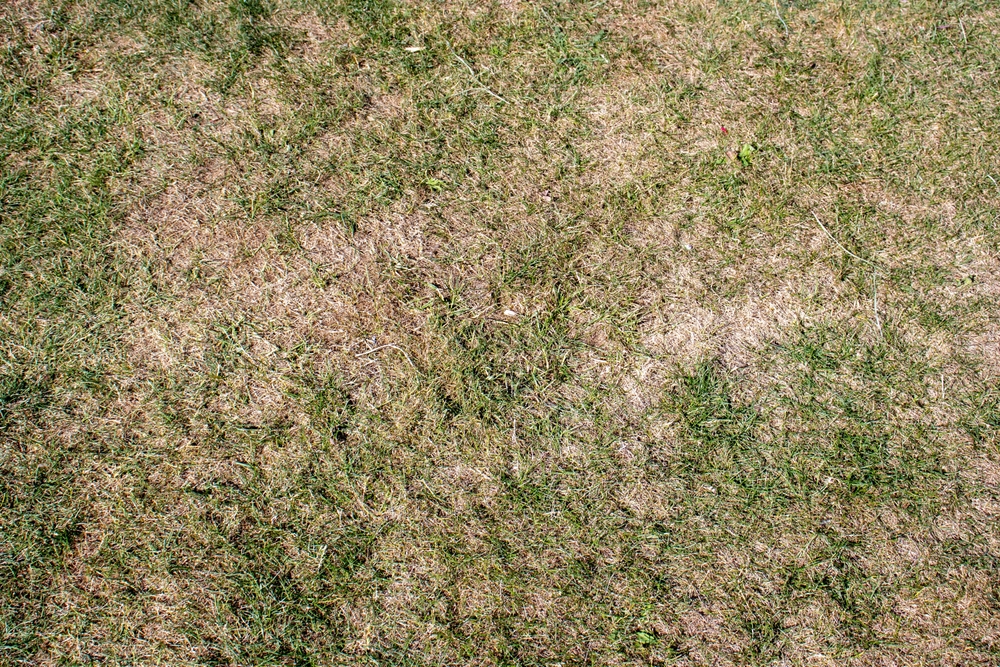
Even in January, color is king when judging lawn health. Healthy winter grass usually has a muted green or bluish tint, while yellow, brown, or gray patches can signal stress. Keep in mind that some types of grass naturally go dormant in cold months, so slight color changes aren’t automatically catastrophic. Touch the blades; they should feel firm and resilient, not brittle or mushy. Observing your grass’s hue can save you from unnecessary watering or fertilizing that might harm it.
Check For Growth Patterns And Density
Grass might not be growing vigorously in January, but its density tells a story. A healthy lawn will have consistent coverage, with minimal gaps or bare spots. Thin patches could indicate soil compaction, pests, or a lack of nutrients. Run your fingers through the blades—resilient roots often push the grass back upright after a light tug. Dense growth, even if slow, is a sign that your grass is storing energy for a vigorous spring surge.
Inspect The Soil Moisture Carefully
Moisture is crucial for winter lawn survival. Use your fingers or a small trowel to probe the soil about two inches down; it should feel slightly damp, not soggy or dry. Overly wet soil can cause root rot, while dry soil stresses the grass and slows nutrient uptake. January rains or snow may mask soil dryness, so check beneath the surface. Healthy soil moisture ensures that your lawn’s roots remain active even when the top growth seems still.
Look For Signs Of Pests Or Disease
Even cold weather doesn’t completely protect grass from threats. Small brown patches, unusual spots on blades, or fuzzy growth can hint at fungal diseases or insect activity. Some pests, like winter grubs, can burrow just below the surface and feed on roots. Spotting problems early allows for targeted treatments without harming healthy sections of your lawn. Regular inspections, even in winter, prevent minor issues from becoming major headaches in spring.
Assess Root Health And Flexibility
Roots are the lifeline of any lawn, and their condition is critical in January. Gently lift a small section of grass to check the roots—they should be white or light tan and firm. Dark, mushy, or brittle roots indicate stress from overwatering, freezing, or disease. Healthy roots store carbohydrates and nutrients that fuel spring growth, even when the blades above ground appear dormant. Paying attention to root vitality ensures your lawn bounces back beautifully once temperatures rise.
Monitor For Snow And Frost Damage
Frost and snow can be both friend and foe for winter grass. A light frost often strengthens the grass by hardening the blades, while heavy, prolonged snow can smother and rot sensitive patches. Avoid walking on frosted or snow-covered areas as the pressure can crush dormant blades. If you notice flattened grass after a storm, gently brush it upright—avoid aggressive raking. Watching how your lawn handles winter elements gives clues about its resilience and overall health.
Evaluate Nutrient Needs And Winter Fertilization
Even in dormancy, grass benefits from occasional nutrient attention. Winter fertilizers rich in potassium can strengthen roots and improve stress tolerance. Avoid heavy nitrogen applications, which encourage fragile top growth that may be damaged by cold. If you notice slow growth and paleness, a light, winter-specific feeding may help. Nutrient assessment ensures your lawn is ready to explode back into life when spring arrives.
Examine Overall Lawn Texture And Resilience
The feel of your lawn underfoot reveals much about its condition. Healthy winter grass feels soft yet springy, while unhealthy grass is brittle or mushy. Walking barefoot or gently pressing down with your hand can help you sense resilience and density. Texture combined with color, growth, and root condition paints a full picture of lawn health. Observing how it reacts to touch can prevent overwatering, overfeeding, or other winter mistakes.
Plan For Spring While Watching January
January is a perfect month for observation and preparation, not frantic work. Use what you learn from color, density, roots, and soil moisture to plan early spring aeration, fertilization, and overseeding. Healthy winter grass responds faster to spring care, giving you a jump start on a lush, thick lawn. Keeping records or photos helps track trends year after year. Strategic planning now means less work and more reward when temperatures warm.
Tell Us About Your January Lawn
Your grass may be resting, but it’s still communicating. Take the time this month to observe and understand its signs, and your spring lawn will thank you with vibrant, resilient growth.
What clues have you noticed about your grass this January? Any quirky winter lawn behaviors that surprised you? We’d love to hear your stories and tips from fellow lawn enthusiasts in the comments section below.
You May Also Like…
The Creeping Weed That Spreads Faster Than Crabgrass
Why January Garden Planning Saves More Money Than Any Other Month
8 Ornamental Grasses That Peak in Fall
9 Surprising Reasons You’re Seeing More Dead Patches of Grass
Simple Steps to Keep Your Grass Green All Year

Brandon Marcus is a staff writer for FrugalGardening.com at District Media, Inc., where he delivers practical gardening advice with a relatable, no-nonsense style. An avid amateur gardener, he holds a BA degree and with over ten years of professional writing experience, he is also an award-winning published author whose first book, Questions For Deep Thinkers, was released by Adams Media. His work has appeared in major publications including Fandom.com, CHUD.com, TheColdWire.com, and Fansided.com.
Leave a Reply