
If you think gardening is only for spring, think again. The smartest gardeners know that planning months in advance is what separates a chaotic, underwhelming garden from a lush, thriving paradise. Taking the time now to plan next year’s garden isn’t just about seeds and soil—it’s about setting yourself up for stress-free planting, higher yields, and more enjoyment when the growing season arrives. Your future self will thank you when the beds are full, the blooms are vibrant, and every plant seems to know exactly where it belongs.
The secret is simple: the more thought and preparation you put in now, the easier and more rewarding gardening will be later.
Start With A Vision For Your Garden
Before touching a trowel, you need a clear picture of what you want your garden to look like. Are you after rows of crisp vegetables, a riot of colorful flowers, or a combination of both? Sketching a simple layout can save you headaches later when plants start competing for sunlight and space. Think about pathways, companion planting, and where you want shade versus sun-loving plants. Having a vision gives your garden structure and purpose, turning it from a random assortment of plants into a coordinated, flourishing ecosystem.
Assess Your Soil And Space
The best garden plans start with understanding the soil and available space. Different plants thrive in different soil types, so knowing whether your garden is sandy, clay-heavy, or loamy can guide your choices. Testing pH levels and adding amendments early gives you time to correct problems before planting day. Measuring your garden’s dimensions ensures you don’t overcrowd plants or leave wasted areas. Paying attention to these details now makes your future garden easier to maintain and more productive.
Choose Plants with Purpose
Selecting plants isn’t just about picking what looks pretty or tastes good—it’s about purpose and compatibility. Consider bloom times to ensure flowers appear throughout the season or choose vegetables with staggered harvests to keep your kitchen stocked. Think about companion planting to naturally repel pests and maximize growth. Also, reflect on your climate and how hardy your plants need to be to survive late frosts or scorching summers. Choosing plants with intention now prevents frustration later when some crops fail or bloom schedules clash.
Plan For Succession and Rotation
Smart gardeners know that one planting season doesn’t mean one harvest. Planning for succession planting ensures you get multiple rounds of crops from the same plot. Rotating plant families prevents soil depletion and reduces disease risk. Mapping out when and where each plant will go next year helps you maximize yield and maintain soil health. Your future self will thank you when the beds keep producing and the garden looks fresh all season long.
Prepare Your Tools and Supplies
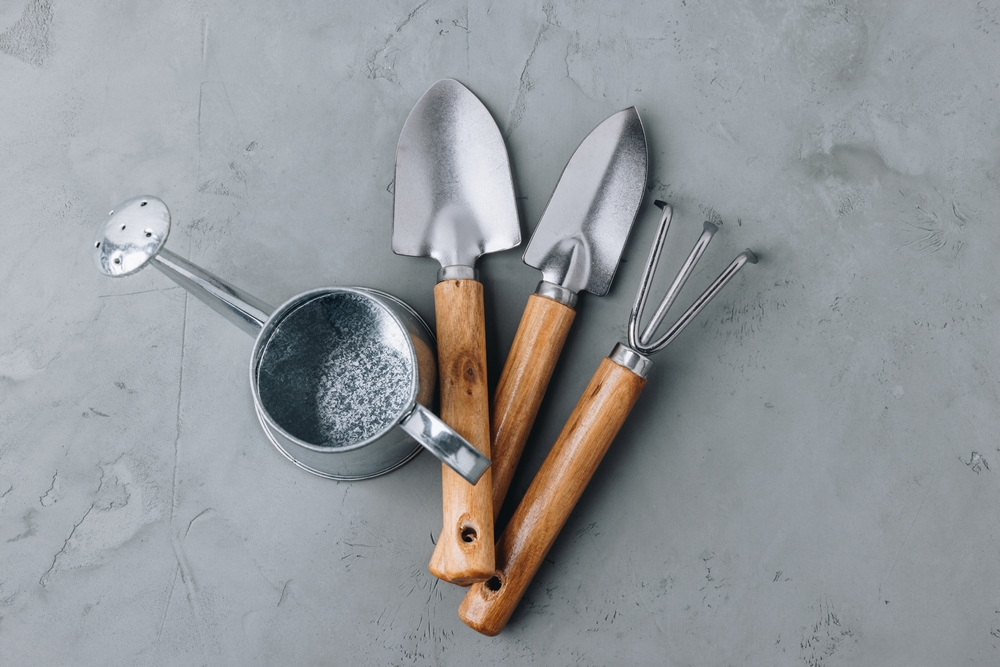
A well-prepared gardener is a happy gardener, and having the right tools ready now is half the battle. Make an inventory of what you have, what needs sharpening, and what’s missing. Stock up on fertilizers, mulch, pots, and seed-starting supplies so you’re not scrambling in spring. Labeling containers and organizing storage spaces saves time and frustration. Being ready means that when the growing season starts, you can dive straight into planting without delay.
Set Up A Seed Starting Schedule
Starting seeds indoors can give you a significant head start on the season. Knowing which plants need early germination and which can go directly into the garden allows for better timing. Create a calendar that lists when to start each type of seed so nothing is overlooked. Consider light, temperature, and space for seedlings to thrive indoors. A structured seed-starting plan ensures your garden begins the season with strong, healthy plants rather than slow, struggling seedlings.
Plan For Watering and Maintenance
A beautiful garden can’t thrive without consistent care, and planning your watering and maintenance schedule now pays dividends later. Determine whether you need irrigation systems, soaker hoses, or hand-watering strategies. Schedule pruning, fertilizing, and weeding so they don’t pile up and overwhelm you. Anticipate problem areas where pests or diseases are likely to appear. Thinking through these details ahead of time keeps the garden healthy, productive, and stress-free.
Anticipate Challenges and Contingencies
No garden grows perfectly without surprises, so it’s wise to think about potential problems. Consider what might happen if there’s a drought, unexpected frost, or pest invasion. Have backup seeds or alternative planting options in mind. Thinking about contingencies now makes you feel prepared instead of panicked when obstacles appear. Your future self will appreciate having a proactive plan rather than reacting to problems in the heat of the season.
Enjoy The Planning Process
Planning next year’s garden isn’t just practical—it can be fun and inspiring. Browsing catalogs, choosing colors, imagining your harvest, and mapping out layouts taps into creativity. Envisioning your ideal garden can provide motivation to actually carry out the plan. Invite friends or family to help with ideas or sketches, turning it into a shared activity. The excitement you build now carries over into the season, making gardening feel less like work and more like a passion project.
Plant Planning Today Pays Off Tomorrow
Taking the time to plan next year’s garden now is an investment in ease, productivity, and enjoyment. From mapping layouts and selecting plants to preparing soil and tools, every decision you make today sets you up for success. Gardens thrive on thoughtful preparation, and your future self will look back with gratitude at the time you spent dreaming, planning, and organizing.
Have you already started plotting your next garden, or do you have tips for planning ahead? Share your experiences, ideas, or questions in the comments section below.
You May Also Like…
10 Common Garden Plants That Are Actually Invasive Species
Bare-Root Planting: The November Gardening Move No One Talks About
How to Redesign Your Bulb Garden After This Year’s Mistakes
Garden Designs I Want to Learn More About
How to Save Dahlias and Cannas Before Frost Turns Them to Mush

Brandon Marcus is a staff writer for FrugalGardening.com at District Media, Inc., where he delivers practical gardening advice with a relatable, no-nonsense style. An avid amateur gardener, he holds a BA degree and with over ten years of professional writing experience, he is also an award-winning published author whose first book, Questions For Deep Thinkers, was released by Adams Media. His work has appeared in major publications including Fandom.com, CHUD.com, TheColdWire.com, and Fansided.com.
Leave a Reply