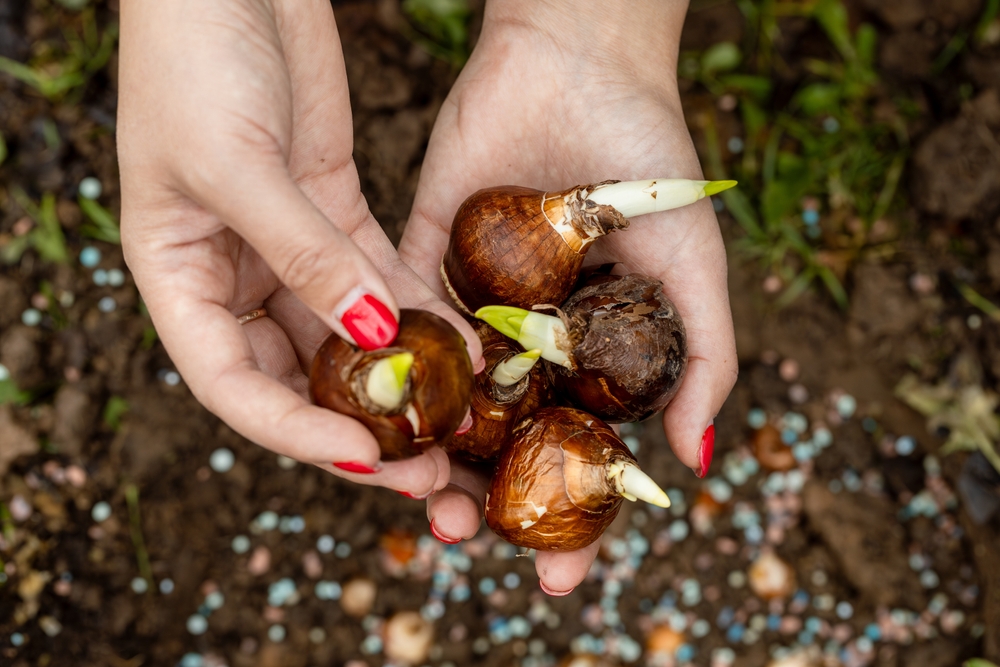
So, this year’s bulb garden didn’t exactly turn out like the Pinterest board, did it? Maybe the tulips bloomed two weeks too early, the daffodils looked like they’d seen better days, or your crocuses came up in weird, random patches that made the yard look like a botanical accident. You probably had high hopes in spring, but by summer, your garden was giving “chaotic energy” instead of “cottagecore masterpiece.”
Don’t worry—you’re not alone. Every gardener, from newbie to master grower, has a season of bulb mistakes that becomes the blueprint for something far better next year.
Step One: Admit What Went Wrong
Before you can redesign your bulb garden, you’ve got to face your floral flops head-on. Did you crowd too many bulbs together, hoping for an explosion of color? Or maybe you planted everything in perfect lines that ended up looking more like a vegetable plot than a dreamscape. Whatever the issue, identifying it now will help you avoid the same pitfalls later. Remember, a failed bloom is just feedback from nature—it’s not a judgment. The trick is to learn what your bulbs were trying to tell you and adjust accordingly.
Step Two: Rethink Your Layout
One of the biggest bulb-garden mistakes is sticking with last year’s layout just because it “sort of worked.” This time, imagine your garden like a painting—you want depth, variety, and a little movement. Start by considering the height of each plant: taller blooms like alliums or lilies should anchor the back or center, while shorter ones like crocuses and grape hyacinths add charm along the edges. Think of your garden in layers, not rows. A staggered, natural look feels effortless and creates a flow that changes with every angle.
Step Three: Choose Colors That Actually Get Along
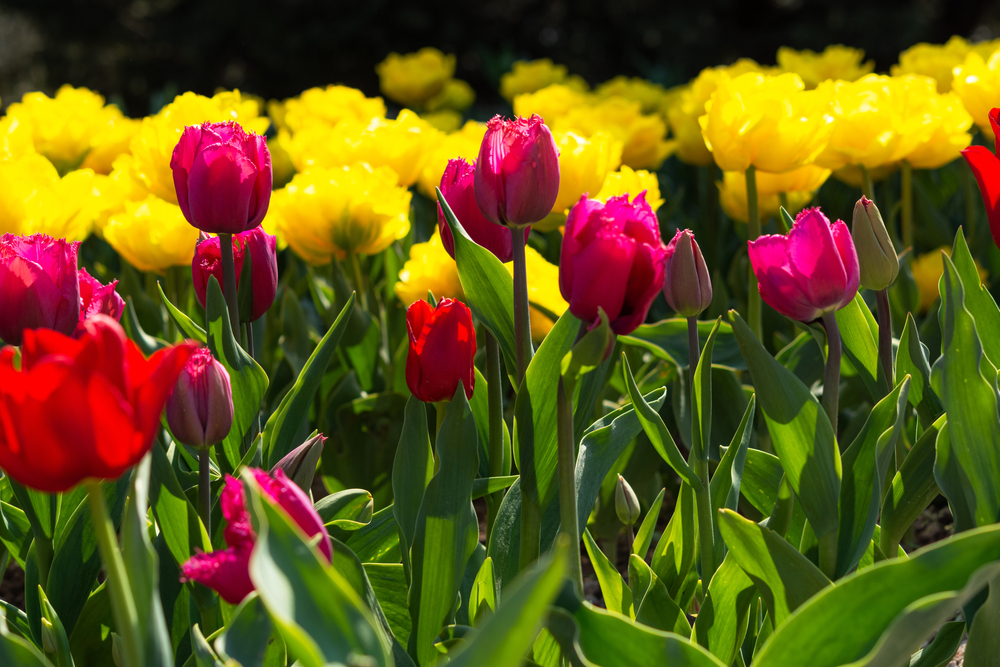
Color is where many bulb gardens go off the rails. You might have thought red tulips and purple hyacinths would make a bold statement, but instead, it looked like a floral traffic jam. This year, plan a more harmonious palette. Stick with complementary shades or soft gradients—like creamy yellows fading into coral or pale pinks blending into lavender. When in doubt, pick one color family and let texture and height do the rest of the talking.
Step Four: Pay Attention to Bloom Timing
Here’s where even seasoned gardeners stumble. Bulbs bloom in waves, not all at once, and if you don’t plan for that, you end up with awkward gaps or dead zones. When redesigning your garden, stagger your selections so you always have something fresh to admire. Early bloomers like snowdrops can set the stage for mid-spring daffodils, which then lead to late tulips or irises. The result? A garden that evolves through the season instead of peaking for two dazzling weeks and then going silent.
Step Five: Make Room for the Unexpected
Perfectly planned gardens can feel sterile if there’s no spontaneity. This time around, leave space for surprises—wildflower borders, spontaneous reseeding, or that one random bulb you forgot to label. Sometimes the most beautiful arrangements come from a little chaos. My favorite garden moments always happen when something unplanned finds its way between two “official” plantings and steals the show. Letting go of total control gives your bulb garden life and personality.
Step Six: Fix the Soil (Your Flowers Will Thank You)
No matter how beautiful your redesign looks on paper, bad soil will sabotage everything. After a full year of blooms, the soil might be compacted, nutrient-depleted, or too dry. Before replanting, give it some love—turn it over, add compost, and check drainage. Bulbs thrive in well-aerated soil with just the right balance of moisture and grit. Consider it like hitting “refresh” on your flowerbed before the next big show.
Step Seven: Mix Perennials and Bulbs for Better Texture
If your garden looked sparse between blooms this year, it’s probably because you relied solely on bulbs. Next year, layer in some perennials for structure and staying power. Think about ornamental grasses, hostas, or hardy ground covers that can fill the gaps once the bulbs fade. The mix adds depth and keeps your garden looking lush instead of patchy. Plus, it takes pressure off your bulbs to carry the aesthetic all season long.
Step Eight: Elevate the Edges
Most gardeners focus on the middle of the bed, forgetting that the edges make the first impression. This year, upgrade the borders. Use low-growing bulbs like crocuses or muscari to create a soft, colorful frame. Or go with decorative edging stones that complement your blooms without stealing attention. A clean, intentional border ties the whole design together—it’s like giving your garden a polished finish.
Step Nine: Create a Focal Point
Every redesigned garden needs a “wow” moment—a spot that pulls the eye and makes the whole space feel cohesive. It doesn’t have to be fancy; a cluster of dramatic alliums, a vintage garden ornament, or a winding stone path can all serve as your anchor. Without a focal point, your garden can look scattered, no matter how pretty each section is. Choose one area to highlight and design everything else to complement it. The result is balance and flow that even a casual passerby will notice.
Step Ten: Take Notes for Next Season
The smartest gardeners are part botanist, part journalist. This time, don’t just admire your blooms—document them. Keep track of what worked, what flopped, and what surprised you. Snap photos throughout the season so you can remember bloom patterns and spacing. By the time next fall rolls around, you’ll have a blueprint that helps you build on your success rather than starting from scratch again.
Step Eleven: Think About Pollinators and Practicality
Your garden isn’t just for you—it’s for the bees, butterflies, and other tiny visitors who make the ecosystem thrive. Choose bulbs that attract pollinators, and avoid heavy pesticide use that could harm them. You’ll notice your garden becomes more vibrant and alive when it supports local wildlife. Plus, pollinator-friendly blooms often come with delightful scents and longer bloom times. A practical redesign can still be stunning—it just happens to help the planet too.
Step Twelve: Embrace Imperfection
This might be the most important step of all. The charm of a garden isn’t in its symmetry—it’s in its personality. A bulb that grows a little crooked or blooms later than expected is part of the story. You’re not designing a museum exhibit; you’re crafting a living, evolving piece of art. Embracing imperfection makes your garden not just beautiful, but deeply yours.
Every Garden Mistake Is a Future Masterpiece
If this year’s bulb garden felt more “lesson learned” than “success story,” congratulations—you’re exactly where you should be. Great gardeners aren’t the ones who get everything right the first time; they’re the ones who keep digging, learning, and laughing along the way. Redesigning your bulb garden after a few hiccups is part of the creative process, not a punishment. So grab your gloves, get your hands dirty, and plan for the kind of garden that tells your story—roots, mistakes, and all.
Have you had a bulb garden blooper that turned into a win? Share your thoughts, stories, or design ideas with all of us.
You May Also Like…
- 12 Bulbs to Pre-Chill Before Planting
- Why Some Bulbs Fail if Planted Too Late in Fall
- 6 Bulbs to Plant Now for a Spring Surprise
- 7 Garden Tasks to Protect Bees in Autumn
- Why Raised Beds Hold Heat Longer in Fall

Brandon Marcus is a staff writer for FrugalGardening.com at District Media, Inc., where he delivers practical gardening advice with a relatable, no-nonsense style. An avid amateur gardener, he holds a BA degree and with over ten years of professional writing experience, he is also an award-winning published author whose first book, Questions For Deep Thinkers, was released by Adams Media. His work has appeared in major publications including Fandom.com, CHUD.com, TheColdWire.com, and Fansided.com.
Leave a Reply