I enjoy exploring different approaches to garden design. There are so many styles that evoke so many different feelings when you’re amidst them. Although I know a little bit about a few styles, there are many others I hope to learn more about in the weeks, months, and years to come.
3 Garden Designs I’ve Shared With You
I’ve already shared some details about a few different types of garden designs here on this site. Take a look:
Greek Garden Design
Discover the essence of Greek garden design: stone features, Mediterranean trees and herbs, terracotta accents, and vibrant colors. Embrace rustic finds, symmetrical layouts, and recycled materials to capture the essence of Greek gardens while staying within your budget.
English Garden Design
Zen Gardens
Zen gardens are characterized by their serene and minimalist design, fostering a tranquil environment through carefully arranged elements. You can use many natural elements to create them on a budget.
Garden Designs I Want to Learn More About
I like learning about historic garden design as well as contemporary design from around the world. Here are some of the different garden types that I would like to learn more about:
Mughal Gardens
The Mughal Gardens are historic gardens found in South Asia. They are designed to provide a little bit of paradise on Earth. Features include:
- Symmetrical Layout: They are typically divided into four quadrants or charbagh. These quadrants are typically organized around a central water feature or pool.
- Water Features: In addition to the central pool, Mughal gardens include elaborate water channels, fountains, and reflecting pools.
- Terraced Levels: Gardens are sometimes terraced to follow the natural contours of the land, creating a sense of depth and grandeur.
- Ornate Pavilions and Pavement: Mughal gardens often feature pavilions or pavilions adorned with intricate carvings, marble inlays, and decorative elements.
- Lush Vegetation: Gardens are lush with a variety of flora, including fragrant flowers, fruit-bearing trees, and symmetrical rows of cypress or other trees. These plants provide shade, fragrance, and aesthetic appeal.
- Intricate Tilework: Decorative tilework is a prominent feature in Mughal gardens, adorning walls, pathways, and fountains with colorful mosaic designs and intricate patterns.
Italian Renaissance Gardens
Europe has brought us many different types of gardens throughout time. Italian Renaissance gardens emphasize grandeur, elegance, and human-made beauty. They incorporate extensive use of classical statuary, fountains, terraces, and formal plantings, displaying meticulous symmetry and refined aesthetics. The incorporation of art into nature in these gardens is one thing that really appeals to me.
Additional features include:
- Geometry: These gardens are known for their geometric precision. They often follow precise axes, with pathways, hedges, and flowerbeds arranged in symmetrical patterns, creating a sense of order and balance.
- Formal Design Elements: Italian Renaissance gardens incorporate formal design elements such as perfectly manicured hedges, geometrically shaped flowerbeds (parterres), and precisely aligned paths or walkways.
- Water Features: Water is used to create soothing sounds, provide visual interest, and symbolize purity and life.
- Ornate Architectural Elements: Gardens often include ornate pavilions, sculptures, statues, and architectural structures like pergolas or gazebos.
- Sculpted Plantings: Plants are often pruned and shaped meticulously to maintain a controlled and uniform appearance. This includes topiaries, shaped shrubs, and espaliered trees against walls, showcasing a refined and sculptural aspect.
French Formal Gardens
French formal gardens and Italian Renaissance gardens share similarities. For example, they both emphasize geometric layouts and formal design. They both embrace a sense of grandeur and meticulous planning. Moreover, they both incorporate ornate architectural elements within their designs.
However, they differ in their nuances: French formal gardens lean toward highly structured and manicured geometric precision, employing elaborate parterres, meticulously sculpted hedges, and axial pathways to create grand vistas. In contrast, Italian Renaissance gardens also embrace symmetry and geometric precision but often incorporate terraces, water features like fountains and reflecting pools, and a deeper integration of art, architecture, and natural landscapes, aiming to evoke a sense of classical harmony and humanistic ideals.
While both styles exude elegance and sophistication through formal design principles, Italian Renaissance gardens often encompass a broader integration of natural and architectural elements, while French formal gardens exhibit meticulous and controlled geometrical aesthetics with precise axial arrangements. I’d like to gain even more insight into the differences between these two garden types.
California Modern & Minimalist Gardens
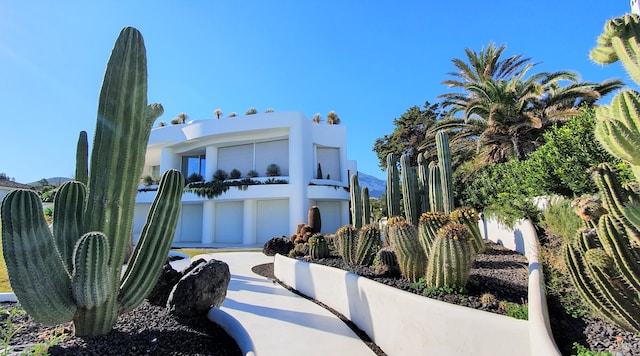
California modern and minimalist gardens fuse contemporary design principles with the state’s outdoor lifestyle. These gardens prioritize clean lines, simplicity, and functionality while embracing the natural beauty of the Californian landscape. Key elements include:
- Clean Design Aesthetics: Characterized by minimalism, these gardens focus on simplicity in layout and plant selection. They incorporate geometric shapes, straight lines, and open spaces to create a sense of order and tranquility.
- Hardscaping Elements: Materials like concrete, metal, wood, and glass dominate the design, forming pathways, decks, seating areas, and retaining walls. These elements often showcase craftsmanship and emphasize functionality while maintaining an elegant appearance.
- Native and Drought-Tolerant Plants: To align with California’s climate and conserve water, plant choices typically include native species or drought-resistant plants such as succulents, agaves, grasses, and other low-maintenance flora. These plants provide texture and color while requiring minimal water.
- Emphasis on Outdoor Living: California modern gardens often blur the line between indoor and outdoor spaces, creating seamless transitions. They feature outdoor kitchens, lounge areas, fire pits, and built-in seating, encouraging outdoor living and entertainment.
- Sustainable Features: Sustainable practices are integral. Gardens may incorporate environmentally friendly elements such as permeable paving, rainwater harvesting systems, and efficient irrigation techniques to conserve water and reduce environmental impact.
- Integration of Art and Sculpture: Sculptural elements, art installations, and strategically placed focal points enhance the garden’s visual appeal, adding artistic flair and creating points of interest within the minimalist landscape.
- Maintenance and Functionality: These gardens prioritize functionality and ease of maintenance. Plantings are often strategically placed to reduce upkeep, and the overall design aims for simplicity and practicality in its upkeep.
What’s your favorite garden design? Share in the comments!

Kathryn Vercillo is a long time writer, crafter and author of several books. A resident of San Francisco, she is committed to helping others explore, articulate and share their own individuals stories. When she’s not evaluating investing opportunities Kathryn is an avid knitter, researcher, and blogger.
Leave a Reply