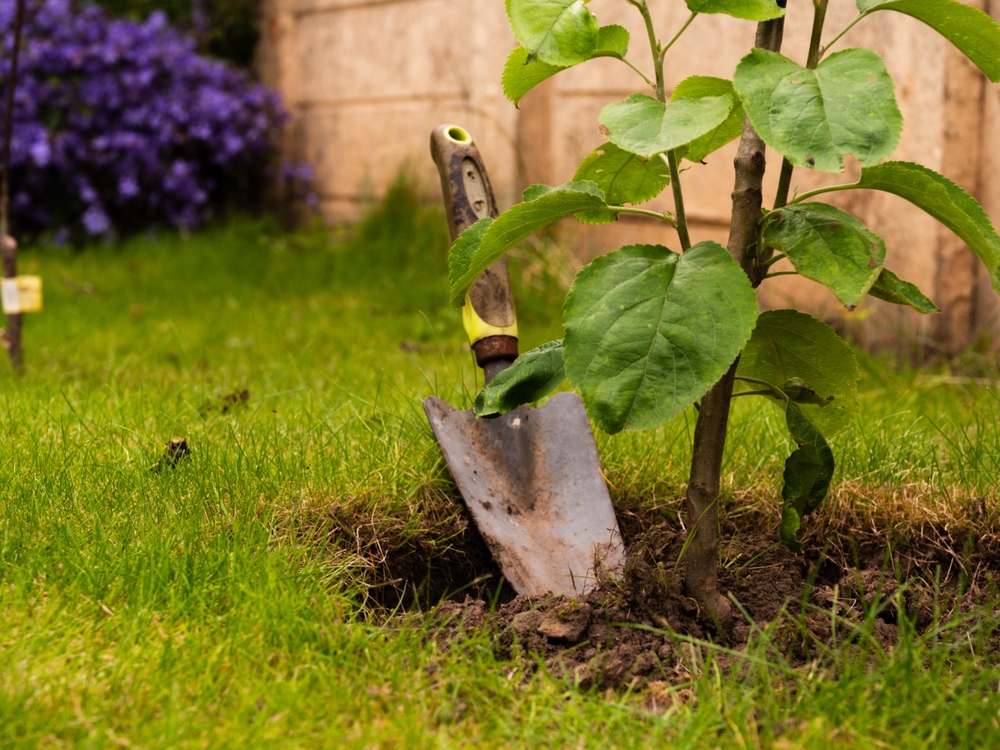
November may feel like the month when gardens go quiet, leaves tumble down, and outdoor projects get shelved until spring. But savvy gardeners know that November is secretly one of the best times to make a move that will transform your garden next year: bare-root planting.
While most people focus on mulching, raking, or hiding tools away, bare-root planting is quietly working behind the scenes to give your plants a head start. It’s efficient, economical, and honestly kind of thrilling once you see how quickly roots take hold. If you’ve never considered planting without soil around the roots, this might just become your favorite fall gardening ritual.
Why Bare-Root Planting Works Best in November
The genius of bare-root planting lies in timing, and November is perfect. Soil is still workable in many climates, but plants are entering dormancy, which means they’re less stressed and ready to focus on root growth instead of leaves. Bare-root plants, stripped of soil, can be handled, stored, and transported more easily, which makes this season ideal for introducing new trees, shrubs, or perennials.
The cooler temperatures reduce water loss, so even a small amount of initial care goes a long way. By planting now, you give roots the winter to settle in, leading to healthier, faster-growing plants in spring.
Choosing The Right Bare-Root Plants for Your Garden
Not every plant is meant to go bare root, so choosing carefully is key. Fruit trees, roses, and many perennials thrive when planted this way, while delicate tropicals or slow-establishing shrubs might struggle. Inspect roots for firmness, moisture, and signs of disease before planting—they should be supple, not brittle or mushy. The thrill comes in imagining the transformation: a tiny, unassuming bundle of roots growing into a vibrant plant next season. Knowing that you’re setting up a garden masterpiece with a simple November ritual adds a quiet satisfaction to the process.
Preparing The Soil Before Planting
Even bare-root plants need the right home, and preparing the soil properly is crucial. Start by loosening compacted soil so roots can penetrate easily, then enrich the area with compost or organic matter to give your plant a nutrient boost. Dig a hole wide enough to spread roots naturally without bending or crowding them. Avoid planting too deep; the root crown should sit just above the soil line. Once your plant is in place, backfill carefully and water thoroughly, giving it a strong start for the winter.
Handling And Planting Bare-Root Plants
Bare-root planting can feel intimidating at first, but handling the plants correctly is surprisingly easy. Keep the roots moist until planting—wrapping them in damp burlap or storing in a cool, humid area works perfectly. Gently untangle roots and prune any damaged or broken ones to encourage healthy growth. Place the plant in the prepared hole, spreading roots naturally, and then cover with soil, lightly pressing down to eliminate air pockets. Watering thoroughly at this stage ensures that roots make good contact with the soil, setting the stage for vigorous growth come spring.

Common Mistakes to Avoid
Even seasoned gardeners can slip up during bare-root planting, but avoiding common mistakes makes the process smoother. Planting too deep is a frequent error that can suffocate roots and stunt growth. Failing to water adequately can dry out roots, particularly in the first few weeks when they are most vulnerable. Ignoring pruning needs or neglecting soil preparation can hinder root establishment. By paying attention to these details, you turn a simple November task into a strategic gardening win.
Why November Bare-Root Planting Feels Rewarding
There’s something quietly satisfying about seeing bare-root plants settle into their new homes while the garden sleeps. You’re investing in spring growth during a season when most gardeners are waiting it out. Unlike traditional planting, the visible simplicity of bare roots makes the transformation over months feel almost magical. Each time you pass your garden in winter, there’s a sense of anticipation knowing that under the soil, life is quietly expanding. It’s a reminder that gardening isn’t just about what’s above ground—it’s about preparation, patience, and understanding nature’s rhythm.
Caring For Your Plants Through Winter
Once your bare-root plants are in the ground, a little care goes a long way. Mulch around the base to regulate temperature and retain moisture, but don’t cover the root crown. Keep an eye on water needs if your area experiences dry spells; roots still need hydration even in dormancy. Inspect plants occasionally for pests or signs of stress to catch problems early. The satisfaction of seeing them endure winter and emerge healthy in spring is one of the best rewards of November gardening.
Start Planting Now for a Flourishing Spring
Bare-root planting might be overlooked in November, but it’s a secret weapon for gardeners who want strong, healthy plants come spring. With the right selection, proper soil preparation, and gentle care, you’re giving your garden a head start while others are just raking leaves. It’s efficient, rewarding, and surprisingly fun to see dormant plants take root under the quiet blanket of winter.
Have you tried bare-root planting, or are you planning to give it a go this season? Share your experiences, tips, or questions in the comments section below so other budding gardeners can hear from you!
You May Also Like…
Why Kale and Spinach Are the Underdogs of the November Garden
Your Plants Don’t Need as Much Water as You Think in November — Here’s Why
The Lawn Mistake Everyone Makes Right Before Winter
How Autumn Pollinators Choose Their Flowers
8 Root Crops That Store Longer in a Cellar

Brandon Marcus is a staff writer for FrugalGardening.com at District Media, Inc., where he delivers practical gardening advice with a relatable, no-nonsense style. An avid amateur gardener, he holds a BA degree and with over ten years of professional writing experience, he is also an award-winning published author whose first book, Questions For Deep Thinkers, was released by Adams Media. His work has appeared in major publications including Fandom.com, CHUD.com, TheColdWire.com, and Fansided.com.
Leave a Reply