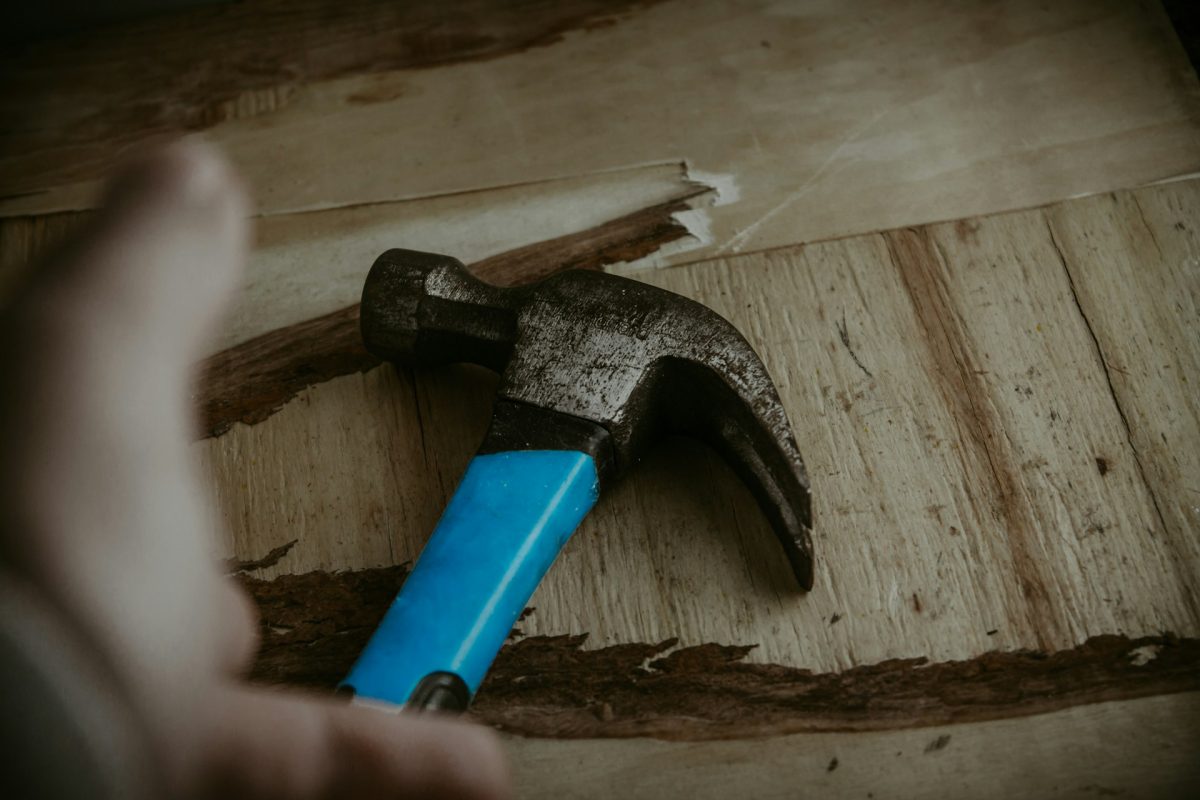
A single five-dollar tool can knock out nails, pry apart boards, tap bricks into place, crack open stubborn crates, and even help tidy up a garden bed. That tool does not plug in, does not need batteries, and does not demand a special charging station in the garage. It fits in one hand, slides into a toolbox without fuss, and solves problems the moment they appear. The humble claw hammer earns a spot as one of the most versatile tools ever made, yet too many people overlook its full range.
Walk through any hardware aisle and the options can overwhelm anyone. Nail pullers sit next to pry bars. Mallets line up in different weights. Specialty garden tools promise precision and ease. A basic claw hammer replaces more of those than most people realize, and it does so without draining a wallet.
The Mighty Claw Hammer Deserves More Respect
A standard claw hammer usually weighs between 16 and 20 ounces, which gives it enough heft to drive nails into framing lumber while still feeling comfortable in one hand. The flat face drives nails straight and true, while the curved claw slips under nail heads and pulls them out with controlled leverage. That simple two-sided design eliminates the need for a separate nail setter and nail puller in most everyday projects.
Many people grab a pry bar when they need to separate two boards, but the claw hammer often handles that job just as well. Slide the claw between the pieces, apply steady pressure, and the boards begin to loosen. That leverage saves time and reduces the number of tools cluttering up a workspace. For small demolition jobs, such as removing trim or pulling apart a pallet, the claw hammer handles the task without hesitation.
The hammer also steps in when a rubber mallet seems necessary. While a metal hammer should not strike delicate surfaces directly, a scrap piece of wood between the hammer and the material allows gentle tapping. That trick helps seat pavers, adjust door frames, or nudge furniture parts into alignment. A five-dollar hammer turns into a precision tool with one small adjustment.
Gardening With a Hammer? Absolutely!
The garden might not seem like the natural home for a claw hammer, but this tool shines outside just as much as it does indoors. Gardeners often need to drive stakes into the ground to support tomato plants, climbing beans, or young trees. A claw hammer drives wooden or lightweight metal stakes quickly and firmly, giving plants the structure they need to grow upright and strong.
Raised beds and simple garden borders often rely on nails or screws to hold boards together. A hammer speeds up repairs when a corner joint loosens or when a board shifts out of place. Instead of hauling out a full toolbox, one hammer handles quick fixes and keeps the growing season on track.
Weeds do not stand a chance against the claw end either. Slide the curved claw under the base of a stubborn weed and apply gentle pressure. The leverage helps lift deep taproots out of compacted soil, especially after a light rain softens the ground. This method works well for dandelions and other broadleaf weeds that refuse to budge with hand pulling alone. Garden fencing sometimes leans or sags as the season progresses. A hammer helps tap fence staples back into wooden posts or secure loose wire. It also drives small nails to hang garden tools on a shed wall or mount hooks for hoses. In a space where dirt, moisture, and constant growth create ongoing maintenance, a claw hammer proves itself again and again.
A Budget Tool That Builds Confidence
Many expensive tools promise efficiency, yet they also intimidate beginners. Power tools require instruction, safety gear, and often a bit of courage. A claw hammer feels straightforward and accessible. Anyone can learn how to grip it properly, align the nail, and swing with control. That simplicity builds confidence, which leads to tackling more ambitious projects.
When someone starts with a reliable hammer, small repairs no longer wait for a professional. Loose cabinet hinges, wobbly picture frames, and minor fence damage get handled quickly. That momentum changes how a home feels because small issues no longer pile up. A single, affordable tool encourages action instead of procrastination.
Quality matters, even at a low price point. A hammer with a solid steel head and a securely attached handle offers durability that lasts for years. Fiberglass handles resist moisture and reduce vibration, which helps during longer tasks. Wood handles feel traditional and provide a comfortable grip, but they require storage in a dry place. Choosing a well-balanced hammer ensures clean, accurate strikes and reduces the chance of bent nails.
Replacing a Toolbox Full of Single-Use Gadgets
Hardware stores sell specialized tools for nearly every task imaginable. A separate tack hammer for small nails, a mini pry bar for tight spaces, a dedicated nail puller for stubborn fasteners, and even specialty tools for landscaping stakes crowd the shelves. A claw hammer covers a surprising number of those functions without demanding extra space.
The curved claw grips and removes nails from wood with steady pressure. The flat face drives everything from finishing nails to small framing nails. The side of the hammer head can gently tap objects into place when space limits a full swing. With careful technique, the hammer also cracks open wooden crates or breaks down cardboard boxes for recycling.
In the garden, the hammer replaces a light-duty mallet for stakes and small posts. It helps set edging materials along flower beds and keeps landscape fabric pins firmly in place. Rather than investing in a separate tool for each small job, the hammer handles them all with steady reliability.
This versatility does not mean the hammer replaces heavy-duty equipment for large construction or serious demolition. It does, however, eliminate the need for many niche tools in an average household. For everyday maintenance, gardening, and small projects, the claw hammer delivers remarkable value.
Smart Tips for Getting the Most Out of It
Proper technique makes all the difference. Grip the handle near the end to maximize leverage and power, and keep the wrist straight during each swing. Start nails with light taps to set them in place before increasing force. That method prevents bent nails and keeps fingers safe.
In the garden, water the soil lightly before pulling deep-rooted weeds with the claw. Moist soil loosens around roots and allows the tool to lift them more cleanly. When driving stakes, hold them steady and strike squarely on top to avoid splitting the wood.
Keep the hammer clean and dry after outdoor use. Wipe off dirt and moisture to prevent rust on the metal head. Store it in a dry spot, especially if it has a wooden handle. A quick inspection every few months ensures the head remains tight and secure.
One Tool, Endless Possibilities
A five-dollar claw hammer might not look flashy, but it quietly replaces a lineup of more expensive tools. It drives, pulls, pries, taps, lifts, and secures. It keeps garden beds tidy, plants upright, fences stable, and small repairs under control. It builds confidence in new DIYers and saves money for seasoned homeowners who value simplicity.
In a world that constantly pushes new gadgets and upgrades, the basic claw hammer stands firm as a reminder that smart design often beats complexity. When a single tool handles both indoor fixes and outdoor gardening tasks with equal skill, it earns its place without question.
What other everyday tool deserves a second look in your home or garden? Make sure you share your thoughts in the comments below.
You May Also Like…
Fire Departments Say These Common Garden Tool Storage Habits Is Causing Accidents
The $5 Tool That’s Breaking and Ruining Raised Beds Across the South
How To Keep Your Garden Tools Organized When Snow Hits
9 Steps to Protect Your Garden Furniture & Tools for Winter
10 Garden Tools You Didn’t Know You Already Own

Brandon Marcus is a staff writer for FrugalGardening.com at District Media, Inc., where he delivers practical gardening advice with a relatable, no-nonsense style. An avid amateur gardener, he holds a BA degree and with over ten years of professional writing experience, he is also an award-winning published author whose first book, Questions For Deep Thinkers, was released by Adams Media. His work has appeared in major publications including Fandom.com, CHUD.com, TheColdWire.com, and Fansided.com.
Leave a Reply