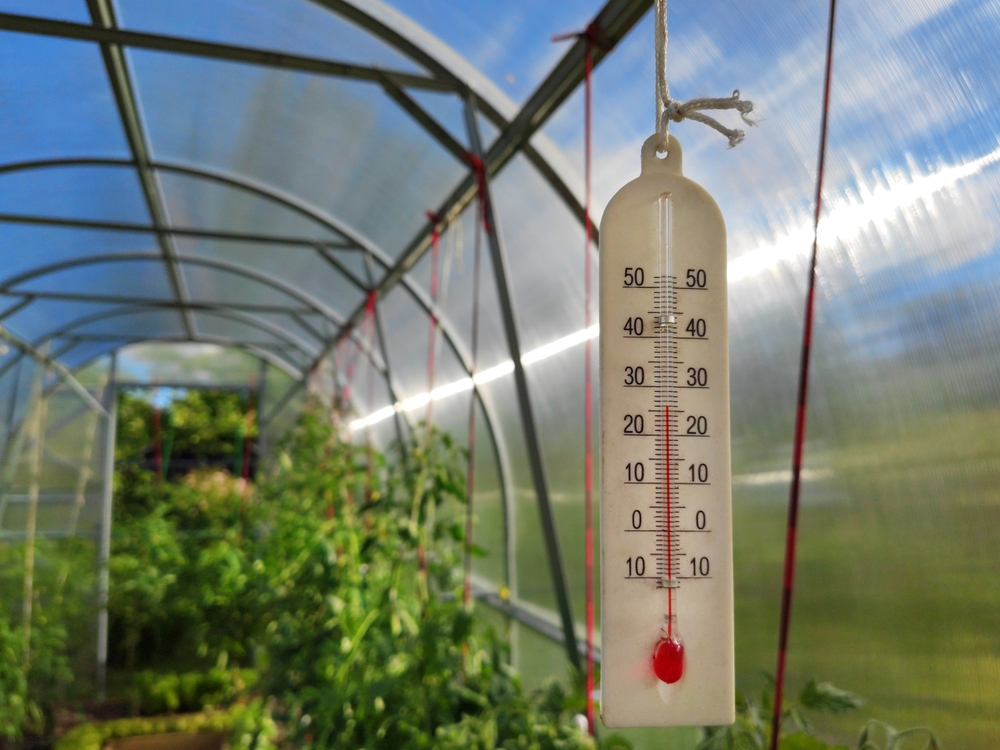
One minute your garden is basking in gentle sunshine, and the next it’s bracing for a cold snap that feels like it came out of nowhere. Weather whiplash has become the new normal, and plants are feeling it just as much as people are. Sudden temperature swings can stress roots, confuse growth cycles, and turn once-thriving beds into botanical question marks.
With a little strategy and awareness, your garden can become more resilient than ever. Think of this as a survival guide for your plants in a world where the thermostat has a mind of its own.
Why Rapid Temperature Swings Hit Gardens So Hard
Plants thrive on consistency, and rapid temperature changes disrupt the biological rhythms they rely on to grow and reproduce. A sudden warm spell can trigger early budding, only for a late frost to destroy tender new growth overnight. Soil temperature fluctuations also affect microbial life, which plays a huge role in nutrient availability.
Even hardy plants can suffer stress that weakens their immune defenses against pests and disease. Understanding this stress response is the first step toward building a more adaptable garden.
How Soil Acts As Your Garden’s Temperature Buffer
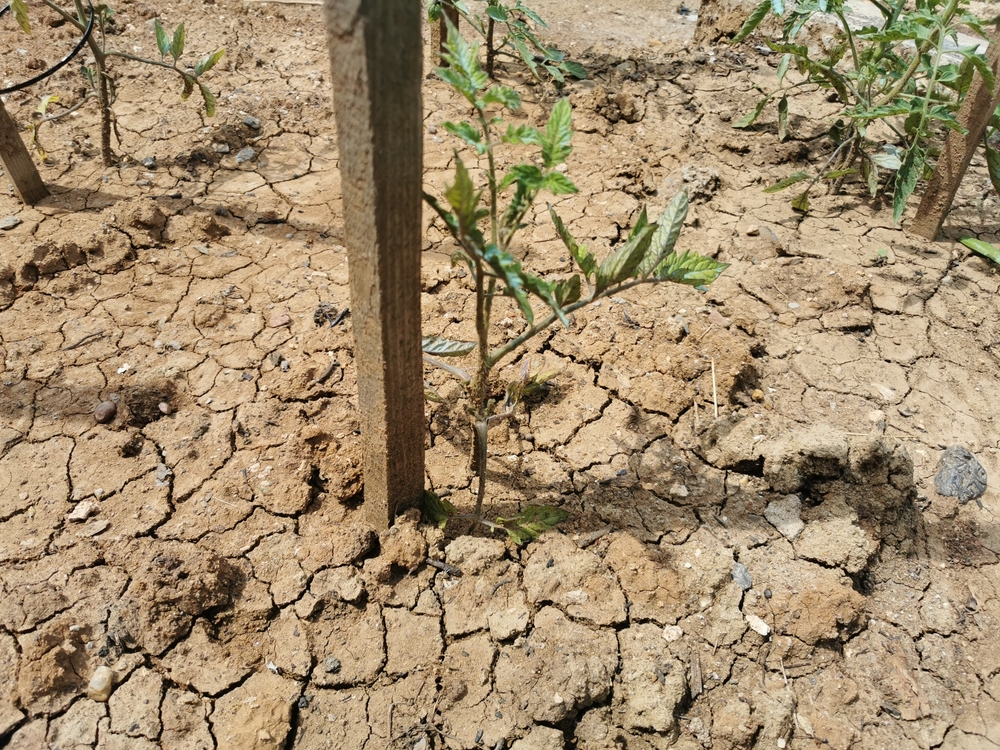
Soil isn’t just dirt; it’s your garden’s natural climate moderator when treated correctly. Healthy, organic-rich soil retains heat during cold snaps and stays cooler during sudden heat waves. Mulch acts like a thermal blanket, reducing temperature extremes and preserving moisture at the same time. Compacted or nutrient-poor soil, on the other hand, amplifies temperature stress and limits root resilience. Investing in soil health pays off every time the weather decides to be unpredictable.
Choosing Plants That Handle Mood-Swing Weather
Not all plants panic when temperatures fluctuate, and choosing the right ones can save you endless frustration. Native plants are often the best performers because they evolved alongside your region’s natural climate variability. Perennials with deep root systems tend to recover faster from temperature shocks than shallow-rooted annuals. Plant diversity also matters, since a mixed garden is less likely to suffer total loss from one weather event. Think of your plant selection as building a resilient team rather than betting everything on one star player.
Smart Watering Strategies During Temperature Extremes
Watering becomes a strategic tool when temperatures swing wildly. During sudden heat spikes, deep watering in the early morning helps roots stay cool and hydrated throughout the day. When cold snaps loom, slightly moist soil actually retains heat better than dry soil, offering subtle protection to roots. Overwatering, however, can backfire by causing root rot or increasing frost damage. Learning to adjust your watering rhythm with the forecast is one of the most powerful habits a gardener can develop.
Microclimates: Your Garden’s Hidden Superpower
Every garden contains microclimates, even small ones, and using them wisely can make all the difference. South-facing walls absorb and radiate heat, creating warm pockets ideal for sensitive plants. Low-lying areas trap cold air, making them risky zones during temperature drops. Windbreaks like hedges or fences can reduce heat loss and prevent plant stress.
Once you start mapping these subtle zones, your garden becomes a carefully orchestrated environment instead of a guessing game.
Tools And Techniques To Stay One Step Ahead
Modern gardeners have more tools than ever to manage unpredictable temperatures. Row covers, frost cloths, and shade cloths provide quick protection without permanent structures. Weather apps and soil thermometers help you anticipate problems before they happen. Even simple habits, like checking overnight lows or tracking seasonal patterns, can dramatically improve outcomes. Preparedness doesn’t mean perfection—it means being ready to act when nature throws a curveball.
Turning Weather Chaos Into Garden Confidence
Rapid temperature swings don’t have to spell disaster for your garden, even when they seem relentless. With thoughtful plant choices, healthy soil, smart watering, and a bit of observation, your garden can adapt and thrive through the ups and downs. Gardening in this new climate reality is less about control and more about partnership with nature’s rhythms. Every season becomes a learning experience that sharpens your instincts and strengthens your space.
Feel free to leave your thoughts, experiences, or lessons learned in the comments below and keep the conversation growing.
You May Also Like…
9 Winter Plants That Actually Thrive in Freezing Temperatures
How Temperature Fluctuations Impact Fall Growth
Why Indoor Gardening Is Trending in Cold-Climate Homes
How to Keep Citrus Trees Thriving in a Cold Climate
10 Plants That Attract Pollinators Even in Cold Weather

Brandon Marcus is a staff writer for FrugalGardening.com at District Media, Inc., where he delivers practical gardening advice with a relatable, no-nonsense style. An avid amateur gardener, he holds a BA degree and with over ten years of professional writing experience, he is also an award-winning published author whose first book, Questions For Deep Thinkers, was released by Adams Media. His work has appeared in major publications including Fandom.com, CHUD.com, TheColdWire.com, and Fansided.com.
Leave a Reply