
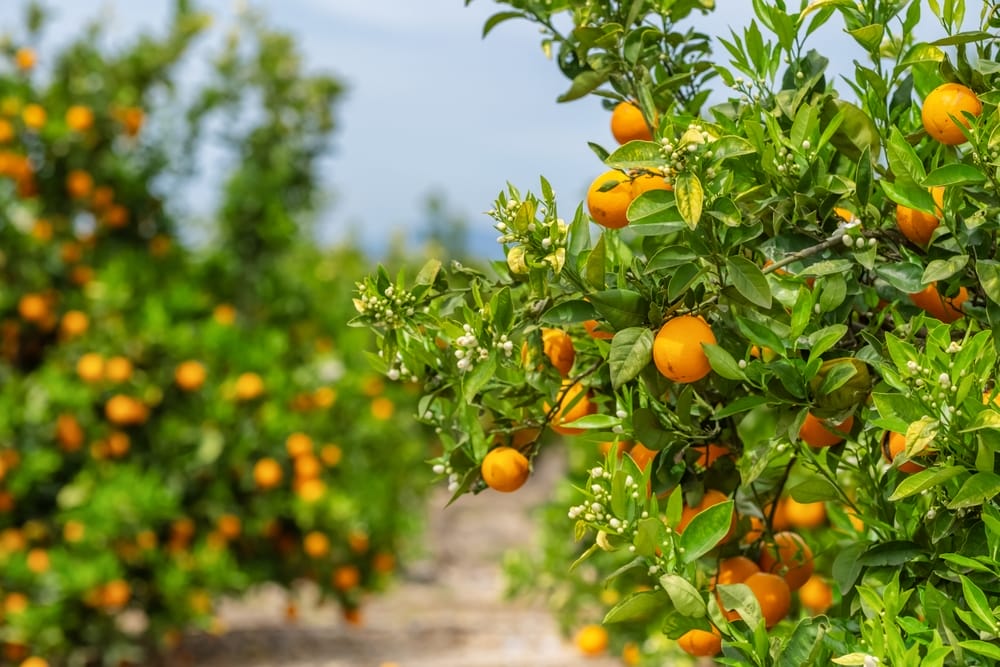
Growing citrus trees in a cold climate might sound like a recipe for heartbreak, but it doesn’t have to be. These bright, fragrant trees are resilient, surprisingly adaptable, and can thrive even where frost looms like an uninvited guest. With the right care, a little creativity, and a touch of patience, you can have your own lemon or orange harvest while your neighbors are scraping ice off their cars.
The key is knowing how to protect them from the cold while still giving them the sunlight, nutrients, and attention they crave. Here’s how to keep your citrus trees not just surviving, but thriving, no matter what the thermometer says.
Choose The Right Citrus Varieties
Not all citrus trees are created equal when it comes to handling cold weather. Meyer lemons, Satsuma mandarins, and kumquats are among the hardiest, able to tolerate temperatures that would make other varieties shiver in their roots. Choosing the right variety is the first step in giving your tree a fighting chance. Smaller varieties are also perfect for container growing, which is essential in climates with harsh winters. By picking a naturally cold-tolerant citrus, you’re already giving yourself a head start on a bountiful harvest.
Plant In Containers For Maximum Flexibility
Growing citrus trees in containers isn’t just convenient—it’s a lifesaver for cold climates. Potted trees can be moved indoors or to sheltered areas at the first sign of frost. Large pots with proper drainage help prevent waterlogged roots, which are more vulnerable to freezing. During warm months, the pots can stay outside in sunlit spots, soaking up all the light and warmth they can get. Come winter, moving your tree to a bright indoor location ensures it continues to thrive despite dropping temperatures.
Provide Plenty Of Sunlight
Citrus trees are sun worshippers, and in colder climates, sunlight becomes even more critical. They need at least six hours of direct sunlight each day to produce healthy leaves and fruits. If you’re keeping your tree indoors during winter, place it near a south-facing window for maximum light exposure. For extra sun, consider using a grow light to mimic the natural daylight they crave. A well-lit tree is a happy tree, and happy trees grow stronger, more flavorful fruit even when the air outside is icy.
Protect From Frost And Freezing Temperatures
Frost can be the number-one enemy of a citrus tree in cold climates. To protect your trees, wrap them in frost cloths, burlap, or even old blankets when temperatures dip below freezing. For smaller trees in containers, moving them into a garage, sunroom, or enclosed porch can save them from frostbite. Heat lamps or string lights can provide extra warmth, but make sure nothing touches the branches directly to avoid burns. By being proactive and prepared, you can prevent a single cold night from ruining months of growth.
Water And Feed Thoughtfully
Citrus trees in cold climates have slightly different watering needs than those in warm climates. Overwatering in winter can be as dangerous as letting them dry out completely because soggy roots are more prone to cold damage. Aim to water only when the top inch of soil feels dry, and reduce feeding during the coldest months. During spring and summer, use a balanced fertilizer to promote growth and fruit development. Feeding thoughtfully ensures your tree stays strong and ready to handle both temperature swings and seasonal growth spurts.
Prune Regularly For Health And Shape
Pruning isn’t just about keeping a tree looking pretty—it’s a vital survival tool for citrus in cold climates. Remove dead, damaged, or diseased branches to prevent energy waste and reduce the risk of frost damage. Shape the tree so that air circulates freely through the branches, which can help prevent mold and cold-related diseases. Pruning also encourages new growth, which leads to more flowers and fruits when conditions are favorable. A well-maintained tree is more resilient, adaptable, and ready to flourish year after year.
Monitor For Pests And Disease
Cold climates don’t eliminate pest problems; they just shift the timing and types of pests you may encounter. Aphids, scale, and spider mites can still attack citrus trees indoors or in sheltered areas. Check leaves and stems regularly for signs of infestations or unusual growths. Early detection allows you to treat problems quickly without relying heavily on harsh chemicals. Healthy trees are strong trees, and vigilance is key to keeping your citrus thriving in less-than-tropical conditions.
Consider Microclimates And Wind Protection
Your yard likely has microclimates—small areas that are slightly warmer, sunnier, or more sheltered than the general surroundings. Placing your citrus tree in these zones can make a huge difference in cold weather survival. Walls, fences, or dense shrubs can act as windbreaks, preventing freezing gusts from damaging leaves and buds. Even moving a potted tree a few feet closer to a sunny wall can add essential degrees of warmth. Understanding and using microclimates is a simple but powerful way to help your citrus tree thrive.
Citrus Success Is Possible Anywhere
Cold climates don’t have to mean a life without lemons, oranges, or kumquats. With the right varieties, container strategies, sun exposure, and frost protection, you can enjoy the bright, zesty joy of citrus even when the weather outside is harsh. Regular care, thoughtful pruning, and attention to watering and feeding habits help your tree stay resilient year after year. Microclimates, wind protection, and pest monitoring add extra layers of security, ensuring your tree isn’t just surviving but truly thriving.
Have you grown citrus in a chilly environment? Share your tips, successes, or funny mishaps in the comments.
You May Also Like…
- What Are the Different Ways to Germinate Citrus Seeds?
- The Easiest Way to Keep Young Trees Safe from Winter Winds
- Stop Frost Heave from Killing Young Trees — Here’s the Fix
- Why Autumn Is Ideal for Planting Fruit Trees
- 10 Fruits to Preserve While They’re at Peak Flavor

Brandon Marcus is a staff writer for FrugalGardening.com at District Media, Inc., where he delivers practical gardening advice with a relatable, no-nonsense style. An avid amateur gardener, he holds a BA degree and with over ten years of professional writing experience, he is also an award-winning published author whose first book, Questions For Deep Thinkers, was released by Adams Media. His work has appeared in major publications including Fandom.com, CHUD.com, TheColdWire.com, and Fansided.com.
Leave a Reply