Starting a garden can feel like stepping into an epic adventure. One day you’re watering happily, and the next your “green thumb” is under siege by drooping leaves and mysterious brown spots. But fear not, aspiring plant parent! Not all greenery is high-maintenance or destined to meet a tragic end under your care.
Some plants are practically indestructible, able to shrug off forgotten waterings, errant sunlight, and even mild neglect. Let’s dive into ten leafy champions that will survive your learning curve and still make your home or garden look amazing.
1. Snake Plant: The Indestructible Indoor Star
Snake plants are famous for their resilience, making them a superstar for beginners. They thrive in low light, tolerate drought, and only need occasional watering. Their upright, sword-like leaves add a sleek, modern touch to any room. They also help clean the air by filtering toxins, giving you style and health benefits at once. Even if you forget them for weeks, they bounce back without a fuss.
2. Pothos: The Climbing Wonder
Pothos are nearly impossible to kill, making them perfect for new plant lovers. Their trailing vines can grow in low light or bright, indirect light without complaint. They survive erratic watering schedules, bouncing back quickly if left a little thirsty. Plus, they can be grown in soil or water, giving beginners options for any space. Their heart-shaped leaves bring instant charm to shelves, desks, or hanging baskets.
3. ZZ Plant: The Glossy Survivor
ZZ plants are a dream for those with a spotty watering record. Their thick, waxy leaves store water, so they can endure weeks without attention. They tolerate low light but thrive in bright, indirect light, offering flexibility in placement.
Minimal care is required, yet their shiny, dark green leaves make a bold statement. Their slow growth makes them perfect for long-term enjoyment without constant pruning.
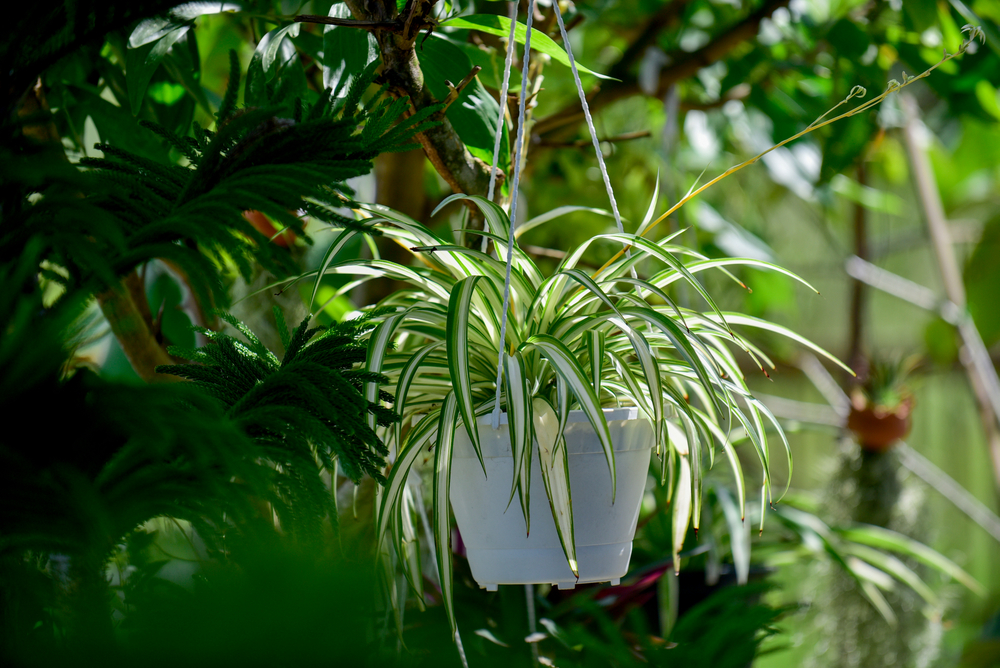
4. Spider Plant: The Fun, Airy Choice
Spider plants are playful, tough, and endlessly rewarding to grow. They send out “babies” or offshoots that can be easily propagated into new plants. They thrive in indirect sunlight and can handle occasional overwatering or drought. Their arching leaves create a lively, airy look that suits hanging baskets perfectly. Beginners love watching them grow, multiply, and spread cheer around the home.
5. Aloe Vera: The Healing Succulent
Aloe Vera is more than just an easy-care succulent—it’s a handy health tool. It prefers bright, indirect sunlight and infrequent watering, which suits forgetful gardeners perfectly. Its thick leaves store water, making it extremely drought-tolerant. Aloe also produces gel that can soothe burns, giving your efforts a functional bonus. Even minimal care keeps it looking striking and vibrant indoors.
6. Jade Plant: The Lucky Survivor
Jade plants are charming, slow-growing succulents that thrive on neglect. They require bright light but minimal watering, making them forgiving companions for beginners. Overwatering is their biggest danger, so letting soil dry between watering is key. Their rounded, glossy leaves add a unique aesthetic and even symbolize luck in many cultures. With patience, they can live for decades, rewarding your care with longevity.
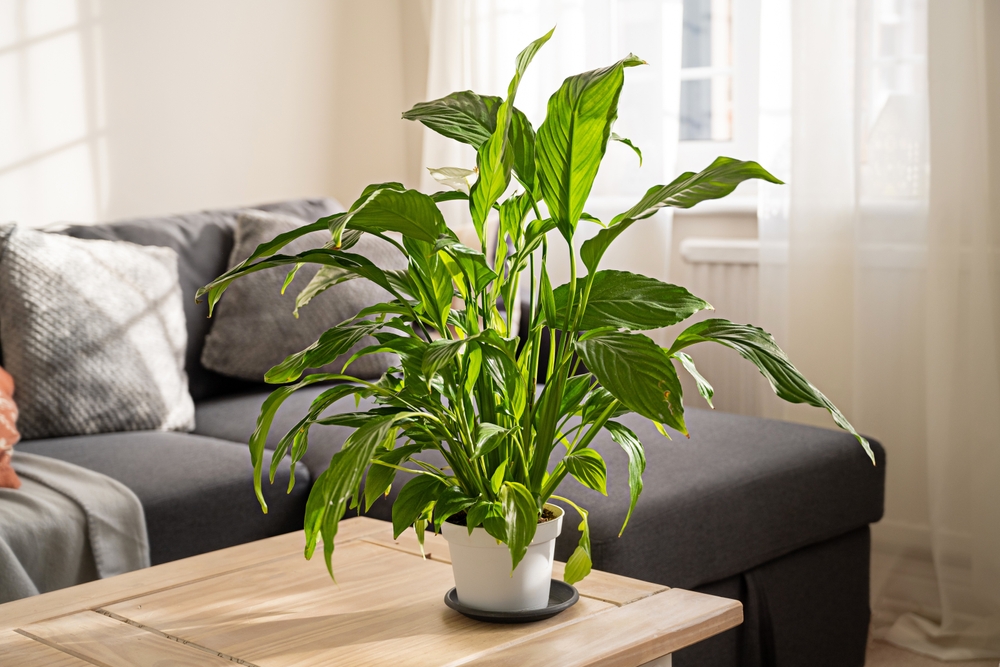
7. Peace Lily: The Elegant Warrior
Peace lilies are tough, elegant, and incredibly forgiving indoor plants. They tolerate low light, although bright indirect light encourages blooms. They’ll droop dramatically when thirsty, but a quick drink revives them instantly, offering clear feedback for beginners. Their glossy leaves and occasional white blooms elevate any indoor space. They also help purify the air, combining beauty with function effortlessly.
8. Marigold: The Vibrant Outdoor Gem
Marigolds are cheerful, bright, and nearly indestructible in gardens. They thrive in full sun and are resistant to many pests, perfect for new gardeners. Their vibrant orange and yellow blooms provide a pop of color throughout the growing season. They require minimal maintenance beyond occasional watering in dry spells. Even if you forget them for a bit, marigolds usually bounce back, keeping your garden lively and festive.
9. Cast Iron Plant: The Name Says It All
Cast iron plants truly live up to their name, surviving neglect, low light, and irregular watering. They grow slowly but steadily, offering a calm, enduring presence in any indoor space. Their broad, dark green leaves are almost indestructible, making them perfect for clumsy or busy gardeners. They tolerate a range of environmental conditions that would stress most other plants. Beginners can confidently place them anywhere without fear of disaster.
10. Sunflower: The Cheerful Giant
Sunflowers are bold, bright, and surprisingly hardy, even for new gardeners. They thrive in full sun and adapt well to different soil types. Their towering stalks and large blooms provide a dramatic focal point for any garden. They attract pollinators like bees and butterflies, adding life and energy to your outdoor space. With minimal attention beyond watering and sun, they reward your efforts with stunning flowers that lift the spirits.
Join the Resilient Plant Club
Starting your gardening journey doesn’t have to be a battle with wilting leaves and brown soil. These ten plants prove that resilience comes in all shapes, sizes, and colors. Whether you’re nurturing a tabletop succulent, a hanging vine, or a bright outdoor bloom, these tough plants forgive beginner mistakes and encourage experimentation.
Take heart: with the right hardy companions, your green thumb can grow with confidence. We’d love to hear your thoughts or stories about your gardening triumphs or hilarious plant fails in the comments section below.
You May Also Like…
Why Some Plants Refuse to Grow Near Each Other
6 Houseplants That Thrive in Neglect and Still Impress Guests
Which Plants Thrive in Shade and Ice but Hate Sun?
7 Rare Plants Collectors Say Will Soar in Popularity This Year
Why Gardeners Are Falling in Love With Unusual Houseplants This Year

Brandon Marcus is a staff writer for FrugalGardening.com at District Media, Inc., where he delivers practical gardening advice with a relatable, no-nonsense style. An avid amateur gardener, he holds a BA degree and with over ten years of professional writing experience, he is also an award-winning published author whose first book, Questions For Deep Thinkers, was released by Adams Media. His work has appeared in major publications including Fandom.com, CHUD.com, TheColdWire.com, and Fansided.com.
Leave a Reply