When the chill of winter sets in and most gardens seem to sigh under frost and snow, some brave plants continue to hum with life. Bees, butterflies, and even hummingbirds aren’t ready to hibernate just yet, and certain plants know exactly how to lure them in despite the icy air. Cold-weather pollinators are masters of survival, seeking out flowers that provide nectar and pollen when it’s hardest to find.
If you want your garden to buzz, flutter, and sparkle even when the thermometer dips, choosing the right hardy plants is key. Let’s dive into ten botanical wonders that refuse to let winter silence their sweet summons.
1. Witch Hazel: Winter’s Golden Beacon
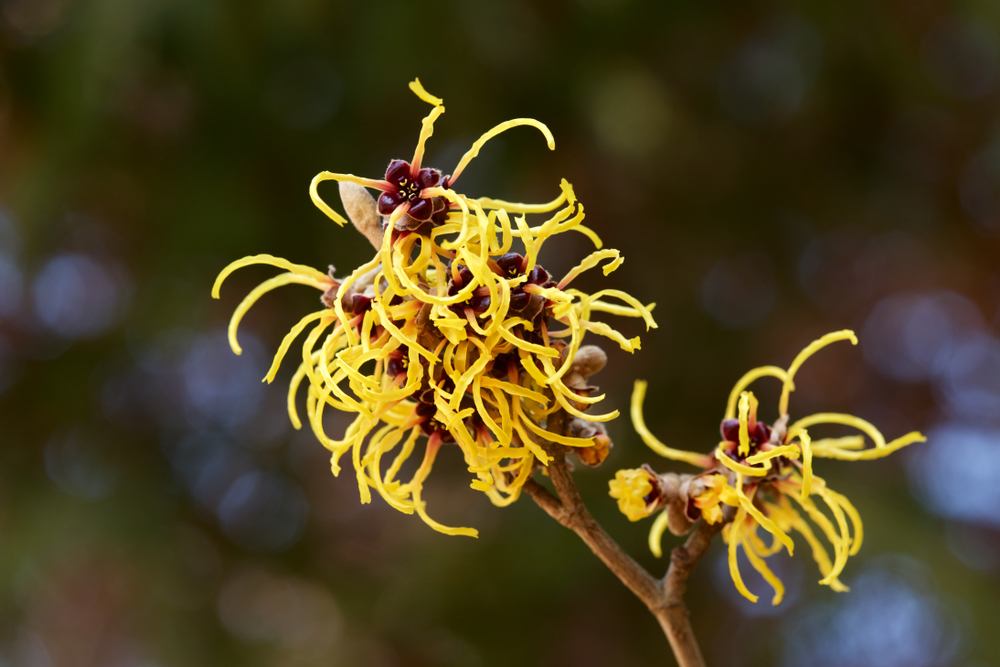
Witch hazel is like a glittering lantern in the gray landscape of late fall and early winter. Its spidery yellow flowers appear when most plants have gone dormant, catching the attention of early pollinators. Bees can detect its fragrance from afar, drawn to the nectar that’s still flowing in cold conditions. This shrub is adaptable, thriving in various soils while adding structural interest to your garden. Planting witch hazel ensures that your pollinators have a reliable winter snack.
2. Hellebores: The Snow’s Gentle Charmers
Hellebores are often called “Christmas roses” for a reason—they bloom when frost laces the ground. Their nodding, cup-shaped flowers provide shelter from cold winds while offering nectar. Bumblebees, in particular, appreciate the warmth the petals trap inside. These perennials are low maintenance and long-lived, making them a favorite for gardeners seeking winter color. With a palette of purples, whites, and greens, hellebores bring both beauty and utility.
3. Mahonia: The Winterberry Alternative
Mahonia, sometimes called Oregon grape, produces spiky clusters of bright yellow flowers that glow in dull winter light. Its blooms release a fragrant scent that carries through cold air, guiding pollinators to a much-needed energy source. Bees and butterflies visit frequently, even when snow dusts the ground. Mahonia’s evergreen leaves provide shelter and interest when other plants are bare. It’s a garden multitasker: beautiful, hardy, and a pollinator magnet.
4. Winter Heath: Low-Growing Nectar Source
Winter heath, or Erica carnea, carpets the ground with dainty pink or white blossoms from late winter into early spring. Its low growth keeps flowers close to the soil, where the air is slightly warmer, creating a cozy spot for insects. Honeybees and solitary bees flock to its nectar during lean months. Winter heath thrives in poor soil, making it ideal for slopes and rock gardens. This resilient plant proves that even small flowers can make a big impact.
5. Snowdrops: Early Blooming Delights
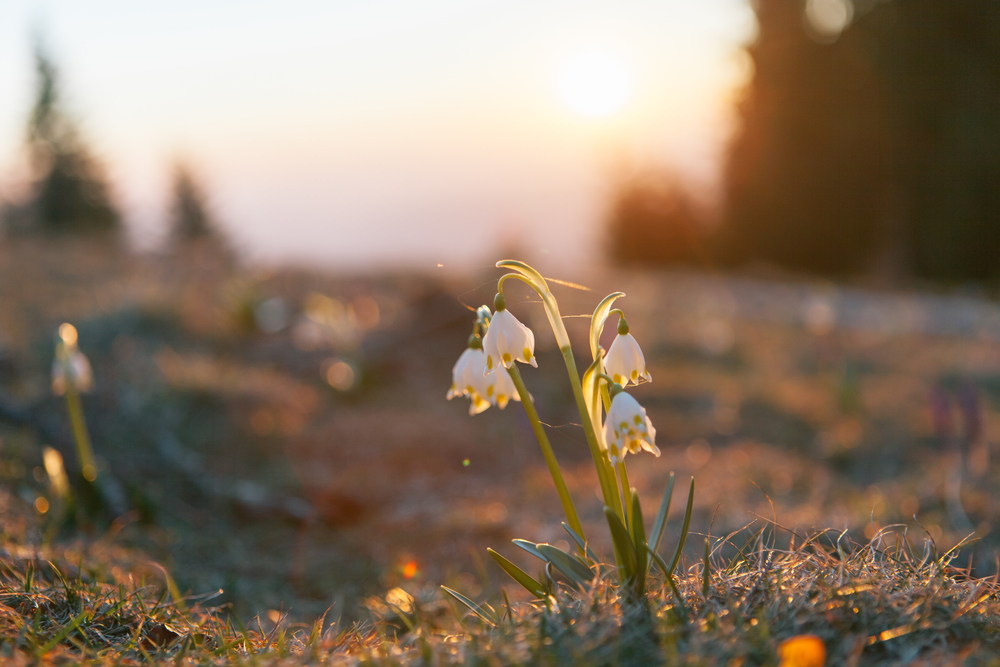
Snowdrops are the iconic harbingers of spring, poking through snow with delicate white bells. They bloom early enough to provide the first sweet bites of nectar for waking pollinators. Bumblebees are particularly fond of these tiny but mighty flowers. Snowdrops multiply over the years, creating thicker carpets of early food. Their subtle elegance adds charm while supporting survival in the garden ecosystem.
6. Camellias: Winter Roses With Pollen Power
Camellias are often mistaken for roses, but their winter-blooming habit is a gift for pollinators. Their large, showy flowers store warmth, attracting insects even in colder temperatures. Bees visit repeatedly, transferring pollen while enjoying a sweet treat. Camellias are evergreen, so your garden maintains color and life when other shrubs are bare. Their wide variety of colors and forms ensures a splash of vibrancy in dreary months.
7. Winter Jasmine: Golden Trails of Sunshine
Winter jasmine defies the dreary season by trailing bright yellow blooms along fences and walls. Its strong fragrance floats in cold air, signaling nectar availability to pollinators. Bumblebees and butterflies are drawn to the warmth of sunny spots where winter jasmine thrives. This plant tolerates frost well, making it reliable in unpredictable climates. With minimal care, winter jasmine brightens your garden and fuels its tiny visitors.
8. Mahonia Japonica: Evergreen Buzz Factory
Mahonia japonica is a close cousin to other winter mahonias but offers longer-lasting blooms that extend into late winter. Its clusters of bright yellow flowers drip with nectar, irresistible to bees. The evergreen leaves provide shelter for insects, giving them a place to hide from harsh winds. It’s particularly effective in shaded or partially sunny areas where few flowers survive. With its dual benefits of color and function, Mahonia japonica is a pollinator superstar.
9. Crocuses: Pops of Early Color
Crocuses are small but mighty, bursting through snow and soil in a riot of purple, yellow, and white. Their early blooming period makes them crucial for insects emerging from winter dormancy. Bees and hoverflies visit repeatedly, grateful for early nectar. Crocuses naturalize easily, filling lawns and borders with vibrant spring hints. They’re proof that even the tiniest flowers can punch above their weight for pollinators.
10. Mahonia Charity: Golden Gift For Frost
Mahonia Charity is a hybrid designed for maximum winter flowering. Its golden-yellow blooms are packed with nectar, luring in bees when few alternatives exist. Evergreen foliage adds year-round interest and shelter for pollinators during freezing temperatures. It grows well in a range of soils and light conditions, making it versatile for gardens large and small. Planting Mahonia Charity ensures your garden hums with life long after most others have gone dormant.
Keep Your Garden Buzzing All Year
Cold weather doesn’t have to mean a lifeless garden. By selecting plants that thrive and bloom in frost, you create a haven for bees, butterflies, and other essential pollinators. These ten plants not only bring color and texture to gray landscapes but also provide critical nourishment when food is scarce. Gardens that support pollinators in winter help sustain local ecosystems and ensure springtime blooms are abundant.
Let us know your experiences with these or other hardy pollinator-friendly plants in the comments below.
You May Also Like…
Why Pollinator Habitat Shouldn’t Be Cut Back Yet
How to Make Your Yard a Haven for Birds and Pollinators This Winter
Stop Raking! Why Leaving the Leaves Might Save Your Lawn
14 Cold-Frame Upgrades That Extend Your Growing Season
6 Cold Weather Herbs That Keep Producing Indoors

Brandon Marcus is a staff writer for FrugalGardening.com at District Media, Inc., where he delivers practical gardening advice with a relatable, no-nonsense style. An avid amateur gardener, he holds a BA degree and with over ten years of professional writing experience, he is also an award-winning published author whose first book, Questions For Deep Thinkers, was released by Adams Media. His work has appeared in major publications including Fandom.com, CHUD.com, TheColdWire.com, and Fansided.com.
Leave a Reply