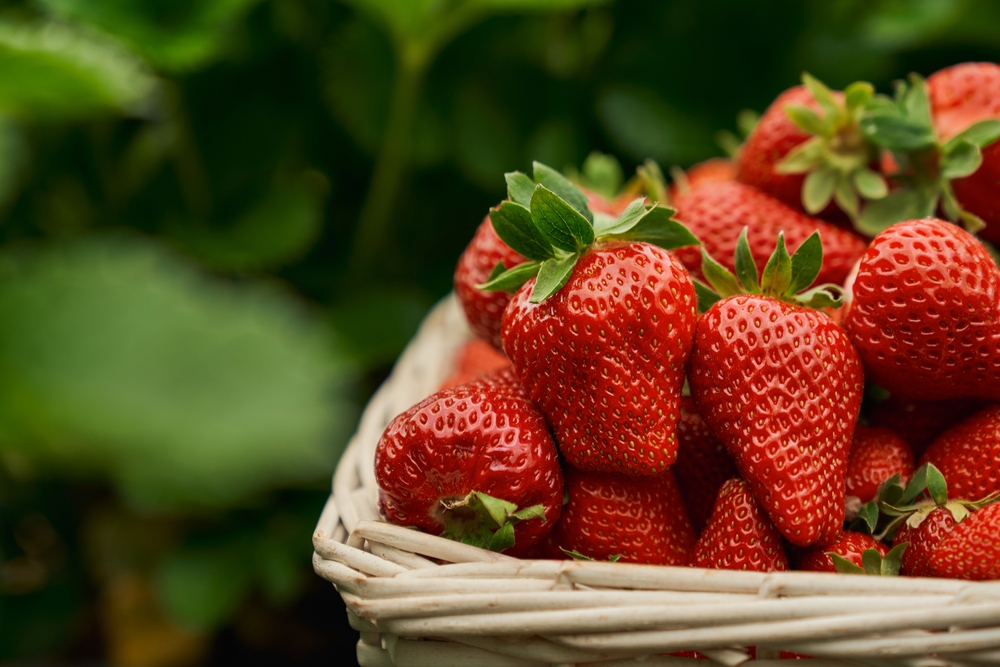
The idea that you need a sprawling yard to grow fruit is one of the biggest gardening myths still hanging around. Even tiny patios, balconies, and narrow side yards can turn into surprisingly productive mini orchards with the right plants and a little creativity. From fruits that thrive in containers to varieties bred specifically for compact growth, small-space gardening is having a quiet revolution.
The best part is that many of these fruits feel exotic, impressive, or downright magical when you harvest them yourself. Get ready to rethink what “backyard fruit” really means, because these hidden gems punch way above their square-footage weight.
1. Alpine Strawberries
Alpine strawberries look delicate, but they are tough little plants that thrive in pots, hanging baskets, and window boxes. Unlike grocery-store strawberries, they produce smaller fruits packed with intense, candy-like flavor. They don’t send out runners, which keeps them tidy and perfect for tight spaces. These plants also tolerate partial shade better than most fruiting crops. Once established, they often produce fruit continuously from late spring through fall.
2. Dwarf Citrus Trees
Dwarf citrus trees are living proof that big flavor can come from small packages. Lemon, lime, and mandarin varieties are commonly grafted to stay compact and container-friendly. With enough sun and good drainage, they can live happily on patios or balconies for years. Many are self-pollinating, meaning you only need one tree to get fruit. Bonus points go to their glossy leaves and fragrant blossoms, which make them feel like living décor.
3. Figs For Tight Spaces
Figs are surprisingly adaptable and can thrive even when root-bound in containers. Keeping them slightly restricted actually encourages better fruit production rather than harming the plant. Varieties like ‘Petite Negra’ or ‘Little Miss Figgy’ are bred specifically for small gardens. They love warmth and do especially well near walls that reflect heat. With proper pruning, a fig tree can stay compact while still producing a generous harvest.
4. Blueberries In Containers
Blueberries are ideal for small spaces if you control their soil conditions. They prefer acidic soil, which is easier to maintain in pots than in the ground. Compact varieties like ‘Top Hat’ or ‘Jelly Bean’ stay neat and decorative. Their white spring flowers and fiery fall foliage make them visually stunning year-round. With two compatible varieties, you’ll boost pollination and enjoy heavier fruiting.
5. Hardy Kiwi Vines
Hardy kiwi vines produce grape-sized fruits with smooth skin you can eat whole. Unlike their fuzzy grocery-store cousins, these vines tolerate colder climates and smaller spaces when trained properly. A sturdy trellis or railing is usually enough to support their growth. While they do grow vigorously, regular pruning keeps them manageable and productive. The reward is clusters of sweet, tropical-tasting fruit that feel like a garden secret.
6. Pineapple Plants
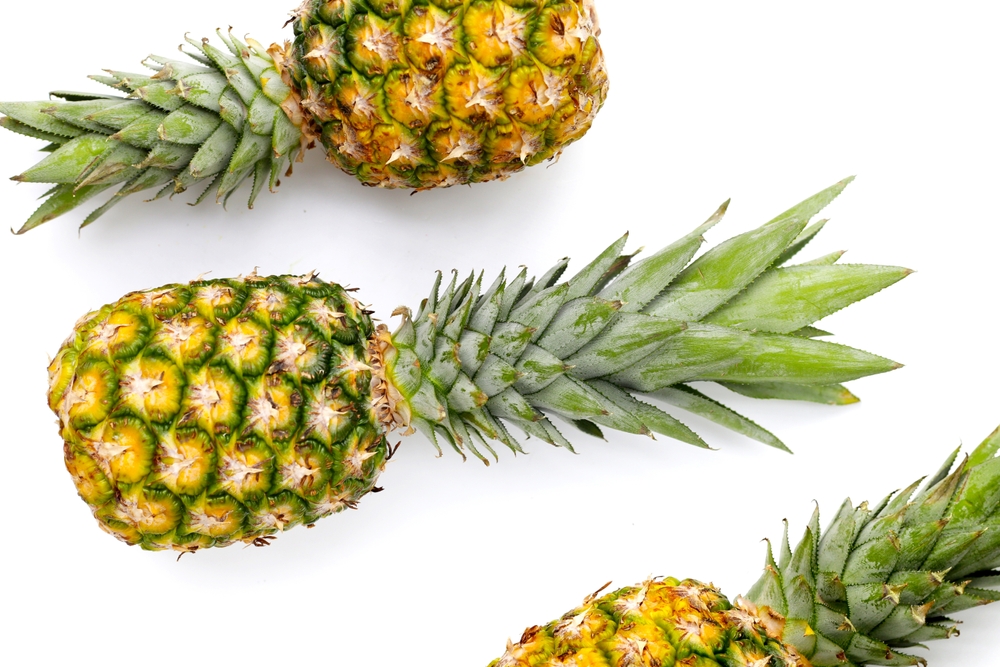
Growing a pineapple at home feels like a magic trick, but it’s surprisingly doable. All you need is a sunny spot, patience, and the top of a store-bought pineapple. These plants stay relatively compact and look striking with their spiky leaves. While they take time to fruit, the process is incredibly satisfying. Few things impress guests more than harvesting a pineapple from your own patio.
7. Gooseberries And Currants
Gooseberries and currants are underrated champions of small-space gardening. They tolerate partial shade better than many fruits, making them ideal for less sunny yards. Compact bush varieties fit neatly into containers or narrow beds. Their tart-sweet berries are perfect for jams, desserts, or fresh snacking. Once established, they’re low-maintenance and reliably productive year after year.
8. Columnar Apple Trees
Columnar apple trees grow upright like living fruiting pillars, making them perfect for tight spaces. They require minimal pruning and can even thrive in large pots. Despite their slim shape, they still produce full-sized apples. Planting two compatible varieties improves pollination and yield. They’re a fantastic way to enjoy homegrown apples without sacrificing valuable yard space.
Small Spaces, Big Harvests
Growing fruit in a small space isn’t about limitation; it’s about smart choices and a little imagination. These plants prove that you don’t need acres of land to enjoy fresh, homegrown sweetness. With the right varieties, even balconies and patios can become productive, beautiful growing zones.
If you’ve tried any of these fruits or discovered a compact grower of your own, drop your experiences or thoughts in the comments below. Your ideas might inspire someone else to start their own small-space fruit adventure.
You May Also Like…
The Best Way to Prune Fruit Trees Before the Cold Sets In
10 Fruits to Preserve While They’re at Peak Flavor
9 Fruits to Harvest Before the Birds Do
6 Fruits That Actually Taste Better After a Chill
The Fruits and Nuts You Can Still Harvest This Month

Brandon Marcus is a staff writer for FrugalGardening.com at District Media, Inc., where he delivers practical gardening advice with a relatable, no-nonsense style. An avid amateur gardener, he holds a BA degree and with over ten years of professional writing experience, he is also an award-winning published author whose first book, Questions For Deep Thinkers, was released by Adams Media. His work has appeared in major publications including Fandom.com, CHUD.com, TheColdWire.com, and Fansided.com.
I grew figs in pots for years in Chicago. In the winter they need to go into the garage or basement. Only problem I had was keepimg the squirrels from eating the. I tried netting, plastic crow and even moth balls. Best deterrent was my dog. Jim Darby