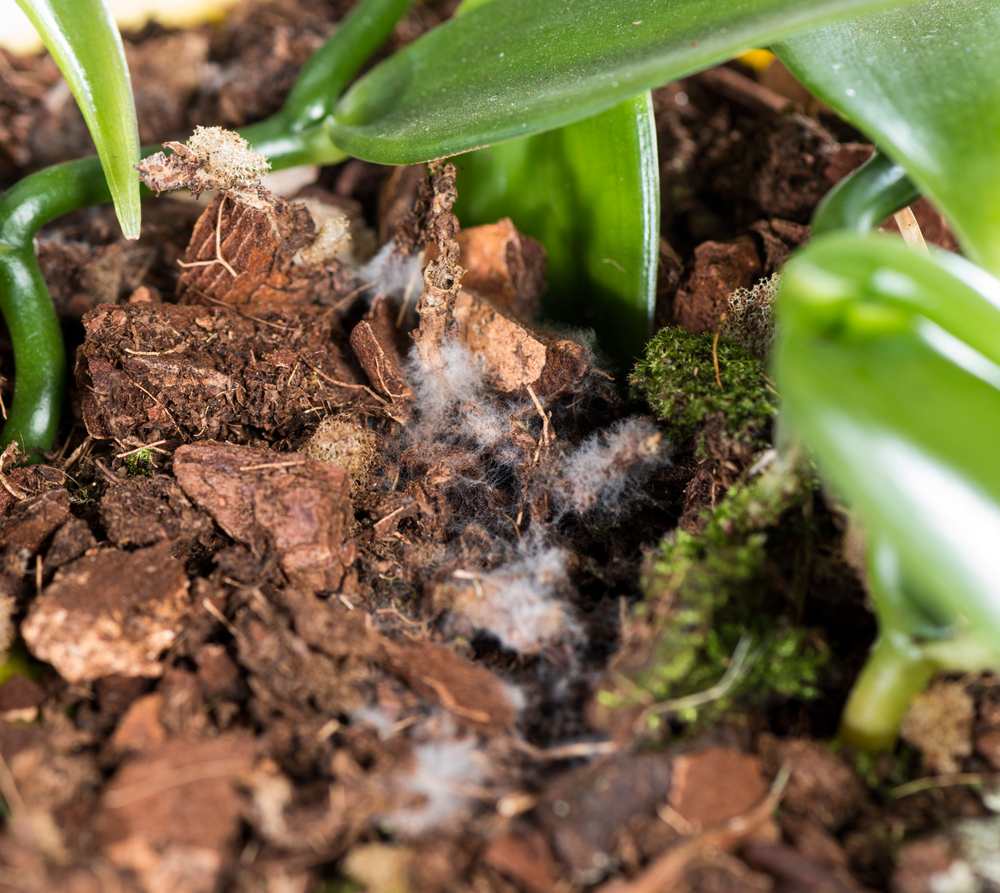
That white fuzz or musty smell showing up in a fresh batch of mix can feel like a gardening betrayal, especially when you made it yourself to save money. The good news is you usually don’t need fancy products to fix the problem—you need better moisture control, smarter storage, and a couple of cheap “reset” methods. Mold is often a symptom of a mix that stays wet too long, not proof you’re doing everything wrong. Once you know what’s feeding it, you can make a batch that stays airy, clean, and plant-friendly without spending more.
Why Mold Loves Homemade Mix
Mold shows up when ingredients stay damp and trapped without enough airflow. Many budget-friendly ingredients are organic, which means they’re basically dinner for microbes. If a mix is too fine or too packed, water lingers and oxygen drops, and that’s when the fuzz starts winning. DIY potting mixes are especially vulnerable when they’re heavy on compost or peat-like materials without enough chunky structure. The fix is usually about texture and drying time, not tossing everything in the trash.
The Sneaky Ingredients That Carry Spores
Some ingredients arrive already loaded with spores because they’re stored outdoors or shipped slightly damp. Compost, worm castings, bark fines, and bagged forest products are common culprits, even when they look perfectly normal. Coir and peat can also grow mold if they were compressed with moisture and then stored warm. If you’re blending DIY potting mixes, treat any “earthy” ingredient like it might be holding extra life, because it probably is. That’s not always bad, but it does mean you need to manage moisture like it matters.
Storage Mistakes That Turn Good Mix Bad
A sealed bin in a warm garage sounds tidy, but it can become a humidity trap fast. If you put away mix that’s even slightly moist, you’ve basically built a small greenhouse for mold. Storing bags on concrete can also wick moisture up, especially in basements or sheds, and the bottom layer gets funky first. If you keep leftover DIY potting mixes, store them in breathable containers or loosely covered bins so they can equalize and dry. And always label the date, because old mix tends to clump, compact, and hold water longer.
How To Refresh DIY Potting Mixes Without Going Broke
If a batch smells musty or looks fuzzy, spread it out in a thin layer and let it dry fully before you do anything else. Sun-drying on a tarp for a day or two can knock back a lot of surface growth and costs nothing. For a stronger reset, lightly moisten the mix, cover it with clear plastic, and solarize it in direct sun so heat builds inside. You can also pasteurize small amounts by heating damp mix gently in an oven-safe pan until it’s hot throughout, but avoid blasting it on high because that can create unpleasant odors. Once it’s dry and cooled, remix it with fresh aeration materials so it doesn’t fall back into the same soggy pattern.
Mix Texture Fixes That Starve Mold
Mold thrives when a mix stays wet, so your goal is faster drainage and more air pockets. Add coarse perlite, pumice, pine bark chunks, or even rinsed rice hulls to create space and keep water moving. A common mistake is using too much fine compost or sifted materials that settle like mud around roots. When you build DIY potting mixes, aim for a fluffy feel that springs back when you squeeze it, not a dense clod that holds its shape. If your mix compacts after watering, it needs more chunk and less “dust.”
When Mold Is Harmless And When It’s A Red Flag
A little surface mold on the top of a pot doesn’t always mean your plants are doomed. It often signals you’re watering too often or the pot has poor airflow, not that the mix is toxic. The bigger concern is a sour, rotten smell, persistent fungus gnats, or seedlings collapsing, which points to overly wet conditions that can trigger damping-off. If you see repeated mold blooms in DIY potting mixes, assume the mix is staying wet too long and adjust texture, pot size, and watering rhythm. When in doubt, repot small plants into a lighter blend and let the old batch dry and reset before reuse.
Keep It Airy, Keep It Clean
Mold doesn’t mean you have to quit making your own mix—it just means your mix needs better breathing room and drier storage habits. Start by drying ingredients, storing leftovers in breathable ways, and building texture that drains fast. If a batch goes funky, you can usually save it with drying, solarization, and a fresh boost of chunky aeration. Over time, you’ll learn what your space needs, because a humid basement and a sunny porch don’t behave the same.
What’s the most annoying mold moment you’ve had with your potting mix, and what finally fixed it?
What to Read Next…
This Winter Gardening Habit Is Spreading Mold and Root Rot, Experts Warn
Experts Say Houseplant Soil Mix Is Causing Gnat Infestations
Is Buying Soil in Bulk Always the Cheaper Option?
Experts Say These Dollar Store Garden Items Are Killing Plants in 2026
The Mulch That’s Causing Mold Problems in Southern Homes

Catherine is a tech-savvy writer who has focused on the personal finance space for more than eight years. She has a Bachelor’s in Information Technology and enjoys showcasing how tech can simplify everyday personal finance tasks like budgeting, spending tracking, and planning for the future. Additionally, she’s explored the ins and outs of the world of side hustles and loves to share what she’s learned along the way. When she’s not working, you can find her relaxing at home in the Pacific Northwest with her two cats or enjoying a cup of coffee at her neighborhood cafe.
Leave a Reply