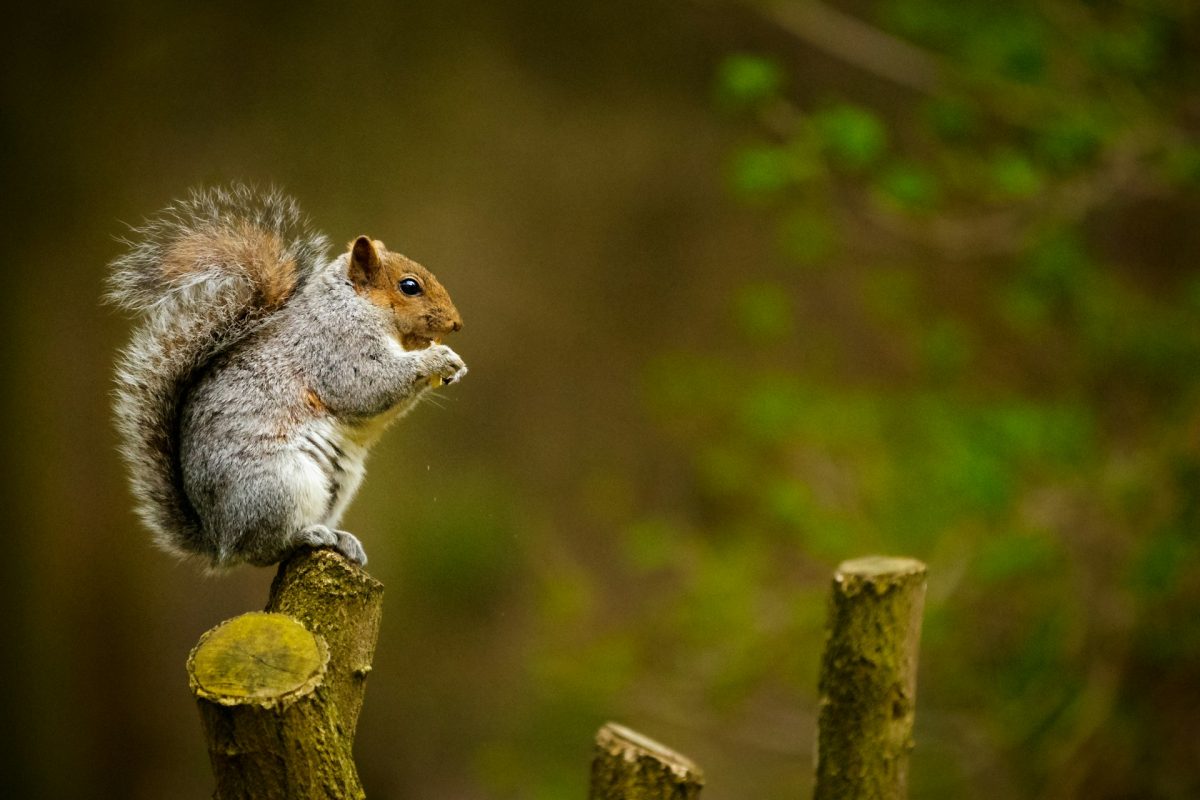
The battle for the backyard starts the moment a squirrel locks eyes with a tomato plant. That tiny acrobat does not see months of planning, watering, and weeding. It sees lunch. And, as we all know, when a squirrel has a goal in mind, it seems like nothing will stop it. Even the most diehard gardeners know how relentless squirrels can be.
If a garden matters, then protecting it matters just as much, and that does not require expensive gadgets or harsh chemicals. With the right approach, anyone can guard their harvest without draining a wallet or harming wildlife.
1. Build a Barrier They Can’t Outsmart
Physical barriers stop squirrels faster than almost any other method. Chicken wire, hardware cloth, or simple garden netting creates a clear message: this buffet stands closed. Hardware cloth with small openings works especially well because squirrels cannot squeeze through it or chew it apart easily. A roll from a home improvement store costs far less than replacing an entire season of seedlings.
Gardeners can bend wire into simple cages around raised beds or place netting directly over plants during peak ripening. Stakes hold everything in place, and zip ties keep it secure. Squirrels excel at climbing and digging, so secure the bottom edge of fencing at least a few inches into the soil. That extra effort prevents them from tunneling underneath and turning a tidy bed into chaos.
For potted plants, wrap the base with wire mesh and anchor it tightly. This step stops squirrels from digging up freshly planted containers in search of hidden treasures. Barriers may not look glamorous, but they protect produce better than wishful thinking ever could.
2. Clean Up Like a Garden Guardian
A squirrel follows food, plain and simple. Fallen fruit, scattered birdseed, and even unsecured compost attract attention from blocks away. A tidy yard cuts off that invitation. Sweep up dropped berries and nuts as soon as they hit the ground, and empty compost bins regularly.
Bird feeders often spark the problem. Squirrels treat them like all-you-can-eat buffets and then wander straight into nearby garden beds. Placing feeders far from the garden reduces temptation. Baffles on feeder poles prevent squirrels from climbing up for easy meals. The Humane Society of the United States recommends using squirrel-resistant feeders and cleaning up spilled seed to discourage repeat visits.
Trash cans deserve attention too. Tight-fitting lids block access to leftovers that keep squirrels hanging around. Once food sources shrink, many squirrels move along in search of easier pickings. A clean yard sends a strong signal that nothing lies here worth the effort.
3. Use Scents That Send Them Running
Squirrels rely heavily on their sense of smell, and certain strong scents drive them away. Capsaicin, the compound that makes chili peppers hot, irritates mammals but does not harm birds. Many gardeners mix cayenne pepper with water and a drop of dish soap to create a spray for leaves and soil. Commercial capsaicin-based repellents also offer reliable protection, and the Environmental Protection Agency lists many as safe when used as directed.
Reapply sprays after heavy rain or regular watering since moisture washes them away. Consistency makes all the difference. A single application rarely solves the issue, but steady reinforcement trains squirrels to associate the area with discomfort.
Garlic and peppermint oil sprays offer additional natural options. Some gardeners soak cotton balls in peppermint oil and tuck them around vulnerable plants. While scents alone rarely provide a permanent fix, they add another layer of defense without adding serious cost.
4. Plant Smart and Outsmart Them
Certain plants discourage squirrels simply because they do not taste good or smell appealing. Daffodils, alliums, and hyacinths contain compounds that many animals avoid. Planting these around garden borders can create a subtle protective ring. Marigolds also release a strong scent that deters some pests and adds a bright splash of color.
Crop selection matters too. Squirrels gravitate toward corn, tomatoes, strawberries, and sunflowers. Protect those high-value crops first with barriers or netting. Place less attractive plants along the outer edges to reduce temptation. Timing plays a role as well. Harvest fruits and vegetables as soon as they ripen. A tomato left on the vine too long acts like a billboard advertisement for hungry wildlife. Frequent harvesting keeps produce off the menu and inside the kitchen where it belongs.
5. Water Tricks and Motion Surprises
Motion-activated sprinklers deliver a harmless but startling blast of water that sends squirrels scrambling. These devices cost less than many electronic deterrents and connect directly to a standard garden hose. The surprise factor teaches squirrels that the yard offers more trouble than reward.
Placement matters. Aim the sensor toward the most vulnerable areas, such as raised beds or berry patches. Test the range before settling on a final position to avoid drenching sidewalks or neighbors. Reflective objects like old CDs, aluminum pie plates, or reflective tape can also disrupt squirrel activity. Hang them where sunlight hits and creates flashes of light. While squirrels may grow accustomed to stationary objects over time, rotating or repositioning them keeps the element of surprise alive.
6. Block Entry Points Before They Multiply
Squirrels do not limit themselves to garden beds. They nest in attics, sheds, and garages when given the chance. Once they establish a nearby nest, garden raids become routine. Inspect roofs, vents, and eaves for small openings and seal them with hardware cloth or sturdy materials.
The Centers for Disease Control and Prevention notes that wild rodents can carry diseases, so preventing entry into living spaces protects both property and health. Regular maintenance of sheds and outbuildings reduces nesting options and keeps squirrel populations from growing too comfortable.
Tree trimming also helps. Branches that hang directly over rooftops or fences create easy highways into secure areas. Prune back limbs to create at least a six-foot gap between trees and structures when possible. That small adjustment removes convenient launching pads.
Stay Consistent and Stay Creative
No single tactic guarantees total victory. Squirrels adapt quickly, and they test new opportunities with relentless curiosity. A combination of barriers, scent repellents, yard maintenance, and motion devices usually works best. Rotate strategies every few weeks to prevent them from growing accustomed to any one approach.
Budget-friendly solutions demand patience and persistence rather than big spending. Regular observation reveals patterns, such as peak activity times or favorite entry points. Adjust defenses accordingly. Small tweaks often make a big difference over time.
Garden protection requires effort, but it also builds a deeper understanding of how wildlife interacts with outdoor spaces. That awareness turns frustration into strategy and turns a vulnerable garden into a resilient one.
Protect the Harvest Without Losing the Joy
A thriving garden brings pride, flavor, and a connection to the outdoors that few other hobbies can match. Squirrels add energy and life to a neighborhood, but they do not need to feast on hard-earned produce. Simple, affordable steps create boundaries that protect plants while respecting wildlife.
Smart barriers, clean surroundings, natural repellents, and thoughtful feeding habits form a practical defense plan that anyone can put into action. The key lies in consistency and a willingness to adapt.
What strategies have proven most effective in keeping squirrels out of your garden without breaking the budget? Give us all the tips you have in the comments below.
You May Also Like…
March Garden Pests That Show Up Before You Notice the Damage
12 Of The Worst Garden Pests And How To Get Rid Of Them
This One Winter Gardening Habit Could Be Spreading Invasive Pests Across the South
10 Ways to Keep Squirrels From Digging Up Your Beds

Brandon Marcus is a staff writer for FrugalGardening.com at District Media, Inc., where he delivers practical gardening advice with a relatable, no-nonsense style. An avid amateur gardener, he holds a BA degree and with over ten years of professional writing experience, he is also an award-winning published author whose first book, Questions For Deep Thinkers, was released by Adams Media. His work has appeared in major publications including Fandom.com, CHUD.com, TheColdWire.com, and Fansided.com.
Leave a Reply