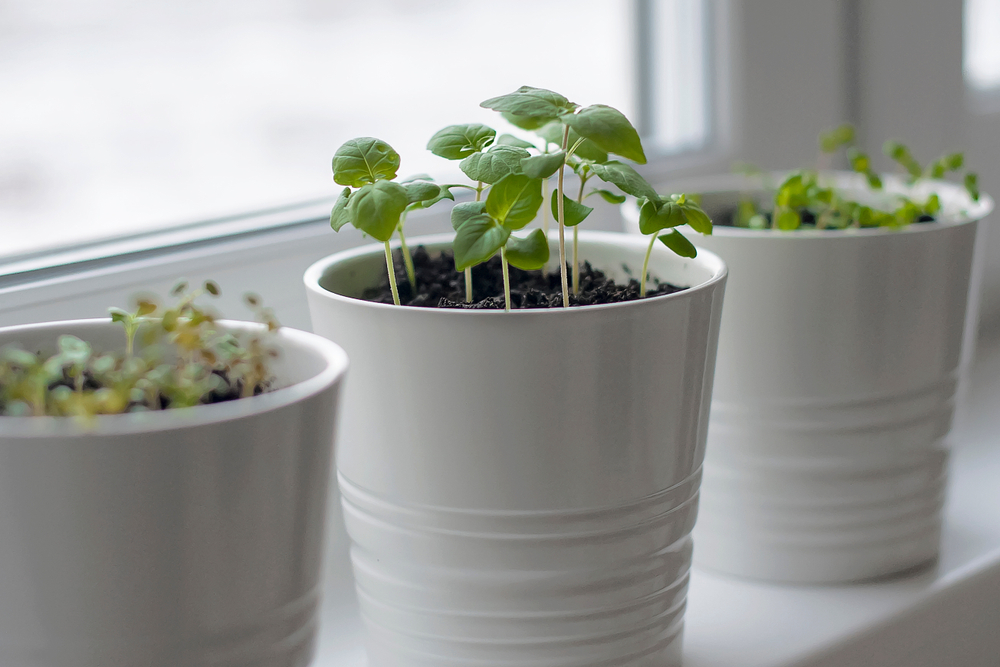
Fresh herbs transform everyday meals into something memorable, yet grocery store bundles wilt fast and cost more than they should. A dark kitchen might seem like the end of the herb-growing dream, but smart gardeners know how to turn low light into a non-issue.
With a few inexpensive tricks, anyone can grow vibrant herbs indoors and keep flavor within arm’s reach all year long. Let’s talk about how to make it happen without wasting money or time.
Choose the Right Herbs for Low-Light Success
Not all herbs demand blazing sunlight, so selecting the right varieties sets the foundation for success in a dark kitchen. Mint, parsley, chives, and cilantro thrive in moderate to low light and adapt well to indoor conditions without constant fuss. These herbs grow quickly, bounce back after trimming, and deliver strong flavor even when light levels drop below ideal outdoor standards. Basil and rosemary struggle in dim environments, so skip them unless supplemental lighting enters the plan.
Smart gardeners also think about how often they cook and which herbs they actually use in daily meals. A thriving pot of parsley that gets clipped into soups, eggs, and salads delivers far more value than a neglected rosemary plant. Frequent harvesting encourages growth, so choosing versatile herbs keeps the cycle going strong. This approach saves money while ensuring nothing goes to waste.
Use Cheap Grow Lights That Actually Work
Dark kitchens need a reliable light source, but expensive setups rarely deliver better results than budget-friendly options. LED grow lights, especially strip or clip-on versions, provide full-spectrum light that mimics sunlight without driving up electricity costs. Position lights about six to twelve inches above the herbs and run them for 10 to 14 hours daily to keep plants healthy and productive. A simple timer automates the schedule and eliminates guesswork.
Many gardeners overlook how affordable these solutions have become, with solid options available for under $20. Consistent lighting prevents leggy growth, boosts flavor, and keeps leaves lush instead of pale and weak. Even a single well-placed light can support several small pots, making this one of the most cost-effective upgrades available. The result feels like a cheat code for growing herbs indoors.
Master the Art of Container Gardening on a Budget
Expensive planters look nice, but herbs care far more about drainage and space than style. Repurposed containers such as mason jars, yogurt cups, or tin cans work perfectly when drainage holes get added to the bottom. A small layer of pebbles or broken pottery improves water flow and prevents root rot, which often kills indoor herbs faster than anything else. Quality potting soil matters more than the container itself, so invest a few dollars there for better results.
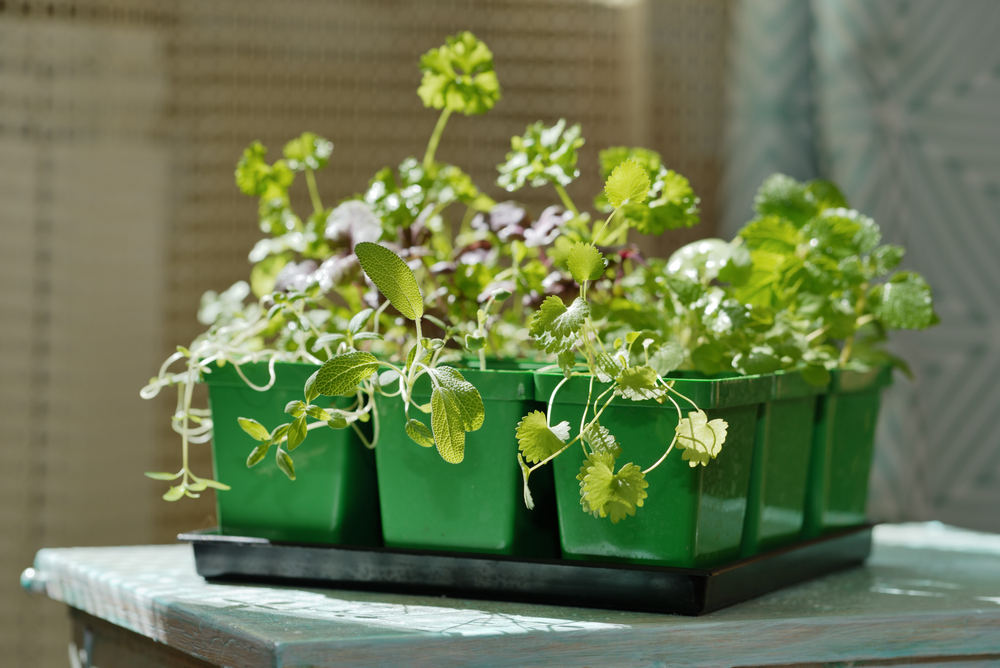
Grouping herbs together on a tray or windowsill creates a mini ecosystem that helps maintain humidity and simplifies care routines. Keeping everything in one place also makes watering and trimming feel effortless instead of like a chore. Budget gardening thrives on creativity, and this setup proves that great results never require fancy gear. The focus stays on function, not appearance.
Water and Feed Like a Pro Without Overspending
Overwatering ruins more indoor herb gardens than neglect ever could, so precision matters. Herbs prefer slightly moist soil, not soggy conditions, so checking the top inch of soil before watering keeps things balanced. Most indoor herbs need water every few days, though conditions like heat and airflow can shift that schedule. Consistency builds strong roots and prevents common issues like yellowing leaves.
Feeding herbs does not require expensive fertilizers or complicated routines. A diluted liquid fertilizer applied every two to four weeks provides all the nutrients needed for steady growth. Some gardeners even use compost tea or leftover vegetable water as a natural boost. Keeping feeding simple saves money while still delivering impressive results.
Harvest Frequently to Multiply Growth and Flavor
Regular harvesting does more than provide fresh ingredients—it actively encourages herbs to grow fuller and stronger. Snipping leaves just above a growth node signals the plant to branch out, creating a bushier shape and more usable leaves. Waiting too long between harvests leads to leggy plants that produce less flavor over time. A quick trim every week keeps herbs in peak condition.
Using fresh herbs daily turns this habit into a rewarding routine instead of a chore. A handful of chopped chives or parsley can elevate simple dishes without adding cost. This constant cycle of growth and use defines the true value of growing herbs indoors. It transforms a small investment into a steady supply of flavor.
Fresh Flavor Without the Grocery Bill
Growing herbs indoors in a dark kitchen might sound like a stretch, but the right strategy turns it into an easy win. Choosing low-light herbs, adding affordable lighting, and sticking to simple care routines creates a system that practically runs itself. Each step builds on the last, resulting in healthy plants that deliver consistent flavor without constant spending. The savings add up quickly when store-bought herbs no longer end up in the trash.
Which herbs would make the biggest difference in your kitchen right now? Let’s hear your thoughts and advice in the comments below.
You May Also Like…
How to Start Seeds Indoors on a Tight Budget Without Wasting Money
Plants You Can Still Start Indoors for Free
Experts Say These Indoor Greenhouses Are Failing Seedlings in Cold Snaps
Indoor Gardening Is Booming in 2026—But These 4 Common Setups Are Wasting Your Money

Brandon Marcus is a staff writer for FrugalGardening.com at District Media, Inc., where he delivers practical gardening advice with a relatable, no-nonsense style. An avid amateur gardener, he holds a BA degree and with over ten years of professional writing experience, he is also an award-winning published author whose first book, Questions For Deep Thinkers, was released by Adams Media. His work has appeared in major publications including Fandom.com, CHUD.com, TheColdWire.com, and Fansided.com.
Leave a Reply