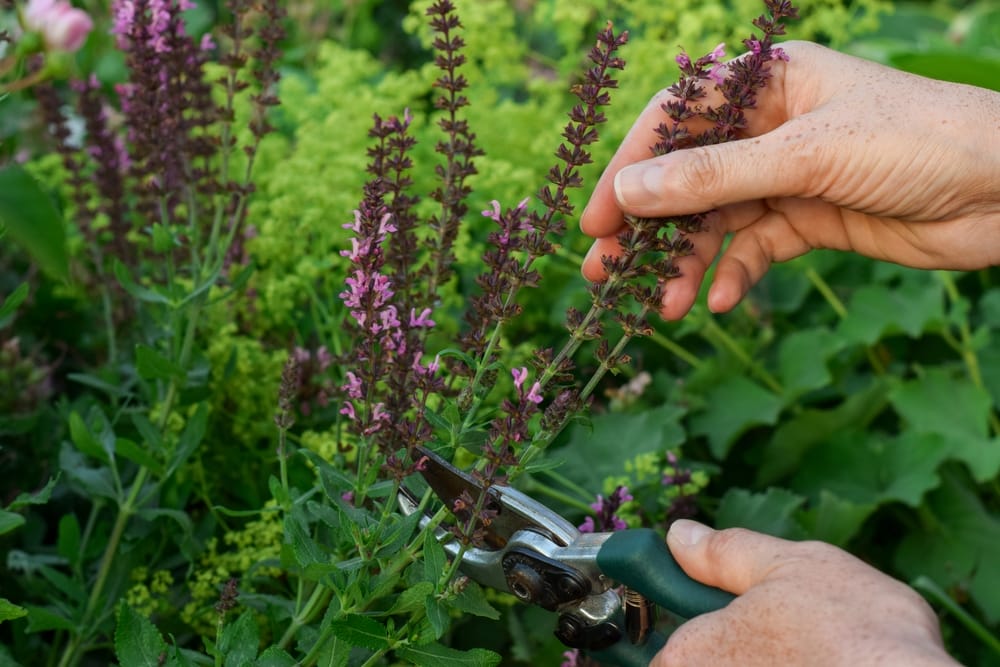
All gardeners understand the unique kind of urgency that hits at least once a season—the moment you glance at your flower beds and realize half your perennials are staging a crowded riot.
Roots tangle, blossoms fight for elbow room, and suddenly the plants you lovingly tucked into the soil a few years ago are now behaving like botanical landlords refusing to share the property. It’s chaotic, a little dramatic, and honestly, kind of thrilling.
Splitting and moving perennials isn’t just smart gardening—it’s a full-blown makeover for your landscape. And right now, before the next growth burst kicks in, is the perfect time to roll up your sleeves and get it done.
Hostas: The Shade Lovers That Grow Out Of Control
Hostas are the gorgeous, leafy gems of shaded gardens, but they expand faster than most gardeners expect. They begin as modest, tidy plants and suddenly balloon into massive mounds that swallow nearby space. Splitting them helps maintain their shape while giving you fresh plants to fill in other shady spots. The process is simple: dig up the clump, divide the root mass, and replant the healthiest sections. Within weeks, they perk up as if nothing happened—except now you’ve doubled or tripled your hosta collection.
Daylilies: The Colorful Overachievers
Daylilies are famous for their resilience, and that same energy often makes them overcrowded and sluggish over time. When a clump becomes too dense, blooms get smaller and fewer, signaling that it’s time for a split. Moving them to sunnier or more spacious locations can revive their bright, trumpet-shaped flowers. Digging and dividing daylilies isn’t difficult, but it’s surprisingly satisfying, especially when you see new shoots emerge in multiple beds. They bounce back quickly and reward you with a wave of vibrant color all summer long.
Black-Eyed Susans: The Bold Garden Sprawlers
Black-eyed Susans spread aggressively, which is part of their charm but also part of their challenge. When the center of the clump starts to die out or the plants look leggy, they’re begging for a refresh. Splitting them revitalizes the flowers and keeps them from overtaking more delicate neighbors. Once moved, they adapt easily and continue to thrive with almost no fuss. These sunny, cheerful perennials seem to shine even brighter after a good relocation.
Coneflowers: The Pollinator Magnets That Multiply Fast
Coneflowers don’t just delight gardeners; they attract bees, butterflies, and birds in droves. But as they mature, they tend to clump tightly, reducing airflow and increasing the risk of disease. Dividing them every few years helps encourage stronger stems and more abundant blooms. Moving some divisions to other sunny areas spreads the pollinator love throughout your yard. After splitting, coneflowers usually rebound with an energy that makes you wonder why you didn’t do it sooner.
Sedum: The Sun-Loving Succulent That Outgrows Its Space
Sedum, especially the taller varieties, can become floppy or sparse at the center when crowded. Splitting them keeps the plant compact and encourages fuller growth. They handle division extremely well, making them ideal for gardeners who like immediate rewards. Once replanted, sedum settles in quickly and continues its low-maintenance charm. With each division, you gain more of that sculptural beauty that sedum brings to any border.
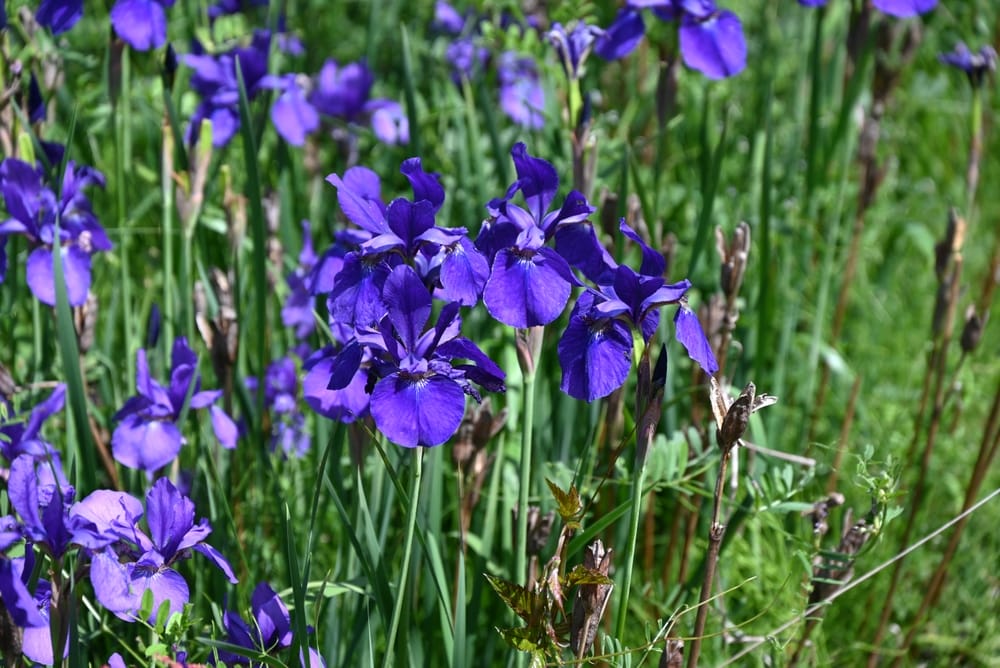
Siberian Irises: The Elegant Spreaders
These graceful irises love to expand underground, quietly forming large networks of rhizomes. When blooms begin to dwindle, it’s a clear sign that the clump needs refreshing. Dividing Siberian irises not only restores bloom production but also prevents overcrowding that can stunt growth. The best part is discovering just how many new plants you get from a single division. Replant them where they’ll get good sun, and they’ll reward you with lush spring displays year after year.
Shasta Daisies: The Cheerful Multipliers
Shasta daisies love to spread, sending up new shoots until they’re practically carpeting your garden. Over time, the center of the clump can die out, leaving an unsightly gap. A quick division every couple of years solves that problem instantly. Once separated, each new group of roots grows vigorously and fills in beautifully. Their tidy white blooms bring a burst of freshness wherever you replant them.
Bee Balm: The Aromatic Powerhouse
Bee balm grows in enthusiastic clusters, and its runners can create dense mats if left unchecked. When airflow decreases, the plant becomes more susceptible to powdery mildew, making division essential for long-term health. Splitting bee balm gives each section more room to breathe and bloom. Replanting divisions around your yard encourages even more hummingbird and pollinator activity. Within a short time, each new grouping stands tall and vibrant, as if it has always belonged there.
Coreopsis: The Sunshine-in-Plant-Form
Coreopsis spreads happily, often forming large, cheerful clumps that eventually crowd themselves. Once the blooming slows or the plant looks tangled, it’s time for a move. Dividing coreopsis gives it the space it needs to keep producing those sunny yellow flowers. Each transplanted division grows quickly, filling in garden gaps with effortless brightness. This is one perennial that responds almost instantly to extra room.
Yarrow: The Tough Beauty That Takes Off
Yarrow thrives under tough conditions, but it can overrun its neighbors when ignored for too long. Its underground stems spread fast, creating dense mats that lead to fewer blooms and leggier growth. Dividing yarrow keeps it controlled and encourages more flowers on stronger stems. Once replanted, it establishes itself quickly, thanks to its resilient nature. You’ll find that splitting yarrow not only refreshes your beds but also gives you plenty of extra plants for sunny, dry spots.
Ready To Revitalize Your Garden?
Splitting and moving perennials isn’t just maintenance—it’s an exciting chance to refresh your entire landscape. Each division gives your plants renewed energy and gives you more greenery to share or relocate. Whether your garden looks crowded, tired, or ready for a makeover, dividing these perennials can spark instant improvement. Give your plants the space they deserve, and they’ll reward you with fuller growth and more vibrant blooms.
Have you recently split or moved perennials in your own garden? Share your experiences, stories, or questions in the comments below.
You May Also Like…
- Why Perennial Beds Benefit From Extra Mulch Now
- 11 Perennials That Should Always Be Mulched in Fall
- 8 Perennials That Should Always Be Cut Back Now
- 9 Crops That Should Be Dug Up Before Heavy Rain
- The Forgotten Step That Protects Outdoor Faucets and Hoses from Cracking

Brandon Marcus is a staff writer for FrugalGardening.com at District Media, Inc., where he delivers practical gardening advice with a relatable, no-nonsense style. An avid amateur gardener, he holds a BA degree and with over ten years of professional writing experience, he is also an award-winning published author whose first book, Questions For Deep Thinkers, was released by Adams Media. His work has appeared in major publications including Fandom.com, CHUD.com, TheColdWire.com, and Fansided.com.
Leave a Reply