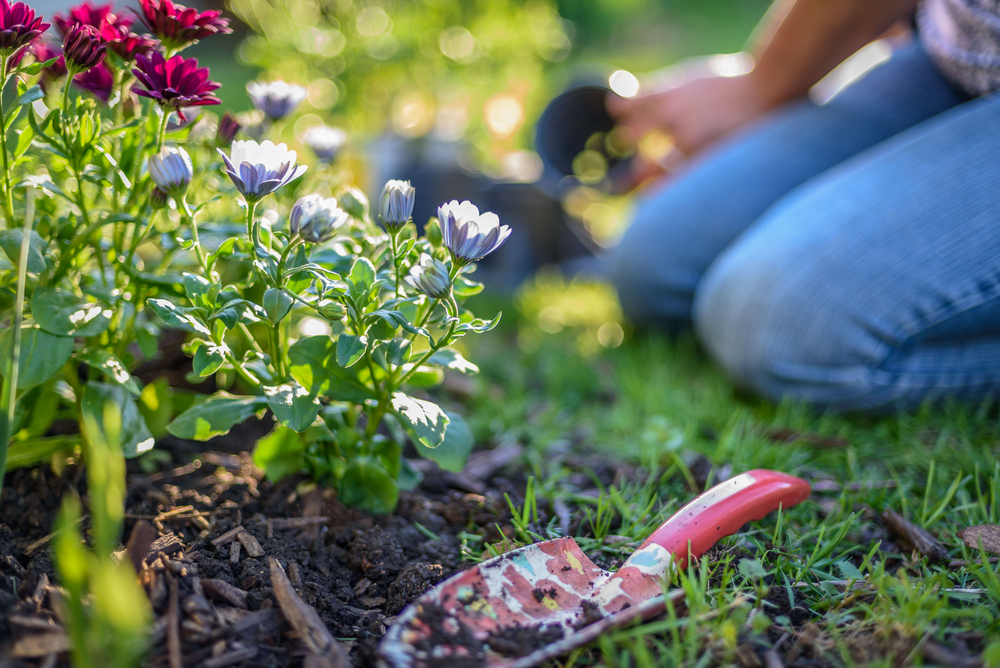
As the air cools and leaves start to tumble, gardeners everywhere begin their fall rituals—raking, pruning, and tucking their flower beds in for winter. But one step that often gets skipped (or done half-heartedly) is mulching. Think of mulch as a cozy blanket for your perennials: it locks in warmth, keeps moisture steady, and prevents those sneaky winter temperature swings from shocking your plants’ roots. Skip it, and you might find your perennials looking more “R.I.P.” than “reblooming” come spring.
If you want your garden to burst back to life next year instead of limping along, these eleven perennials absolutely deserve a mulch makeover this fall.
1. Hostas
Few perennials are as beloved—and as vulnerable—as hostas. Their broad, lush leaves make them summer showstoppers, but once frost hits, they retreat underground and rely on their roots to survive the cold. Mulching hostas helps insulate their root crowns from freeze-thaw cycles that can cause damage. A two-to-three-inch layer of shredded bark or compost will do the trick. Come spring, you’ll be rewarded with healthier, fuller leaves that practically glow with gratitude.
2. Peonies
Peonies are the grand dames of the garden—glamorous, long-lived, and worth every ounce of effort. But despite their hardiness, their fleshy roots hate sudden freezes. Mulching after the first frost provides a protective cushion that prevents those tender roots from being damaged by temperature swings. Use straw, pine needles, or shredded leaves to help peonies rest easy through the cold season. When they awaken in late spring, their blooms will be as big and bold as ever.
3. Daylilies
Daylilies might look tough, but even these sturdy survivors appreciate a warm cover during winter. Their crowns sit near the soil surface, which makes them vulnerable to frost heaving—when soil freezes and thaws repeatedly, pushing plants up and out of the ground. Mulching keeps soil temperatures stable and roots safely tucked in. Choose organic mulch that will decompose slowly, feeding the soil over time. When spring rolls around, your daylilies will leap out of dormancy ready to impress.
4. Coneflowers (Echinacea)
These cheerful pollinator magnets are strong, but a little TLC goes a long way. Coneflowers have deep roots that help them survive tough winters, yet a protective mulch layer helps lock in moisture and shield the crown from frost. Mulching also helps prevent weeds from taking over their space during dormancy. Use compost or chopped leaves for a natural, nutrient-boosting cover. The payoff? Bigger blooms and sturdier stems next season.
5. Black-Eyed Susans (Rudbeckia)
Black-eyed Susans are practically synonymous with late-summer gardens, but when cold weather sets in, their crowns need a buffer. Mulch protects these golden beauties from fluctuating soil temperatures and keeps them from drying out during winter winds. It also helps prevent early sprouting if you get an unseasonably warm spell in February or March. A layer of organic mulch—about two inches—is perfect. Next summer, your garden will explode with sunny, golden blooms that thank you for your foresight.
6. Coral Bells (Heuchera)
These colorful foliage plants are stunning in borders and containers but notorious for “heaving” out of the ground during winter. That’s where mulch comes in—it acts like an anchor, holding the soil (and the plant) in place. Mulch also protects the shallow root systems that coral bells depend on. Go for shredded bark or leaf mold for best results. When spring returns, you’ll have vibrant, healthy foliage that makes your garden glow.
7. Sedum
Sedum (also known as stonecrop) is deceptively tough, but even these hardy succulents need some insulation in colder regions. Mulching around sedum helps prevent the soil from becoming too dry or too soggy—both of which can be deadly during winter dormancy. It also shields the crown from frost and keeps weeds at bay when the plants are resting. Choose a light mulch like pine needles that won’t hold excess moisture. Once warm weather returns, your sedum will bounce back plump and picture-perfect.
8. Shasta Daisies
There’s something timeless about a patch of bright white Shasta daisies, but they need protection to come back strong each year. Their root systems are shallow, making them vulnerable to harsh freezes and winter winds. Mulching keeps the soil consistently moist and prevents temperature shock. It also reduces the chance of fungal diseases that thrive in fluctuating conditions. Come June, your daisies will reward you with that classic, cheerful bloom every gardener loves.
9. Phlox
Phlox may look delicate, but this fragrant favorite can hold its own—if given the right care. Mulching in fall helps protect its shallow roots and maintain moisture during dry winter months. It also discourages weeds that could compete for nutrients in spring. Organic mulch such as composted leaves or fine bark provides nutrients as it breaks down, enriching the soil. When phlox bursts into its sweet-smelling blossoms next year, you’ll know that mulch made all the difference.
10. Bleeding Hearts
Few plants capture the heart like bleeding hearts—those romantic, heart-shaped blooms are pure garden poetry. But their roots are sensitive to frost and benefit greatly from an insulating layer of mulch. Spread a few inches of leaf mulch or compost over the soil after the plant has died back for the season. This keeps the soil temperature steady and prevents the roots from drying out. When spring arrives, you’ll see those graceful arching stems rise up healthy and strong.
11. Lavender
Lavender’s Mediterranean origins mean it craves warmth, even when planted in cooler climates. Without protection, winter winds can dry it out and damage its woody stems. Mulching keeps the root zone insulated and shields it from ice-cold soil. Use gravel or a light organic mulch that drains well—lavender hates sitting in soggy conditions. You’ll notice next summer that your lavender not only survives but thrives, producing more fragrant blooms than ever before.
Give Your Garden Its Winter Blanket
Mulching isn’t just a finishing touch—it’s a survival strategy. These eleven perennials depend on that extra layer of warmth and stability to make it through winter unscathed. By taking the time to mulch in the fall, you’re giving your plants a head start on spring, ensuring stronger roots, healthier growth, and a more vibrant bloom season. So grab your rake, your wheelbarrow, and your favorite mulch, and show your garden some love before the frost settles in for good.
Have you tried mulching your perennials in fall? Share your experiences, tips, or questions in the comments below.
You May Also Like…
8 Perennials That Should Always Be Cut Back Now
How to Save Money Buying Fall Perennials
Why Straw Mulch Protects Roots in Cold Weather
How to Use Pine Needles as Mulch Without Harming Soil
Why Bees Seek Late-Blooming Flowers in Autumn

Brandon Marcus is a staff writer for FrugalGardening.com at District Media, Inc., where he delivers practical gardening advice with a relatable, no-nonsense style. An avid amateur gardener, he holds a BA degree and with over ten years of professional writing experience, he is also an award-winning published author whose first book, Questions For Deep Thinkers, was released by Adams Media. His work has appeared in major publications including Fandom.com, CHUD.com, TheColdWire.com, and Fansided.com.
Leave a Reply