A tiny garden does not limit ambition—it challenges it. A compact patch of soil can deliver baskets of fresh vegetables, bursts of herbs, and a steady supply of homegrown flavor when every inch works hard and smart. Space might feel like the biggest obstacle, but clever design and strategic planting can turn even the smallest setup into a powerhouse of productivity. Anyone willing to rethink traditional rows and spacing can unlock a completely different level of gardening success.
Big harvests come from bold choices, not bigger plots. Gardeners who focus on efficiency, layering, and timing often outproduce those with sprawling spaces and scattered plans. The secret lies in stacking, pairing, and rotating crops in ways that keep soil busy and plants thriving. With a little planning and a willingness to experiment, even a balcony or a modest backyard can feel like a full-scale farm in disguise.
Grow Up, Not Out: Vertical Gardening That Actually Works
Flat gardens waste potential, plain and simple. Vertical gardening flips that idea on its head by turning fences, trellises, and even walls into productive growing zones. Climbing crops like peas, cucumbers, and beans naturally reach upward, so giving them support frees up valuable ground space for other plants. A sturdy trellis or a simple net system can double or triple the usable area without adding a single square foot of soil. That kind of efficiency changes everything, especially in tight spaces where every inch matters.
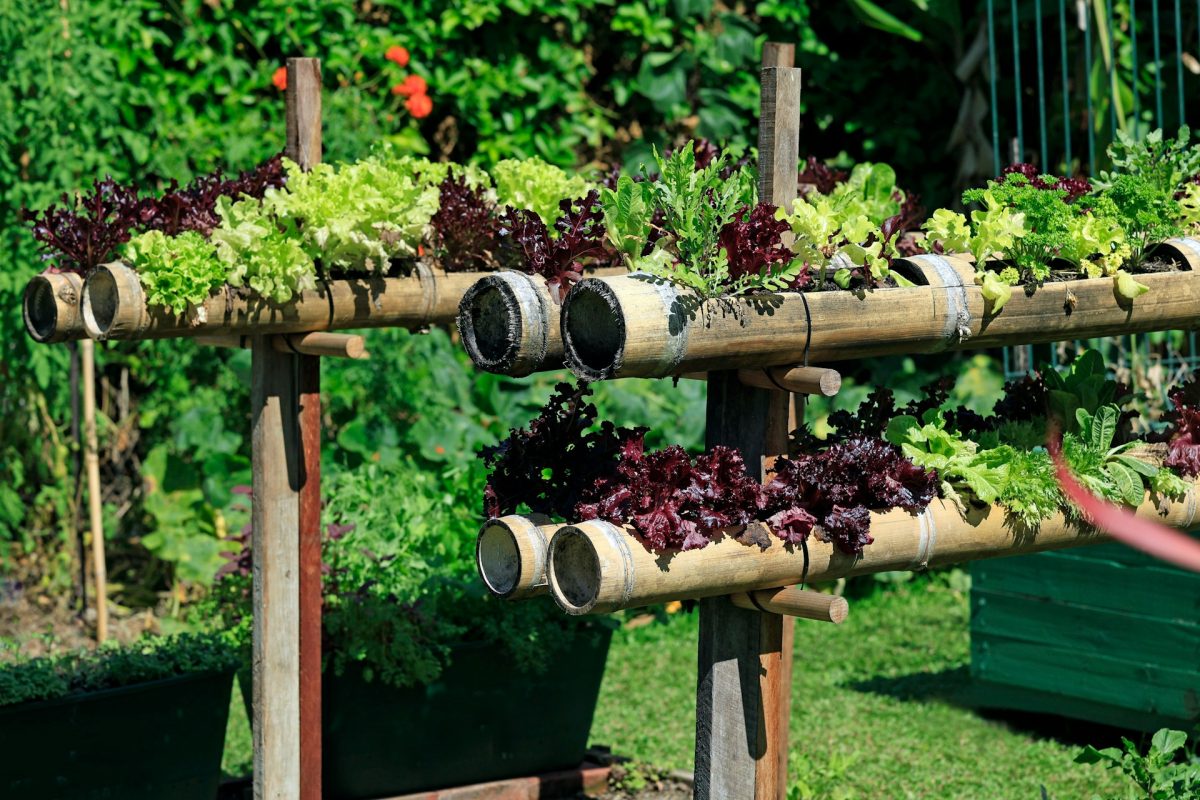
Vertical setups also improve airflow and reduce disease, which keeps plants healthier and more productive over time. Sunlight reaches more of the plant when it climbs, and that leads to stronger growth and better yields. Hanging planters and stacked containers can add another layer of productivity, especially for herbs and leafy greens that don’t need deep soil. Strawberries thrive in vertical towers, and lettuce grows beautifully in wall-mounted systems. When plants grow upward, gardens feel bigger, cleaner, and far more dynamic.
Creative structures can push this idea even further. Arched trellises over pathways create shaded tunnels filled with edible crops, while ladder-style shelves hold multiple layers of containers in one footprint. Even repurposed materials like pallets can transform into vertical gardens with a bit of effort. The key lies in choosing crops that naturally climb or adapt well to vertical growth, then giving them strong support and consistent care. Watering becomes especially important in vertical systems, so a drip setup or regular attention keeps everything thriving.
Double Duty Beds: Companion Planting That Pulls Its Weight
Plants don’t just grow next to each other—they interact, compete, and sometimes even help each other thrive. Companion planting uses those relationships to boost productivity in a limited space. Pairing crops that complement each other allows gardeners to grow more food in the same area without overcrowding. Basil planted near tomatoes can enhance growth, while carrots and onions share space without stepping on each other’s toes underground. Smart combinations turn a single bed into a multitasking powerhouse.
Dense planting works best when every crop has a purpose and a compatible neighbor. Fast-growing greens like radishes or spinach can fill gaps between slower crops like cabbage or peppers, which ensures that no soil sits idle. That approach squeezes extra harvests out of the same space while also shading soil and reducing weeds. Gardeners who plan these combinations carefully can keep beds productive from early spring through late fall without constant replanting from scratch.
Some plants also act as natural pest control, which reduces the need for chemicals and keeps crops healthier. Marigolds can deter certain insects, while herbs like dill and cilantro attract beneficial bugs that help manage pests. That kind of natural balance creates a stronger, more resilient garden overall. With a bit of research and experimentation, companion planting can transform even a small plot into a well-coordinated ecosystem that produces more than expected.
Succession Planting: Keep the Harvest Coming Nonstop
Empty space in a garden wastes opportunity, and succession planting makes sure that never happens. Instead of planting everything at once, gardeners stagger crops over time to maintain a steady flow of fresh produce. As soon as one crop finishes, another takes its place, keeping the soil constantly in use. That rhythm turns a single growing season into multiple waves of harvests from the same space. It’s one of the simplest ways to dramatically increase output without expanding anything.
Timing plays a huge role here, and a basic planting calendar can make all the difference. Quick crops like lettuce, radishes, and arugula mature fast, which makes them perfect for filling gaps between longer-growing vegetables. After harvesting early crops, gardeners can immediately plant beans, carrots, or even a second round of greens. This cycle continues throughout the season, creating a continuous loop of planting and harvesting that maximizes efficiency.
Weather and crop selection also influence success with this method. Cool-season crops thrive early and late in the season, while heat-loving plants take over during the peak of summer. Mixing those types strategically ensures that something always grows, no matter the time of year. A garden that never sits idle produces far more food than one that follows a single planting schedule. With a little planning and consistent attention, succession planting can turn a modest garden into a nonstop production zone.
Container Power Moves: Small Pots, Big Yields
Containers often get underestimated, but they can outperform traditional beds when used strategically. They allow complete control over soil quality, placement, and spacing, which makes them perfect for maximizing production in tight areas. A single container can host multiple plants when arranged thoughtfully, especially when combining shallow-rooted crops with deeper ones. This layered approach creates mini ecosystems that pack a lot of productivity into a small footprint.
Mobility adds another advantage that traditional gardens simply can’t match. Containers can move to chase sunlight, avoid harsh weather, or make room for new plantings. That flexibility keeps plants in optimal conditions, which leads to better growth and higher yields. Herbs, peppers, cherry tomatoes, and leafy greens all thrive in containers when given the right care. Choosing compact or dwarf varieties can push productivity even further without overwhelming the space.
Smart container gardening also focuses on efficient watering and feeding. Smaller soil volumes dry out faster, so consistent moisture becomes essential for healthy growth. Adding compost or slow-release fertilizer keeps nutrients available, which supports continuous production. Stacking containers on shelves or arranging them in tiers creates a layered garden effect that multiplies output. With the right setup, containers can transform patios, balconies, and small yards into highly productive growing spaces.
Smart Spacing: Break the Rules and Reclaim the Garden
Traditional spacing guidelines often leave too much empty ground, especially in small gardens. Intensive planting techniques challenge those rules by placing crops closer together in carefully planned patterns. Square foot gardening, for example, divides space into small sections and fills each one with a specific number of plants based on their size. This method eliminates wasted space and keeps every inch productive.
Closer spacing also helps shade the soil, which reduces evaporation and suppresses weeds naturally. That creates a more efficient growing environment where plants support each other instead of competing unnecessarily. The trick lies in choosing compatible crops and maintaining healthy soil so that nutrients remain available despite the tighter layout. Regular feeding and watering become even more important when plants grow closer together.
Gardeners who adopt intensive spacing often see higher yields in smaller areas without sacrificing quality. Leafy greens, root vegetables, and compact fruiting plants all respond well to this method when managed properly. It takes a bit of practice to find the right balance, but the payoff can be impressive. A garden that once felt limited can suddenly feel abundant, all because of smarter spacing choices.
Small Space, Serious Harvest
A small garden doesn’t demand compromise—it demands creativity and intention. Every technique, from vertical growing to succession planting, builds toward the same goal: more food from the same footprint. When these strategies work together, they create a system that stays productive, efficient, and surprisingly abundant. Even the tiniest spaces can deliver impressive harvests with the right approach and a bit of persistence.
The real magic happens when experimentation enters the mix. Trying new plant combinations, adjusting layouts, and learning from each season can push results even further. No garden stays static, and that constant evolution keeps things exciting and rewarding. The space may stay the same, but the output can grow dramatically with each smart decision.
Which of these strategies feels like the game-changer, and what creative ideas could take things even further? Give us your thoughts, plans, or favorite techniques in the comments and keep the inspiration growing.
You May Also Like…
Vertical Gardeners Warned: These Popular Plants Are Failing in Winter Conditions
6 DIY Trellis Designs That Support Plants Without Breaking Your Budget
The Container Gardening Trick That Saves Space and Boosts Yield
Why Some Garden Plants Suddenly Stop Growing and How to Fix It
Why Early Planting Can Backfire

Brandon Marcus is a staff writer for FrugalGardening.com at District Media, Inc., where he delivers practical gardening advice with a relatable, no-nonsense style. An avid amateur gardener, he holds a BA degree and with over ten years of professional writing experience, he is also an award-winning published author whose first book, Questions For Deep Thinkers, was released by Adams Media. His work has appeared in major publications including Fandom.com, CHUD.com, TheColdWire.com, and Fansided.com.
Leave a Reply