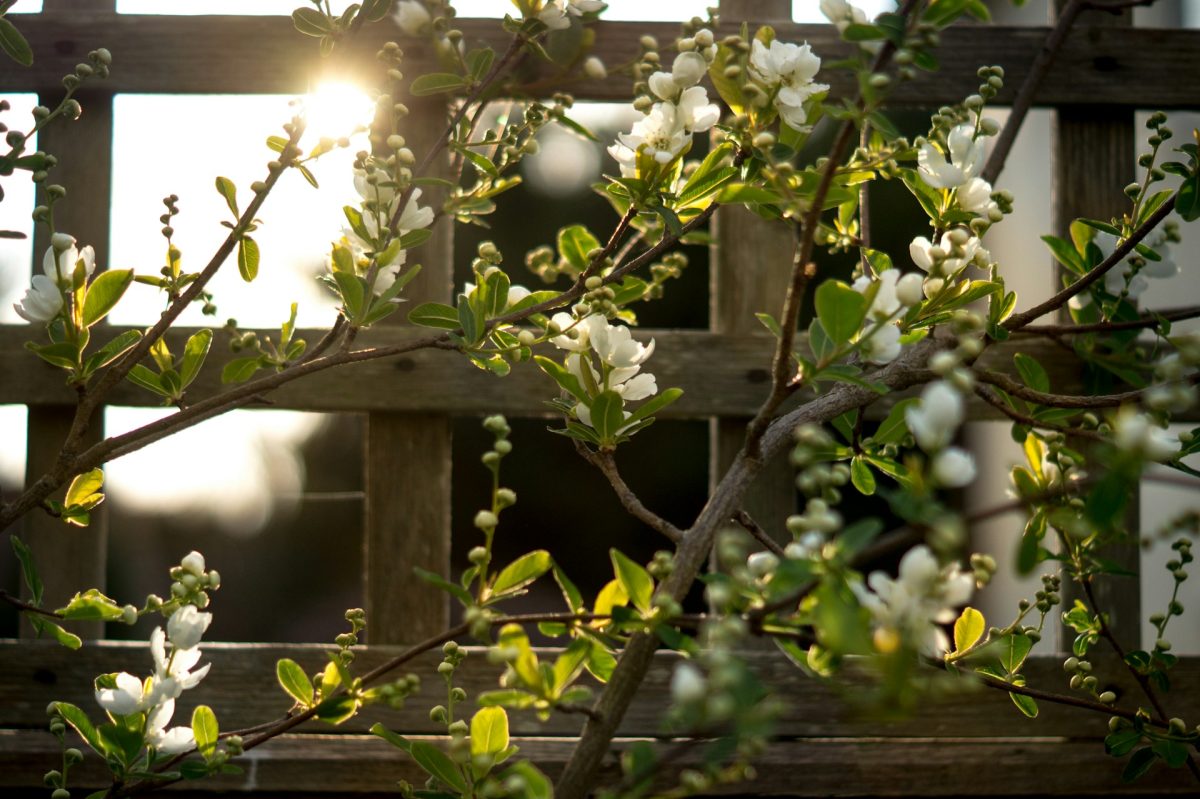
Plants don’t wait politely. They stretch, climb, sprawl, and take over anything within reach, turning a tidy garden into a tangled mess in record time. That wild energy looks beautiful, but without support, it leads to broken stems, uneven growth, and a garden that feels more chaotic than charming. A trellis solves that problem fast, giving plants direction, structure, and a chance to thrive in a way that actually looks intentional.
A solid trellis doesn’t need to cost a fortune or involve complicated tools that gather dust afterward. With a little creativity and a few simple materials, anyone can build something sturdy, stylish, and surprisingly durable. This lineup of DIY trellis designs delivers exactly that, mixing practicality with personality so every plant gets the support it deserves without draining the wallet.
1. The Classic Wooden Lattice That Never Fails
A wooden lattice trellis stands as the ultimate go-to for a reason, and it earns that reputation every single season. Thin strips of wood crisscross into a grid that climbing plants absolutely love, offering plenty of spots for tendrils to latch onto and grow upward with confidence. Hardware stores often sell pre-made lattice panels at affordable prices, which means this project skips the complicated measuring and cutting that slows things down. A quick frame built from inexpensive lumber adds strength and helps the trellis stand upright without wobbling in the wind. Even a basic coat of weather-resistant sealant extends the lifespan, keeping the wood from warping or rotting after a few rainy days. Gardeners can lean the structure against a wall or secure it directly into the ground for extra stability. That flexibility makes it a perfect choice for beginners who want results without frustration.
This design also delivers serious visual appeal, transforming plain garden spaces into something that feels organized and thoughtfully designed. Climbing roses, peas, and cucumbers weave through the lattice effortlessly, creating a lush wall of greenery that doubles as natural decor. A splash of paint in a bold color can turn the trellis into a standout feature, while a neutral stain keeps things classic and understated. The grid pattern encourages even growth, which means fewer tangled messes and healthier plants overall. With minimal cost and maximum payoff, this option continues to dominate backyard gardens everywhere. Anyone looking for a reliable, no-fuss solution will find this design hard to beat.
2. Bamboo Stakes That Bring Instant Zen Energy
Bamboo stakes step in as one of the most affordable and eco-friendly trellis options available, and they deliver both function and style without trying too hard. Garden centers sell bundles of bamboo for surprisingly low prices, making it easy to build a tall, supportive structure without overspending. Arranging the stakes into a teepee or fan shape creates a natural framework that climbing plants quickly embrace. Twine or garden wire ties everything together, forming a sturdy structure that handles wind and weight with ease. Bamboo’s natural strength allows it to support heavier plants like beans and tomatoes without bending under pressure. Its lightweight nature also makes repositioning simple, so adjustments happen without hassle. That combination of strength and flexibility keeps this design practical for all kinds of gardens.
Beyond function, bamboo brings a relaxed, organic look that blends seamlessly into outdoor spaces. The warm tones complement greenery beautifully, creating a setup that feels calm and cohesive rather than overly structured. This design works especially well in smaller gardens where bulky materials might feel overwhelming. Gardeners can experiment with different shapes, adding horizontal supports for extra climbing options or weaving thin branches between stakes for a custom touch. Regular checks ensure the ties stay secure, especially during periods of rapid growth when plants add extra weight. With almost no waste and minimal cost, bamboo proves that simple solutions often deliver the best results.
3. Repurposed Ladder Trellis That Turns Heads
An old ladder might look like junk at first glance, but it holds incredible potential as a trellis that combines charm with practicality. Wooden ladders already feature evenly spaced rungs, which act as perfect climbing points for vines and other upward-growing plants. Standing the ladder upright or leaning it against a wall instantly creates a vertical garden feature without any complicated construction. A quick sanding and a coat of outdoor paint or sealant refresh the wood, protecting it from the elements while adding personality. This approach saves money and keeps usable materials out of landfills, which adds an extra layer of satisfaction to the project. Gardeners can even attach small planters to the rungs for a layered look that adds depth and variety. That versatility makes the ladder trellis a standout choice for creative spaces.
The visual impact alone makes this design worth considering, especially for anyone who wants a garden that feels unique and full of character. Climbing flowers cascade beautifully down the sides, while herbs or smaller plants fill the steps with bursts of greenery. The structure also works well on patios or balconies, where space remains limited but style still matters. Stability becomes key here, so securing the base or anchoring the ladder ensures it stays upright during windy days. Regular maintenance keeps the wood in good condition, extending its life and preserving its charm. This design turns something forgotten into something functional, proving that creativity often beats expensive solutions.
4. Wire Grid Trellis for a Modern Edge
A wire grid trellis delivers a sleek, minimalist look that fits perfectly into modern garden designs while still providing strong support for climbing plants. Hardware cloth or welded wire panels create a durable framework that holds up against weather and heavy growth. Mounting the grid onto a simple wooden frame adds structure and makes installation straightforward. This setup works particularly well for vegetables like cucumbers and squash, which need strong support as they grow quickly and produce heavy fruit. The open design allows air to circulate freely, reducing the risk of mildew and other plant diseases. That added airflow helps plants stay healthier and more productive throughout the season. With a few basic tools, this project comes together quickly and efficiently.
The clean lines of a wire grid trellis create a polished look that stands out without overpowering the garden. Painting the frame in a bold or contrasting color adds a modern twist, turning the trellis into a subtle design statement. This option also adapts easily to different spaces, whether mounted against a wall or used as a freestanding divider.
Gardeners can customize the size to fit specific needs, making it a flexible solution for both small and large areas. Regular checks for rust or loose connections keep the structure safe and long-lasting. With its blend of durability and style, this trellis proves that practical solutions can still look incredibly sharp.
5. String Trellis That Works Like Magic
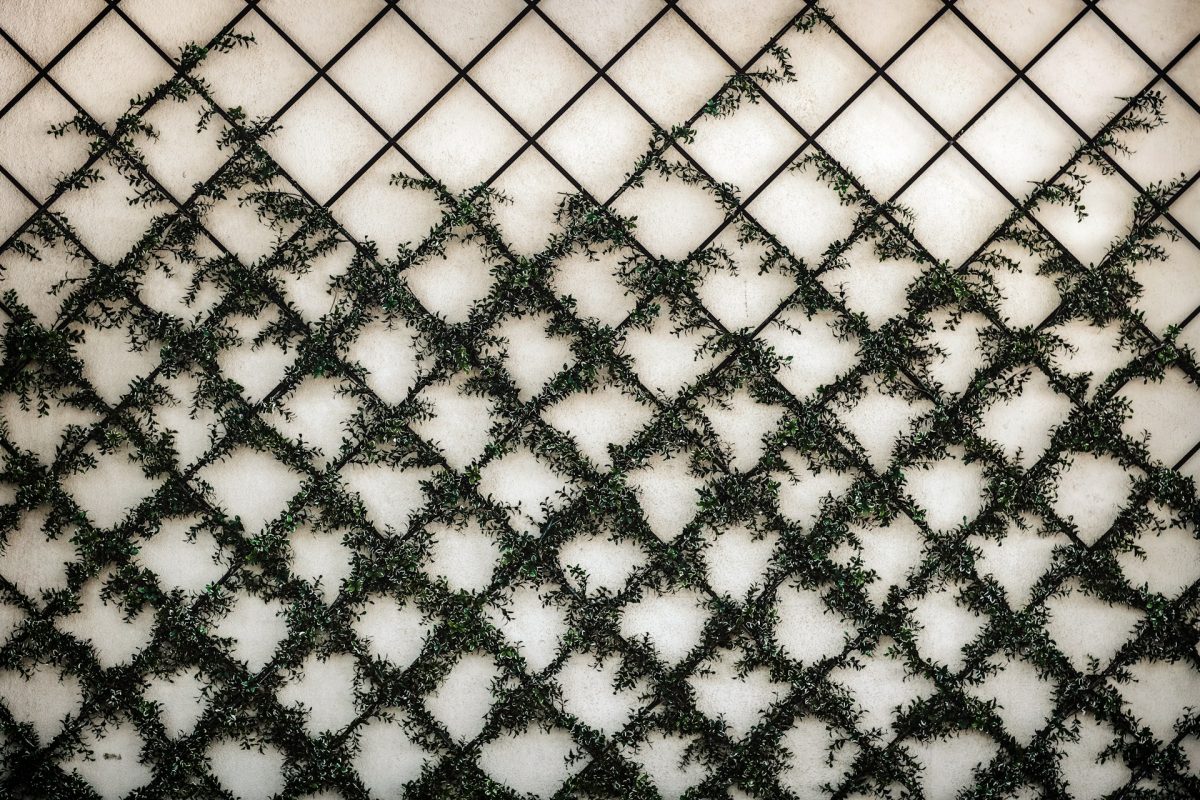
A string trellis might sound almost too simple, but it delivers impressive results with minimal materials and effort. Strong garden twine or nylon string attaches to a sturdy frame or overhead support, creating vertical lines that plants eagerly climb. This design works especially well for lightweight climbers like peas and beans, which wrap around the strings naturally as they grow. Setting up the structure takes very little time, making it a perfect option for quick garden upgrades. Adjusting the spacing between strings allows for better organization, ensuring each plant gets enough room to thrive. This setup also makes harvesting easier, since everything grows neatly in one direction. With almost no cost involved, this option fits even the tightest budgets.
Despite its simplicity, a string trellis requires thoughtful setup to ensure it holds up throughout the growing season. Anchoring the strings securely prevents sagging or snapping under the weight of mature plants. Using durable materials extends the lifespan, reducing the need for constant replacements. This design works particularly well in raised beds or along fences, where existing structures provide natural support. Gardeners can even create angled lines to guide growth in a specific direction, adding a bit of strategy to the setup. The result feels surprisingly effective for something so basic, proving that great gardening solutions don’t always need complexity. Sometimes, a bit of string and a smart setup do the job perfectly.
6. PVC Pipe Trellis That Balances Strength and Simplicity
PVC pipe might not scream “garden charm” at first glance, but it delivers unmatched durability and flexibility for a DIY trellis. Lightweight pipes connect easily using standard fittings, allowing for a wide range of shapes and sizes. Building an arch or rectangular frame creates a strong structure that supports heavier plants like tomatoes and squash without bending. The material resists moisture, which means it won’t rot or warp after exposure to rain. That reliability makes it a smart long-term investment, especially for gardeners who want something that lasts. Adding netting or string across the frame gives plants plenty of surfaces to climb. With a simple saw and a few connectors, this project comes together faster than expected.
Customization sets this design apart, offering endless possibilities for creative setups. Painting the pipes can soften the industrial look, helping the trellis blend more naturally into the garden. This structure works well as a walkway feature, creating a tunnel effect covered in lush greenery. Anchoring the base ensures stability, especially in areas with strong winds or uneven ground. Regular inspections keep the connections secure, maintaining the structure’s strength over time. This trellis combines practicality with adaptability, making it a favorite for anyone who values both function and longevity. It proves that even unconventional materials can shine in the right setup.
Strong Plants & Smart Spending
Great gardens don’t depend on expensive tools or fancy materials. They thrive on smart choices, a bit of creativity, and structures that support growth without draining resources. Each of these trellis designs offers a different approach, but they all share one thing in common: they make gardening easier, more organized, and far more enjoyable. Supporting plants properly leads to healthier growth, better yields, and a space that feels intentional instead of chaotic. With so many affordable options available, there’s no reason to let plants struggle or sprawl out of control. A well-placed trellis turns even the simplest garden into something that looks and feels elevated.
The real magic happens when function meets personality, and these DIY ideas make that balance easy to achieve. Whether the goal leans toward rustic charm, modern style, or something completely unique, there’s a solution that fits without stretching the budget. Trying one of these designs could completely change how a garden grows and feels throughout the season.
Which trellis idea stands out the most, and what creative twist could make it even better? Drop thoughts, ideas, or favorite DIY strategies in the comments and keep the inspiration growing.
You May Also Like…
Why You Should Build Trellises and Pergolas During Winter Downtime
This DIY Cold Frame Design Is Collapsing Under Snow — And Causing Injuries
8 Tips For Designing Your Garden For Efficiency
How to Redesign Your Bulb Garden After This Year’s Mistakes
Design a Winter Garden That Looks Just as Good Without Flowers

Brandon Marcus is a staff writer for FrugalGardening.com at District Media, Inc., where he delivers practical gardening advice with a relatable, no-nonsense style. An avid amateur gardener, he holds a BA degree and with over ten years of professional writing experience, he is also an award-winning published author whose first book, Questions For Deep Thinkers, was released by Adams Media. His work has appeared in major publications including Fandom.com, CHUD.com, TheColdWire.com, and Fansided.com.
Leave a Reply