
Imagine walking onto your balcony, patio, or tiny backyard and being greeted by a jungle of thriving tomatoes, peppers, strawberries, and herbs—all growing in neat little towers that look like something out of a futuristic farm. No sprawling garden beds, no weeding on your knees, no wasted space. Just lush plants stacked vertically, producing more food than you thought possible in such a small footprint.
The secret? A container gardening trick that serious growers and weekend hobbyists alike are calling a total game-changer: vertical container gardening.
Why Traditional Containers Waste Potential
Standard containers are great, but they often leave you working horizontally, spreading pots across patios or lining them up like a plant parade. The problem is that this approach eats up valuable space, especially for urban gardeners working with limited square footage. Once your pots take over, you’re out of room for anything else. Vertical containers, on the other hand, allow you to build upward, stacking layers of soil and plants like a delicious green wedding cake. The result? You maximize yield without needing an acre of land.
The Genius Behind Going Vertical
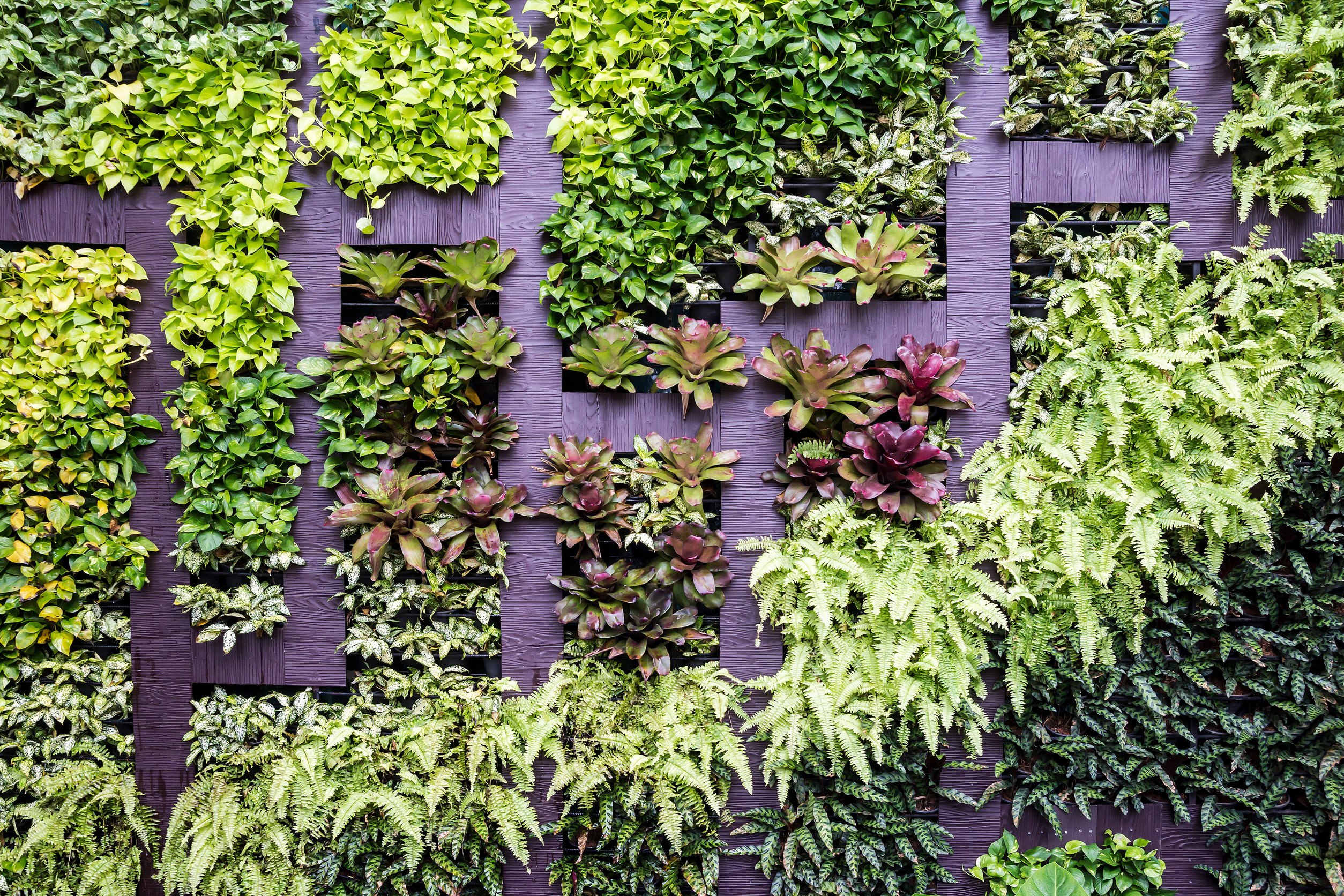
Vertical container gardening is like apartment living for plants—everyone gets their own level but shares the same building. By stacking containers or using specially designed tower planters, you give multiple plants access to sunlight without competing for the same ground space. Water trickles down from the top layer to the bottom, reducing waste and ensuring everyone stays hydrated. This setup also keeps roots healthier, as airflow is naturally better in a vertical system. It’s efficient, stylish, and surprisingly easy to maintain once you set it up.
Perfect Plants for Vertical Containers
Not every plant thrives in a vertical garden, but many will absolutely love it. Strawberries, leafy greens, herbs, and cherry tomatoes are practically born for tower living. Compact peppers and even some root crops like radishes can flourish in stacked containers, too. The key is to focus on plants that don’t need deep soil but benefit from consistent sun and water. Once you see how much you can grow in such a small space, you’ll wonder why you didn’t try this trick sooner.
How Vertical Gardening Boosts Yield
The magic of vertical containers isn’t just about saving space—it’s about producing more food per square foot. By stacking plants, you’re multiplying your growing surface area without expanding your footprint. Each layer captures sunlight at a different angle, reducing overcrowding and maximizing photosynthesis. Plus, watering from the top ensures nutrients flow downward, feeding multiple plants at once. More plants in less space equals more harvests—an equation every gardener dreams of.
Space-Saving Designs That Work Anywhere
You don’t need a fancy setup to get started with vertical container gardening. Some gardeners DIY their own towers using stacked buckets or repurposed shelving, while others invest in sleek, ready-made tower systems. Even hanging baskets can mimic the same effect if layered thoughtfully. Whether you’re in a city apartment with a balcony or a suburban backyard, vertical gardening adapts beautifully. The trick is to start small and experiment until you find the design that works best for your space and plants.
The Added Perks Nobody Talks About
Sure, saving space and boosting yield are the headline benefits, but there are extra perks that make vertical gardening irresistible. For starters, fewer weeds make it less of a chore to maintain. Pests often find it harder to climb their way through a tower system compared to sprawling ground beds. Harvesting is easier on your back since you’re not constantly bending down. And let’s be honest—it looks impressive, like you’ve turned your home into a mini urban farm straight out of a magazine spread.
Common Mistakes and How to Avoid Them
Like any gardening method, vertical containers come with a learning curve. Overcrowding plants is the most common mistake—more levels don’t always mean cramming in more seeds. Neglecting water distribution is another issue; while water flows downward, the top layers can dry out faster. Using poor-quality soil can also stunt growth since each plant relies heavily on nutrient-rich mixes. With a little attention and adjustment, though, these problems are easy to fix and rarely stand in the way of success.
Grow More, Stress Less
Vertical container gardening is the space-saving, yield-boosting trick that makes gardening more accessible and more rewarding than ever. Whether you’re a newbie with a balcony or a seasoned grower looking to maximize harvests, this method opens the door to smarter planting. The benefits go beyond just efficiency—they include healthier plants, easier maintenance, and an aesthetic that makes you proud to show off your green thumb.
Have you tried vertical container gardening, or do you have your own tricks for saving space and boosting yield?
Share your stories, tips, or even pictures in the comments below—we’d love to hear about your gardening adventures.
You May Also Like…
- What Is The Best Soil For Container Gardening?
- 10 Of The Best Places To Buy Cheap Gardening Supplies
- How to Make Your Garden Pollinator-Friendly Without Buying a Single Bee House
- The One Plant That Can Save Your Entire Garden From Aphids
- Seed Starting on a Budget Series: DIY Containers

Brandon Marcus is a staff writer for FrugalGardening.com at District Media, Inc., where he delivers practical gardening advice with a relatable, no-nonsense style. An avid amateur gardener, he holds a BA degree and with over ten years of professional writing experience, he is also an award-winning published author whose first book, Questions For Deep Thinkers, was released by Adams Media. His work has appeared in major publications including Fandom.com, CHUD.com, TheColdWire.com, and Fansided.com.
Leave a Reply