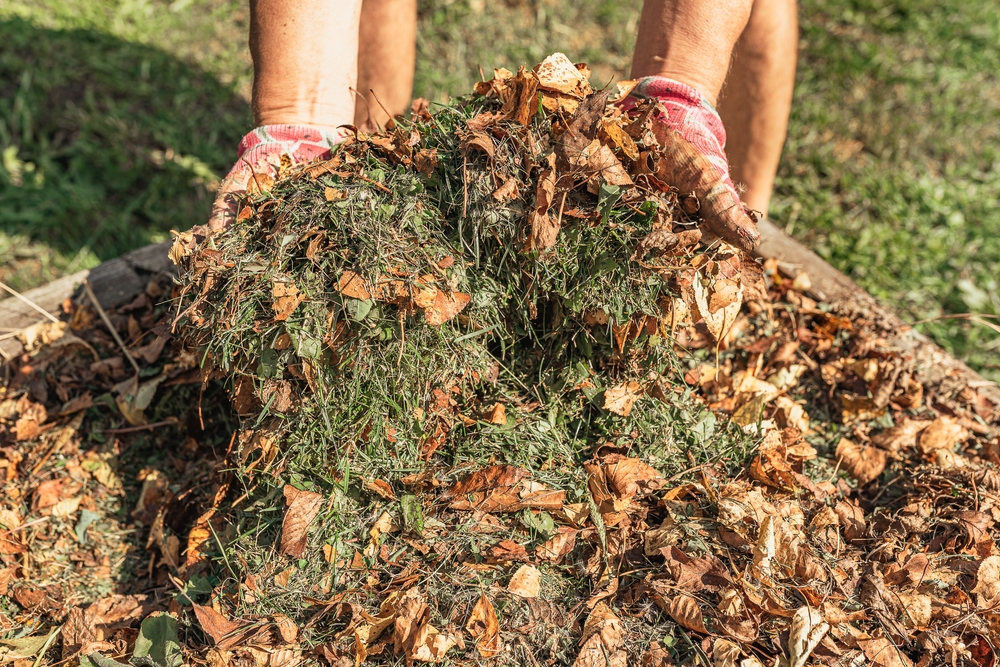
Picture this: a crisp autumn afternoon, trees blazing in shades of amber and gold, leaves tumbling lazily to the ground. Most people see those fallen leaves as a chore waiting to happen—a weekend spent raking, bagging, and sweating.
But here’s the secret your yard’s been trying to tell you: those leaves aren’t waste. They’re one of nature’s best defenses against soil erosion, the sneaky process that steals away your garden’s fertility one rainstorm at a time. In fact, mulched leaves are like a superhero cape for your soil—protective, regenerative, and completely free.
The Natural Armor Beneath Your Feet
When you mulch leaves instead of removing them, you’re essentially giving your soil a protective armor. Think of it as a shield that guards against the relentless impact of rain, wind, and runoff. Bare soil is vulnerable—raindrops hit it like tiny hammers, loosening particles that are easily swept away. Mulched leaves, on the other hand, absorb that impact and reduce the splash effect that leads to erosion. By keeping soil in place and moisture locked in, this leafy armor maintains a stable foundation for roots to grow strong and deep.
The Secret Science of Leaf Mulch
So, what makes mulched leaves so effective? It’s all about structure and texture. When shredded leaves settle on the ground, they create a porous blanket that slows water movement and encourages absorption instead of runoff. This process allows rainwater to soak gently into the soil rather than racing away and dragging nutrients along with it. Over time, microorganisms and earthworms move in, breaking down the leaves and enriching the soil with organic matter—essentially turning yesterday’s litter into tomorrow’s life source.
The Power of Decomposition
Decomposition might not sound glamorous, but it’s a natural magic show happening right under your nose. As mulched leaves break down, they release valuable nutrients like nitrogen, phosphorus, and potassium—key ingredients for plant health. This slow, steady feeding strengthens plant roots and increases their ability to hold soil together. Stronger roots mean less erosion, especially during heavy rains or dry spells. Plus, the organic matter that forms during decomposition improves soil texture, helping it hold water more efficiently and resist future erosion.
How Mulching Helps During Heavy Rain
When a downpour hits, bare soil turns into a mess. Water streams across the surface, carving little gullies and washing away precious topsoil. Mulched leaves act like a sponge, absorbing and dispersing rainfall evenly. Instead of pooling and flooding, the water trickles through the mulch and infiltrates the soil slowly. This not only prevents erosion but also reduces runoff that can carry pollutants into local waterways—a win for your garden and the environment.
Leaf Mulch and Wind Erosion
Rain isn’t the only culprit in soil erosion—wind can be just as damaging, especially in open spaces or dry climates. Mulched leaves create a textured surface that disrupts airflow, preventing wind from lifting and carrying away soil particles. The mulch also traps moisture, making the soil heavier and less likely to blow away. Over time, this barrier builds a more stable soil structure, even during windy seasons. It’s like anchoring your soil with a natural, breathable blanket that doesn’t just sit there—it actively protects.
Encouraging Root Stability
Healthy roots are the unsung heroes of erosion prevention. Mulched leaves keep the topsoil cool and moist, creating an ideal environment for roots to grow deeper and stronger. Deep roots hold the earth together like invisible cables, anchoring the soil even in rough weather. When roots thrive, they form a living network that resists both water and wind erosion. By simply leaving your mulched leaves where they fall, you’re helping your plants build the underground strength they need to weather any storm.
A Home for Helpful Organisms
One of the most underrated benefits of mulched leaves is the thriving ecosystem they support. Beneath that thin layer of leaf mulch, countless microorganisms, fungi, and insects get to work. These tiny creatures aerate the soil, decompose organic matter, and create nutrient-rich humus. The result is healthier, more resilient soil that’s less likely to compact and wash away. The livelier your soil becomes, the better it can resist erosion and nurture long-term plant growth.
The Year-Round Benefits of Leaf Mulch
Unlike some soil treatments that need frequent maintenance, leaf mulch keeps giving throughout the year. In fall, it cushions your soil from pounding rains. In winter, it insulates roots from freezing temperatures. Come spring, it retains moisture as plants wake up and begin to grow again. By summer, it continues to suppress weeds and protect against dry, eroding soil. It’s a four-season solution that asks for almost nothing in return—just a little shredding and some trust in nature’s process.

Turning Yard Work Into Soil Security
Mulching leaves isn’t just an environmentally friendly choice—it’s a practical one. Instead of bagging leaves and sending them off to landfills, you’re recycling nutrients directly back into your yard. That simple shift transforms your fall cleanup into an act of long-term soil preservation. Your garden will thank you with stronger plants, healthier grass, and richer, darker soil over time. So next time you pick up a rake, consider leaving those leaves where they belong—on the ground, doing their quiet, powerful work.
Let Nature Do the Heavy Lifting
Soil erosion might sound like a distant environmental issue, but it’s happening in backyards and gardens everywhere. The good news? The solution is already falling from the trees. Mulched leaves protect, nourish, and strengthen your soil in ways that even expensive treatments can’t replicate. By harnessing this simple, sustainable method, you give your landscape a natural defense system that works all year long.
Have you tried using leaf mulch to combat erosion? Share your experiences, tips, or even your best leaf-mulching hacks in the comments below.
You May Also Like…
11 Perennials That Should Always Be Mulched in Fall
Why Straw Mulch Protects Roots in Cold Weather
How to Use Pine Needles as Mulch Without Harming Soil
10 Ways Fallen Leaves Feed Your Soil
How to Balance Soil pH Before Winter

Brandon Marcus is a staff writer for FrugalGardening.com at District Media, Inc., where he delivers practical gardening advice with a relatable, no-nonsense style. An avid amateur gardener, he holds a BA degree and with over ten years of professional writing experience, he is also an award-winning published author whose first book, Questions For Deep Thinkers, was released by Adams Media. His work has appeared in major publications including Fandom.com, CHUD.com, TheColdWire.com, and Fansided.com.
Leave a Reply