By late summer, some annuals look less like garden stars and more like they need a vacation. Petunias stretch, marigolds lose their swagger, and once-lush containers can develop suspicious-looking bare spots that seem to appear overnight. Instead of automatically buying another flat of annuals, gardeners can tuck in plants that offer lasting foliage, flowers, texture, or ground cover.
The trick involves choosing plants that match the spot rather than grabbing whatever looks pretty at the garden center. Light, drainage, soil moisture, mature size, and winter hardiness all matter, especially when a plant needs to settle in during warm weather. These five choices can rescue an awkward hole now while giving the garden something useful to work with long after the annuals disappear.
1. Coral Bells Bring Color Without Needing Constant Flowers
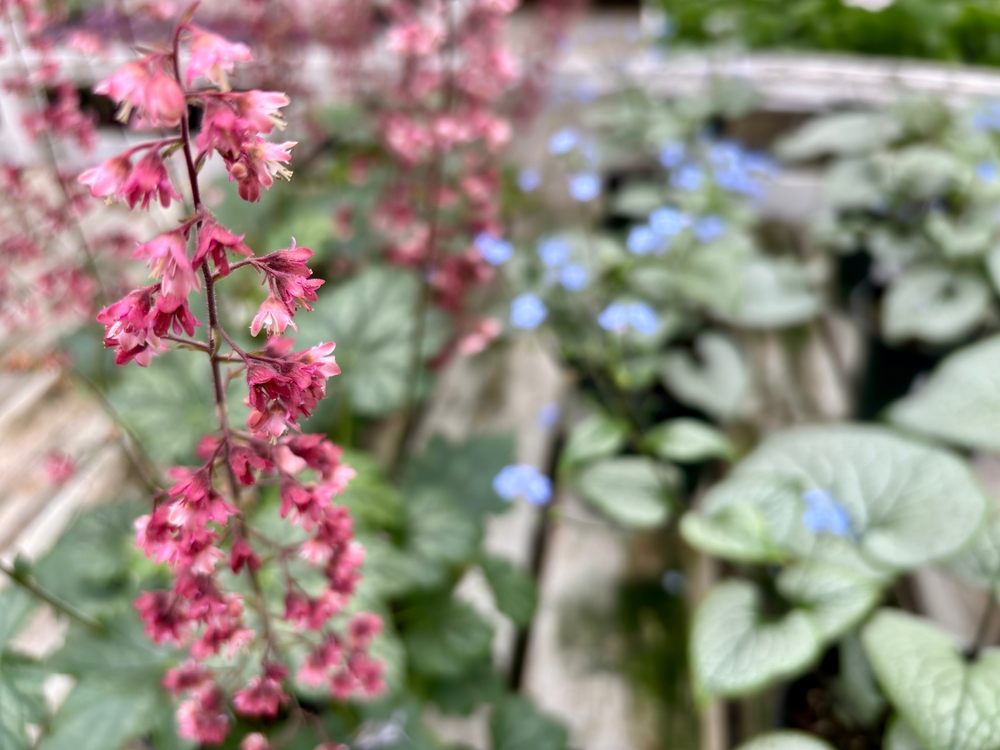
Coral bells, or Heuchera, can make a tired border look intentional with their colorful foliage alone. Depending on the cultivar, leaves can range from lime green and bronze to burgundy, purple, silver, and shades with dramatic veining. That foliage makes coral bells particularly useful when fading annuals leave behind a hole that needs visual interest immediately. Most cultivars prefer partial shade and evenly moist, well-drained soil, although some tolerate more sun when gardeners provide adequate moisture. Their flower stalks also rise above the foliage in late spring or summer, giving pollinators another reason to stop by.
A practical spot for coral bells might sit beneath a shrub, along a partly shaded walkway, or at the edge of a flower bed where afternoon sun does not bake the soil. Gardeners should resist planting them in heavy, soggy ground because poor drainage can cause root problems. Late-season planting also requires regular watering while the roots establish, particularly during hot or dry weather. Choose a cultivar that fits the local hardiness zone because winter survival varies among varieties. Once established, the plant can remain in the garden instead of joining the annuals in the seasonal compost pile.
2. Sedum Adds Succulent Foliage and Late-Season Flowers
Sedum offers a different rescue strategy because its fleshy leaves and sturdy growth can handle conditions that leave many annuals looking cranky. Low-growing types work beautifully along edges and in rock gardens, while upright forms add height and structure toward the back of a border. Many sedums prefer full sun and well-drained soil, making them especially handy for dry, sunny spots where thirsty plants struggle. Upright varieties such as Autumn Joy, now classified as Hylotelephium in modern botanical classification, develop broad flower clusters that shift from pink to deeper tones as the season progresses. Bees and other pollinators often visit those flowers, adding movement to a bed that might otherwise look past its prime.
Sedum also brings an important practical advantage: gardeners do not need to fuss over it constantly once it settles in. Water new plants consistently during establishment, but avoid keeping the soil continually wet. A common mistake involves treating drought-tolerant sedum like a thirsty annual and watering it so heavily that its roots sit in soggy soil. Plant it where rain can drain away, and give it enough room to reach its mature width rather than squeezing it into a tiny vacancy. That little gap can become a dependable patch of foliage and flowers instead of another gardening emergency next summer.
3. Creeping Thyme Turns Bare Edges Into Living Carpet
Creeping thyme can fill low, empty spaces with a mat of tiny leaves and a surprising burst of flowers. It suits sunny locations with excellent drainage and works particularly well between stepping stones, along paths, or at the front of a border. When it flowers, its small blooms can attract bees and other pollinators while its foliage provides texture after larger plants finish flowering. The plant generally dislikes constantly wet soil, so a compacted, soggy corner needs improvement before planting. It also stays relatively low, which makes it a poor choice when the gap needs height but an excellent choice when the garden needs a visual bridge between taller plants.
Gardeners should also think about foot traffic before placing creeping thyme beside a walkway. Some types tolerate occasional light stepping, but none should replace a purpose-built lawn or pathway surface. Clear competing weeds from the planting area and loosen compacted soil so the roots can establish without fighting a miniature underground obstacle course. Water new plants regularly at first, then allow the soil to dry somewhat between waterings once the plants establish. With the right conditions, creeping thyme can make a formerly empty edge look deliberately designed rather than hastily patched.
4. Japanese Forest Grass Brightens Shady Holes
Japanese forest grass, or Hakonechloa macra, earns its place in this lineup through movement and foliage rather than flashy flowers. Its arching leaves spill gently over the ground, creating a soft contrast beside upright flowers, shrubs, and broad-leaved perennials. Cultivars come in green, golden, and variegated forms, so gardeners can use foliage color to brighten shady corners where many flowering plants struggle. The grass generally prefers partial to full shade, consistently moist soil, and good drainage, although some cultivars handle more morning sun than others. That combination makes it especially useful when a tired annual leaves behind an empty pocket beneath trees or beside a north-facing foundation.
This grass also provides a useful lesson in garden design: not every gap needs another flower. A mound of flowing foliage can connect plants visually and make a bed feel fuller without creating a carnival of competing colors. Give Japanese forest grass enough room to spread according to the mature size of the chosen cultivar, because cramped planting quickly defeats its graceful form. Keep newly planted specimens watered during hot weather, especially while their roots settle into the surrounding soil. Once established, the foliage can carry the space through much of the growing season and provide structure even when nearby annuals have called it quits.
5. Asters Deliver Flowers When the Garden Needs Them Most
Garden asters can step into a fading annual’s old territory with a timely display of flowers toward the end of the growing season. Depending on the species and cultivar, asters can offer flowers in shades such as purple, pink, blue, or white, with many forms attracting bees and butterflies. They generally prefer sun and reasonably fertile, well-drained soil, although specific moisture needs vary among species. Their timing makes them particularly useful in a garden that looks colorful in spring and early summer but loses momentum as the season moves along. Instead of trying to force another summer annual to keep performing, an aster can shift the garden toward its autumn encore.
Spacing matters because asters can become substantial plants, and crowded stems often create poor air circulation. Gardeners should check the mature height and width before dropping one into a tiny vacancy beside a walkway. Water newly planted asters consistently while they establish, and avoid letting surrounding plants completely shade them unless the selected species tolerates lower light. Aster foliage also gives the garden something to look at before the flowers arrive, so the plant does not spend its entire season waiting for its big moment. With a little planning, that formerly tired annual spot can become one of the places that keeps the garden interesting when summer starts packing its bags.
Give the Garden a Better Second Act
Replacing a tired annual does not require rebuilding an entire flower bed or making a frantic trip through every plant aisle at the garden center. Coral bells can supply colorful foliage in partial shade, sedum can handle sunny and relatively dry conditions, creeping thyme can soften sunny edges, Japanese forest grass can fill shady spaces with graceful foliage, and asters can deliver a late-season floral finale. The best choice depends on the conditions already present, especially sunlight, drainage, moisture, mature size, and local winter hardiness. Planting during warm weather requires more attention to watering because new roots need consistent moisture while they establish. A little matching between plant and location can turn a disappointing bare patch into a spot that looks as though the garden planned it that way from the beginning.
What plant do you reach for when an annual starts looking exhausted, and which perennial has surprised you by becoming a garden favorite?
You May Also Like…
6 Annuals That Grow Well Without Daily Care
8 Plants That Add Structure After Summer Flowers Begin Fading
Are Night-Blooming Flowers Worth Adding to a Small Yard?
Are Winter Annuals Really Worth Your Time?
6 Perennials to Divide When the Hottest Weather Begins Easing

Brandon Marcus is a staff writer for FrugalGardening.com at District Media, Inc., where he delivers practical gardening advice with a relatable, no-nonsense style. An avid amateur gardener, he holds a BA degree and with over ten years of professional writing experience, he is also an award-winning published author whose first book, Questions For Deep Thinkers, was released by Adams Media. His work has appeared in major publications including Fandom.com, CHUD.com, TheColdWire.com, and Fansided.com.
Leave a Reply