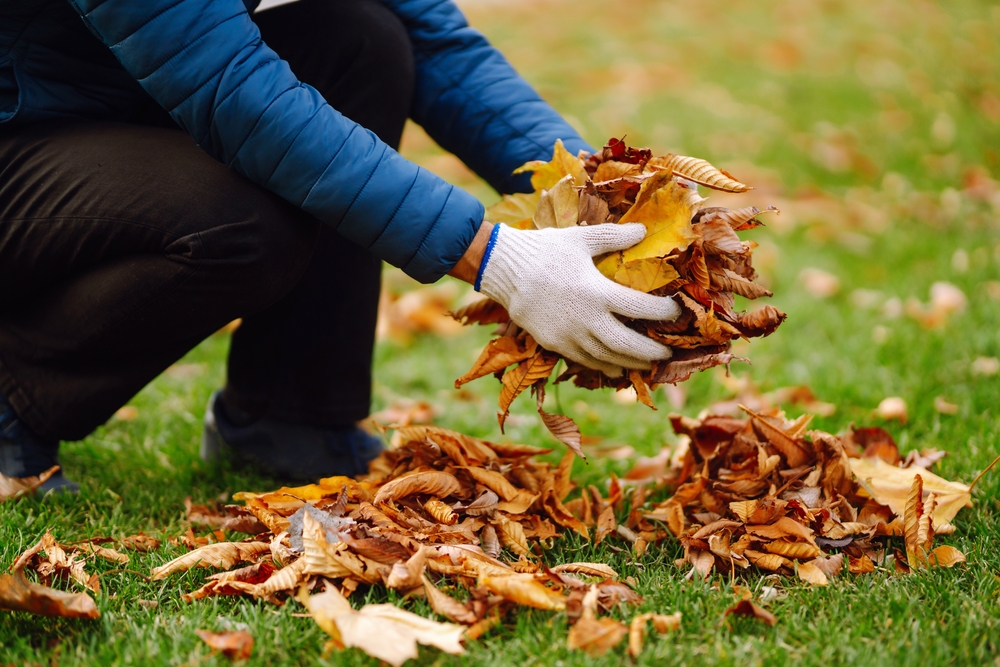
When autumn hits and your yard turns into a crunchy carpet of gold, orange, and brown, it’s easy to see fallen leaves as a nuisance. You grab your rake, fill up bags, and haul them off like you’re cleaning up a mess. But what if those leaves aren’t waste at all?
What if they’re one of the best things that could happen to your garden’s soil? Spoiler alert: they are! Those scattered leaves are nature’s slow-release fertilizer—tiny, colorful superheroes feeding your soil long after the pumpkin spice lattes disappear.
1. They Break Down into Natural Compost
When leaves fall, they begin a slow, magical transformation. Microorganisms, fungi, and earthworms move in, breaking down the leaves into rich organic matter. Over time, this decomposition creates humus, the dark, nutrient-packed substance that every gardener dreams of. Humus doesn’t just feed your plants—it transforms lifeless dirt into living soil. So next time you see a pile of leaves, think of it as a gourmet meal waiting to happen for your backyard ecosystem.
2. They Add Essential Nutrients Back into the Ground
Leaves are loaded with the nutrients your plants crave: nitrogen, potassium, phosphorus, and calcium, just to name a few. When they decompose, these nutrients return to the soil, recycling the energy trees borrowed during the growing season. It’s the circle of life, but for your garden bed. Instead of reaching for store-bought fertilizer, let the leaves do the heavy lifting. They’re basically free nutrition with zero chemicals—just pure, natural goodness.
3. They Keep Soil Moist and Cool
A thick layer of leaves acts like a natural mulch blanket. It keeps the soil underneath moist by reducing evaporation, which means less watering for you. During the summer, that same leaf layer keeps roots cool and protected from harsh sun. It’s like giving your garden a cozy comforter in the fall that turns into an air conditioner by summer. The result? Healthier roots and happier plants, all thanks to those humble fallen leaves.
4. They Prevent Erosion and Runoff
Bare soil is vulnerable soil. When it rains, loose dirt can wash away, taking nutrients with it. Leaves act as a natural shield, cushioning the ground and slowing down runoff. This protection helps your soil stay in place while letting water soak in instead of rushing off. In short, fallen leaves are nature’s version of a no-slip mat—keeping your garden stable and nutrient-rich through every downpour.
5. They Create a Haven for Beneficial Insects
That crunchy pile of leaves isn’t just mulch—it’s a mini wildlife condo. Ladybugs, ground beetles, and spiders love hiding out under leaves during cold months. These critters might not look glamorous, but they’re pest-control champions, feeding on aphids, mites, and other garden troublemakers. By leaving a few piles around, you’re basically setting up an all-inclusive resort for your garden’s natural bodyguards. Come spring, they’ll repay you by keeping pests in check, no chemicals required.
6. They Feed Earthworms (Your Underground Garden Crew)
If you could crown a “Most Valuable Player” in your soil, it would be the earthworm. These little diggers love munching on decomposing leaves, turning them into nutrient-packed worm castings. Their burrowing keeps your soil aerated, improving drainage and oxygen flow for roots. Without even realizing it, you’re running a tiny underground compost factory. The more leaves you leave behind, the happier your worms—and your plants—will be.
7. They Improve Soil Structure
When leaves break down, they create spaces within the soil that allow air and water to move freely. This helps prevent compaction, one of the biggest killers of plant roots. Looser soil means better drainage and stronger, deeper roots. Over time, you’ll notice your garden soil feels softer, spongier, and richer to the touch. That’s your leaf layer at work, turning hard-packed dirt into plant paradise.
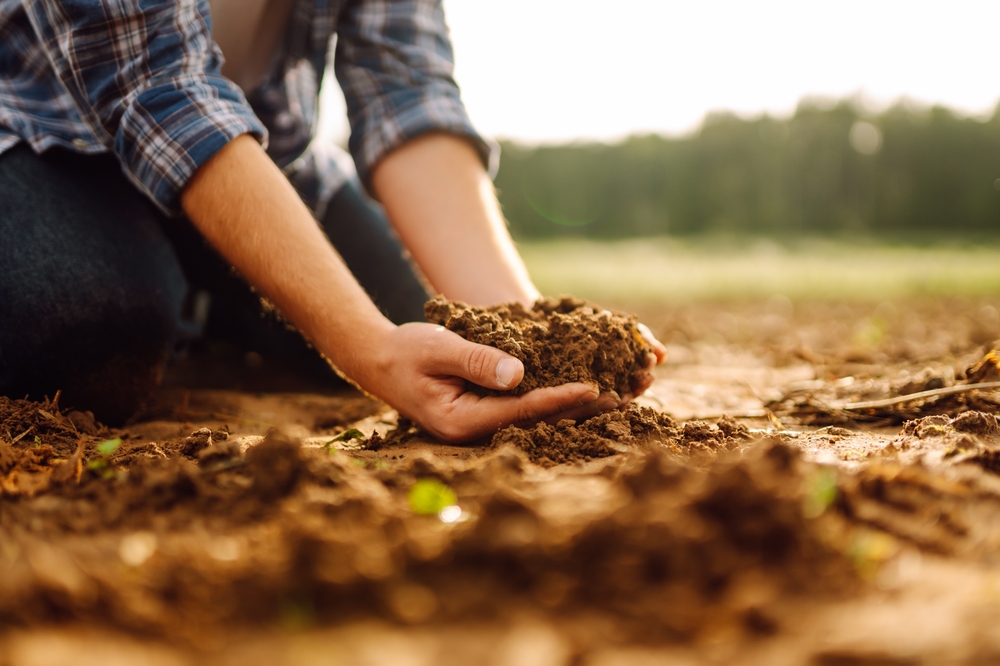
8. They Balance Soil pH Naturally
Different types of leaves decompose at different rates, and as they do, they help balance the soil’s pH levels. Oak and maple leaves, for example, add a gentle acidity that benefits acid-loving plants like blueberries and azaleas. Meanwhile, other varieties can help neutralize overly alkaline soil. Instead of using chemical additives, fallen leaves can help you maintain that perfect “just-right” soil balance. It’s Mother Nature’s own version of a fine-tuned soil conditioner.
9. They Suppress Weeds Without Chemicals
Here’s a secret that will make any gardener smile: leaves can outsmart weeds. When you layer them thick enough, they block sunlight from reaching weed seeds, stopping them from sprouting in the first place. No sunlight means no weeds—and no need for harsh herbicides. As the leaves decompose, they not only smother the invaders but also feed the soil beneath. It’s a one-two punch that saves you time, effort, and money.
10. They Help Store Carbon in the Soil
Leaves are natural carbon sinks, absorbing carbon dioxide from the atmosphere while they grow. When they decompose in the soil, much of that carbon stays locked underground rather than escaping back into the air. This process, known as carbon sequestration, helps reduce greenhouse gases and combat climate change—right in your own backyard. So when you leave the leaves, you’re not just improving your soil; you’re also helping the planet breathe a little easier. Small actions, big impact.
Let the Leaves Do the Work
So the next time you’re tempted to bag up those leaves and send them away, take a second look. They’re not yard waste—they’re a natural powerhouse packed with nutrients, moisture, and life. Every leaf that lands in your yard is an opportunity to build richer soil, feed your plants, and give back to the environment. Let nature handle what it’s been doing perfectly for millions of years.
Have you tried using fallen leaves in your garden? Share your thoughts, success stories, or leaf-layering tips in the comments below.
You May Also Like…
The Role of Fungi in Breaking Down Fall Leaves
How to Turn Fallen Leaves Into Black Gold Compost
11 Trees With Leaves Worth Collecting for Mulch
Why Raised Beds Hold Warmth Longer Than Ground Soil
How Soil Biology Shifts After First Frost

Brandon Marcus is a staff writer for FrugalGardening.com at District Media, Inc., where he delivers practical gardening advice with a relatable, no-nonsense style. An avid amateur gardener, he holds a BA degree and with over ten years of professional writing experience, he is also an award-winning published author whose first book, Questions For Deep Thinkers, was released by Adams Media. His work has appeared in major publications including Fandom.com, CHUD.com, TheColdWire.com, and Fansided.com.
Leave a Reply