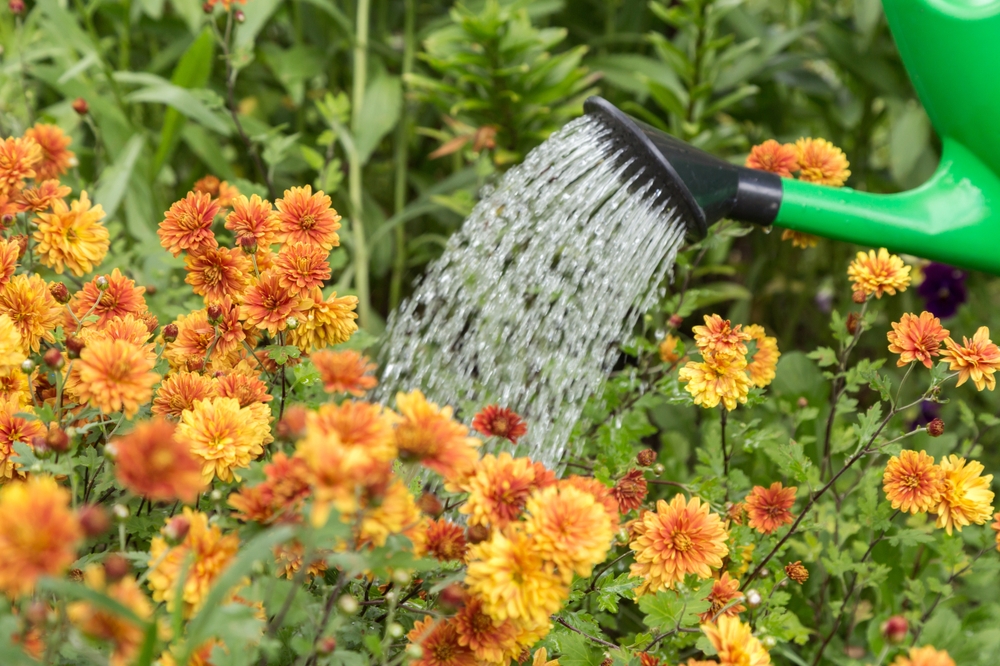
Late-summer heat can turn a perfectly reasonable garden into a collection of thirsty plants by lunchtime. The tricky part involves knowing how much water actually helps because a quick sprinkle across the soil can look productive while doing very little for the roots. During hot weather, most gardens need consistent moisture in the root zone, not an endless parade of shallow surface showers.
This matters even more when vegetables carry fruit, flowers keep opening, or newly planted perennials still settle into their surroundings. A tomato plant with drooping leaves may need water, but a plant can also droop temporarily during intense afternoon heat without suffering serious drought stress. The goal involves keeping soil moisture reasonably steady, checking what happens below the surface, and adjusting watering when weather conditions change.
Water the Soil, Not the Clock
A garden does not need water simply because the calendar says Tuesday or because the weather forecast looks dramatic. Instead, check the soil several inches below the surface, particularly around vegetables, annual flowers, and other plants with active roots near the upper layers. If the soil feels dry where most of the roots grow, give the garden a thorough watering rather than another quick sprinkle.
Late-summer heat increases water loss through evaporation and transpiration, so containers and shallow-rooted plants often need attention sooner than established plants growing in the ground. Morning usually provides the best watering window because cooler conditions give foliage and soil more time to dry, while roots can absorb moisture before the hottest part of the day arrives. Water at the base of plants whenever possible, since wet foliage can encourage some fungal diseases and wastes water that never reaches the root zone.
Deep Watering Beats a Tiny Daily Sip
Think of watering like delivering a drink to the roots instead of misting the garden for atmosphere. A slow application gives water time to move downward through the soil, which encourages roots to explore a larger volume of available moisture. A fast blast from a hose can run off compacted or dry soil before it penetrates very far, especially on sloped beds.
Mulch can make that deep watering last longer by reducing evaporation from the soil surface. A layer of organic mulch such as shredded leaves, straw, or finished compost can help moderate soil temperature and reduce moisture loss, although mulch should stay a little away from plant stems to discourage rot and pest problems. Drip irrigation or soaker hoses can also deliver water efficiently because they place moisture close to the soil rather than launching it into the air.
Watch the Plants, But Check the Soil Too
Plants communicate when water supplies run short, although they occasionally send confusing messages. Wilted leaves, curled foliage, slowed growth, blossom drop, and fruit problems can accompany water stress, but afternoon wilting does not automatically mean a plant needs an immediate soaking. Many plants temporarily droop during extreme heat and recover as temperatures fall, so checking the soil provides a much better clue than judging the leaves alone.
Vegetables that produce juicy fruit deserve particular attention because inconsistent moisture can create problems even when plants survive the heat. Tomatoes can develop blossom-end rot when inconsistent soil moisture limits calcium movement within developing fruit, while cracking can occur when thirsty plants receive a sudden surge of water. Keeping soil moisture more consistent helps reduce those problems, although it cannot prevent every issue because weather, soil conditions, variety, and other factors also play roles.
Containers and Raised Beds Play by Different Rules
A plant growing in a container often needs more frequent watering than the same species growing in the ground because the container holds a limited amount of soil. Small pots can heat up quickly, and roots can encounter dry soil throughout the container surprisingly fast during hot, windy weather. Check containers with a finger or moisture check rather than assuming yesterday’s watering still covers today’s needs.
Raised beds can also lose moisture faster than traditional garden beds, particularly when they contain loose, well-drained soil and receive strong afternoon sun. That excellent drainage helps prevent waterlogged roots during wet periods, but it also means gardeners need to monitor moisture more closely during prolonged heat. Newly planted shrubs, perennials, and young trees deserve special attention because their root systems have not yet occupied a large volume of surrounding soil.
Give Heat-Stressed Gardens a Smarter Drink
Late-summer watering works best when gardeners respond to actual soil conditions instead of following a rigid schedule. Check the root zone, water slowly when it needs moisture, and give containers and newly planted specimens more frequent inspections during hot spells. Mulch can stretch each watering session further, while drip systems and soaker hoses can put water where plants actually use it.
Which plants in the garden seem to need the most water during late-summer heat, and what watering trick has worked best in keeping them going?
You May Also Like…
6 Gutter-Free Ways to Catch Rainwater From a Garden Shed
Could a Gravel Garden Cut Watering Without Looking Bare?
How to Tell If You’re Watering Deeply Enough
The Heat-Wave Watering Mistake That Can Kill Container Gardens
5 Ways to Reduce Plant Losses During Late-Summer Travel

Brandon Marcus is a staff writer for FrugalGardening.com at District Media, Inc., where he delivers practical gardening advice with a relatable, no-nonsense style. An avid amateur gardener, he holds a BA degree and with over ten years of professional writing experience, he is also an award-winning published author whose first book, Questions For Deep Thinkers, was released by Adams Media. His work has appeared in major publications including Fandom.com, CHUD.com, TheColdWire.com, and Fansided.com.
Leave a Reply