When summer starts breaking temperature records, plenty of garden favorites wave the white flag. Leaves wilt, flowers fade, and even regular watering sometimes feels like pouring water into a bottomless pit. Fortunately, some plants actually seem to smile when the forecast turns blazing hot.
The secret lies in choosing species that evolved in sunny, dry climates or developed clever ways to conserve moisture. Add a few of these dependable performers to flower beds, borders, or containers, and the garden can keep showing off long after less resilient plants call it quits.
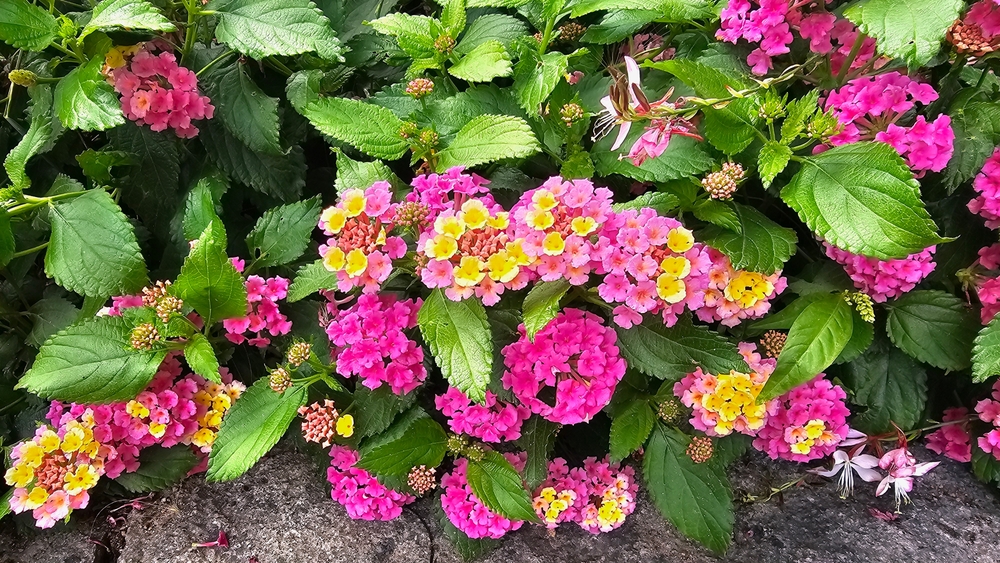
1. Lantana Brings Nonstop Color to the Hottest Corners
Lantana earns its reputation by blooming through long stretches of heat while many flowering plants slow down. Once established, its deep roots help it handle dry spells without constant attention, making it a favorite for busy gardeners. Butterflies flock to the colorful flower clusters, adding movement and life to the landscape on even the hottest afternoons.
Plant it in full sun with well-drained soil, and resist the urge to overwater because soggy roots create more problems than dry ones. A quick trim during midsummer often encourages another wave of cheerful blooms before autumn arrives.
2. Coneflower Laughs at Hot Summer Weather
Coneflowers combine rugged durability with classic beauty, making them one of the easiest perennials for sunny gardens. Their sturdy stems stay upright through intense sunshine, while their daisy-like flowers attract bees and butterflies for months. The rough, slightly fuzzy foliage helps reduce moisture loss, giving these plants an advantage during extended hot weather.
Once established, they rarely demand extra watering except during unusually long dry periods. Leave the seed heads standing after the flowers fade because goldfinches often stop by for a late-season snack.
3. Russian Sage Handles Heat Like a Champion
Russian sage fills the garden with airy spikes of lavender-blue flowers and silvery foliage that practically glows in bright sunlight. Those pale leaves reflect some of the sun’s intensity while releasing a pleasant herbal fragrance when brushed. The plant performs especially well in poor, rocky soil where fussier flowers refuse to cooperate. Good drainage matters far more than rich soil, so avoid heavy clay that stays wet after rain. Give Russian sage room to spread because its graceful stems create an attractive cloud of color throughout the hottest part of summer.
4. Sedum Stores Water for Tough Times
Sedum comes prepared for heat thanks to its thick, fleshy leaves that store water like tiny reservoirs. That built-in backup system allows the plant to keep growing when rainfall becomes scarce and temperatures keep climbing. Gardeners often tuck sedum into rock gardens, borders, or containers where other plants struggle with reflected heat.
Too much fertilizer encourages floppy growth, so lean soil actually produces sturdier plants. Late-season flower clusters also provide valuable nectar for pollinators when many summer blooms have already faded.
5. Blanket Flower Keeps Blooming Through the Heat
Blanket flower delivers bright shades of red, orange, and yellow that almost seem designed for sunny afternoons. This North American native enjoys full sun and tolerates dry soil once its roots settle in. Deadheading spent flowers encourages fresh blooms, although many gardeners leave a few behind for birds later in the season. The plant handles windy locations surprisingly well, making it useful for open landscapes where summer conditions become especially challenging. Its cheerful colors create an instant burst of energy without demanding endless maintenance.
6. Agave Turns Harsh Conditions Into an Advantage
Agave proves that dramatic landscaping does not require constant watering or pampering. Its thick leaves store impressive amounts of moisture, while a waxy surface slows evaporation during relentless sunshine. Many varieties create bold architectural shapes that stand out among softer garden plants.
Place agave where excellent drainage prevents water from collecting around the roots, especially during cooler months. Wear gloves while planting because many types feature sharp spines that definitely command respect.
7. Portulaca Covers the Garden With Summer Cheer
Portulaca, often called moss rose, produces vibrant flowers that open wide under bright sunshine and happily tolerate intense heat. Its succulent leaves help conserve water, allowing the plant to continue blooming when many annuals begin looking tired. Gardeners frequently use it in hanging baskets, containers, edging, and rock gardens where the soil dries quickly. Full sun encourages the biggest floral display, while heavy shade reduces flowering dramatically. Once established, portulaca often asks for little more than occasional watering and a sunny place to spread.
8. Yucca Delivers Strength With Almost No Fuss
Yucca combines dramatic sword-like foliage with tall flower spikes that create serious curb appeal. Native to dry regions, it handles scorching temperatures and lean soil without constant care or frequent irrigation. Its evergreen leaves provide year-round structure, giving the landscape visual interest even outside the flowering season.
Avoid planting yucca where foot traffic passes too closely because the pointed leaves can surprise an unsuspecting gardener. Once planted in the right location, this dependable perennial rewards patience with years of reliable performance.
Build a Garden That Smiles at Summer
A garden does not have to surrender every time another heat wave arrives. Choosing plants that naturally handle hot, sunny conditions saves water, reduces maintenance, and keeps flower beds looking lively throughout the toughest weeks of summer. Healthy soil, a layer of mulch, and deep but infrequent watering during establishment give these tough plants the best possible start. Even the most heat-loving selections appreciate good drainage and the chance to develop strong root systems before extreme weather arrives.
Which of these heat-loving plants has earned a permanent place in the garden, or is there another summer superstar that deserves a spot on the list?
You May Also Like…
8 Flowers That Keep Blooming Through the Worst Summer Heat
Why Summer Gardening Feels Harder Than It Did 10 Years Ago
Why So Many Americans Are Starting Sunset Gardens
7 Partial Sun Picks That Perform Consistently
10 Flowers That Bloom Even During Extreme Heat

Brandon Marcus is a staff writer for FrugalGardening.com at District Media, Inc., where he delivers practical gardening advice with a relatable, no-nonsense style. An avid amateur gardener, he holds a BA degree and with over ten years of professional writing experience, he is also an award-winning published author whose first book, Questions For Deep Thinkers, was released by Adams Media. His work has appeared in major publications including Fandom.com, CHUD.com, TheColdWire.com, and Fansided.com.
Leave a Reply