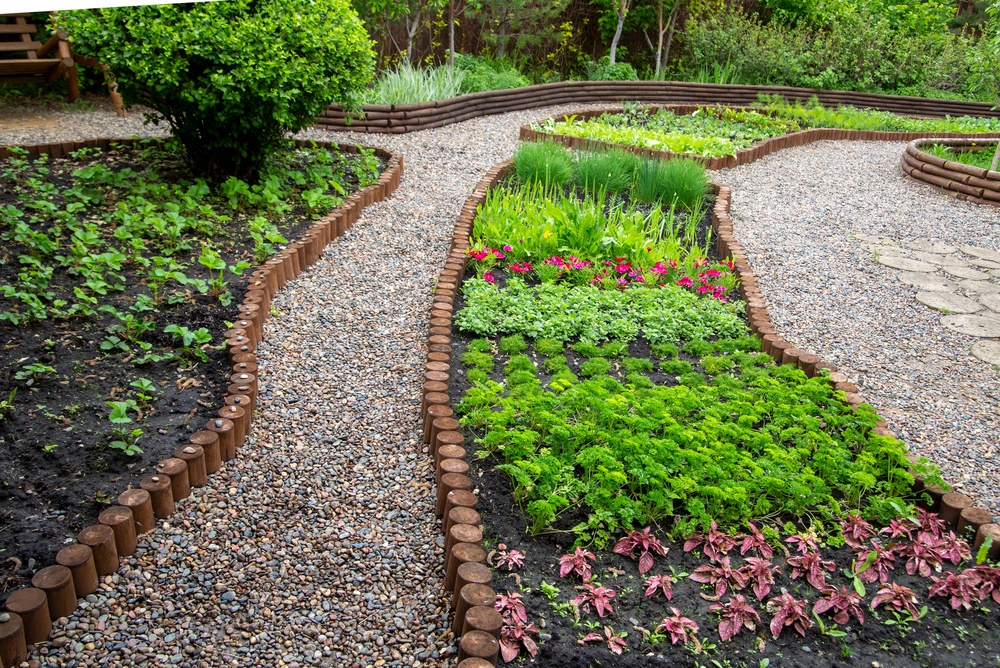
Walk outside, pinch a leaf, and snack straight from the garden without hesitation. That is the spirit behind foraging gardens, a growing approach that blends ornamental planting with edible surprises tucked between flowers and shrubs. The idea has gained traction thanks to guidance from the Royal Horticultural Society, which highlights plants that offer beauty on top of flavor. Borage, sorrel, and everyday herbs lead the charge because they grow easily and deliver fresh ingredients right at arm’s reach. This style of gardening turns ordinary backyards into living pantries that feel both practical and a little bit magical.
Unlike traditional vegetable plots that sit in neat rows, foraging gardens scatter edible plants throughout the landscape. This approach rewards curiosity because different corners of the yard hold different tastes and textures. It also encourages people to slow down and notice what grows where instead of treating plants as background decoration. Every step through the garden becomes a small discovery, especially when leaves, flowers, and stems all offer something usable in the kitchen.
Borage Brings a Splash of Blue and a Light Cucumber Flavor
Borage stands out immediately thanks to its star-shaped blue flowers that almost look too bright to be real. The plant grows quickly and adapts well to many soil types, which makes it a favorite for gardeners who like low-drama planting. Its leaves carry a mild cucumber-like taste that works well in drinks, salads, and even frozen into ice cubes for summer beverages. Bees also flock to borage flowers, which adds another layer of life and movement to the garden. This plant brings both beauty and usefulness without demanding constant attention.
Harvesting borage requires a gentle touch because the leaves and stems can feel a bit bristly. Younger leaves tend to taste softer and smoother, while older ones develop a stronger texture that some cooks still enjoy when chopped finely. The flowers offer the easiest entry point since they can be picked and used fresh as edible decorations on desserts or drinks. Gardeners often scatter borage among vegetables because it attracts pollinators that boost nearby harvests. A single plant can shift the whole mood of a growing space from plain green to vibrant and buzzing.
Sorrel Adds a Bright, Tangy Kick to Everyday Meals
Sorrel brings a bold personality to the garden with its arrow-shaped leaves and sharp citrus-like flavor. The taste carries a natural tang that lifts salads, soups, and sauces without needing extra seasoning. Many gardeners value sorrel because it comes back reliably each season and handles cooler weather with confidence. Its leaves grow in tidy clumps that look almost ornamental, which makes it easy to tuck into flower beds without disrupting the design. Sorrel offers a simple way to add excitement to meals straight from the yard.
This plant grows best when harvested regularly because younger leaves deliver the freshest flavor. Older leaves can turn more intense and slightly bitter, which works well in cooked dishes but surprises those expecting a mild bite. Sorrel pairs especially well with eggs, potatoes, and creamy sauces that balance its acidity. It also thrives in partial shade, which opens up planting options in gardens that do not get full sun all day. Once established, sorrel keeps producing leaves that invite frequent snipping.
Everyday Herbs Turn Any Yard into a Flavor Station
Herbs like parsley, mint, chives, and thyme slide effortlessly into foraging gardens because they already live in many kitchens. These plants grow in containers, borders, and even awkward corners where other crops struggle. Mint spreads quickly and needs boundaries, while chives grow in neat clumps that return reliably each year. Parsley offers a fresh, slightly peppery taste that works in everything from salads to soups. Each herb brings its own personality, which makes mixing and matching feel almost like building a flavor palette outdoors.
The real charm of herbs lies in how often they get used without requiring a trip to the store. A quick walk outside replaces packaged bundles and adds a burst of freshness to meals. Regular trimming encourages most herbs to grow back thicker and more abundant, which keeps the cycle going. Even small gardens or balconies can support a surprising number of herb varieties when arranged thoughtfully. These plants turn everyday cooking into something that feels connected to the soil just outside the door.
Designing a Foraging Garden Without Chaos Taking Over
A successful foraging garden balances freedom with structure so plants grow without overwhelming each other. Grouping edible plants with similar water and light needs helps prevent constant maintenance headaches. Borage can stand tall among vegetables, while herbs fill edges and pathways where hands can easily reach them. Sorrel fits neatly into shaded pockets that might otherwise go unused. This layout creates a layered garden that feels intentional rather than scattered.
Spacing matters because some edible plants spread faster than expected and crowd out slower growers. Mint especially demands containment through pots or buried barriers that keep its roots in check. Regular harvesting also helps maintain balance because trimming encourages healthier growth and prevents overcrowding. Garden paths should stay open enough for easy picking so the foraging habit feels natural rather than forced. A thoughtful design keeps the garden productive and visually appealing at the same time.
Harvesting Safely While Keeping Flavor at Its Peak
Edible gardening works best when careful identification guides every harvest. Not every green plant suits eating, so clear labeling or plant familiarity prevents mistakes. Washing leaves before use removes soil and tiny insects that often hitch a ride. Harvesting during cooler parts of the day helps preserve flavor and texture, especially for delicate herbs. These small habits protect both enjoyment and safety in a foraging garden setup.
Timing also shapes flavor because young growth often tastes lighter and fresher than older leaves. Regular picking encourages plants like sorrel and herbs to produce new shoots continuously. Gardeners should avoid stripping a plant completely so it keeps enough foliage to recover quickly. Using clean scissors or fingers reduces damage and keeps plants healthy for longer seasons. With steady care, the garden becomes a reliable source of fresh ingredients right outside the door.
A Yard That Doubles as a Pantry
Foraging gardens turn ordinary outdoor spaces into something far more interactive and useful. Plants like borage, sorrel, and everyday herbs offer food, beauty, and a steady connection to seasonal growth. Thoughtful planting and simple care routines keep everything productive without turning the garden into a chore. This style of gardening invites experimentation and rewards attention with fresh flavors all year round. It transforms the yard into a place that feeds both the eye and the plate.
What edible plant would you want to grow first in a foraging garden, and how would you use it in your kitchen?
You May Also Like…
Transform Your Side Yard into a Food Forest: Edible Perennials That Require Little Maintenance
The Backyard Trend That’s Making Outdoor Living More Affordable
8 Pollinator-Friendly Plants That Bloom for Months
6 Small-Space Edible Garden Ideas That Produce Big Harvests

Brandon Marcus is a staff writer for FrugalGardening.com at District Media, Inc., where he delivers practical gardening advice with a relatable, no-nonsense style. An avid amateur gardener, he holds a BA degree and with over ten years of professional writing experience, he is also an award-winning published author whose first book, Questions For Deep Thinkers, was released by Adams Media. His work has appeared in major publications including Fandom.com, CHUD.com, TheColdWire.com, and Fansided.com.
Leave a Reply