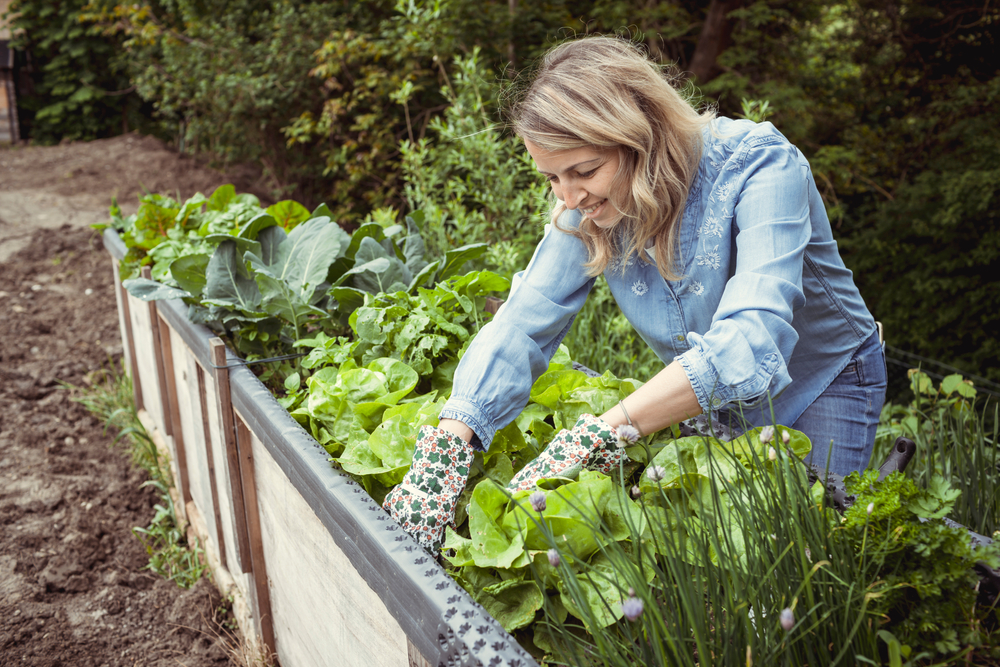
A beautiful garden has always turned heads, but today’s buyers want more than colorful flowers and neatly trimmed shrubs. They want outdoor spaces that look great, serve a purpose, and make everyday life easier. That shift has sparked one of the most exciting gardening trends in years: edible landscaping.
This approach blends attractive plants with fruits, vegetables, herbs, and other edible selections to create a landscape that delivers both beauty and function. Homeowners no longer need to hide tomato plants behind the garage or tuck herbs into forgotten corners. Instead, edible plants take center stage in thoughtfully designed yards that look polished while offering fresh ingredients just steps from the kitchen.
Why Edible Landscaping Is Catching Buyers’ Attention
Edible landscaping combines ornamental gardening techniques with food-producing plants to create an outdoor space that feels intentional and attractive. Blueberry bushes, for example, offer spring flowers, summer fruit, vibrant fall color, and an elegant structure throughout much of the year. Rosemary can serve as a fragrant border plant, while colorful Swiss chard rivals many traditional ornamentals.
Modern buyers often appreciate features that reduce future expenses and provide practical benefits. A mature fruit tree, a productive herb garden, or established berry bushes can represent years of growth that a new homeowner would otherwise need to wait to enjoy. Those established plants add immediate value beyond their visual appeal.
Another factor driving interest involves sustainability. Many homebuyers actively seek properties that support eco-friendly living. An edible landscape demonstrates resourcefulness while creating opportunities for homegrown produce, reduced grocery bills, and less dependence on commercially transported food.
Smart Plant Choices Make a Big Difference
Not every edible plant belongs in a front-yard showcase. Successful edible landscapes rely on attractive varieties that complement the home’s architecture and existing landscape design. Dwarf fruit trees, colorful lettuces, rainbow chard, purple basil, and compact blueberry varieties often deliver both beauty and productivity.
Perennial edible plants frequently provide the strongest long-term value. Asparagus, rhubarb, berry bushes, figs in suitable climates, and many herbs return year after year with minimal replanting costs. Buyers often appreciate seeing established plants that require less effort to maintain.
Color and seasonal interest also matter. A garden that looks stunning only during harvest season misses opportunities to impress visitors and potential buyers throughout the year. Layering flowering herbs, fruiting shrubs, ornamental vegetables, and evergreen edible plants creates a landscape that remains attractive across multiple seasons.
Curb Appeal Meets Practical Living
First impressions play a major role in real estate. Potential buyers often form opinions within moments of arriving at a property. An attractive edible landscape immediately signals thoughtful maintenance and creative design.
Imagine a front yard lined with lavender, dwarf blueberry bushes, decorative kale, and espaliered apple trees. The landscape delivers texture, color, fragrance, and visual interest while quietly producing food. Many visitors may not even realize they’re looking at an edible garden until a homeowner points it out.
Practicality strengthens that appeal. Buyers increasingly value features that contribute to everyday life. A ready-to-harvest herb garden near the kitchen entrance or berry bushes along a walkway can feel both charming and useful. These details create memorable impressions that help a property stand out among similar listings.
Common Mistakes That Can Hurt Value
While edible landscaping offers impressive benefits, poor execution can produce the opposite effect. Overgrown vegetable patches, neglected fruit trees, and sprawling plants can make a yard appear difficult to maintain. Buyers often worry about future upkeep when they encounter gardens that seem overwhelming.
Plant placement requires careful planning. Large vegetables scattered randomly across a front yard can look chaotic rather than intentional. Successful edible landscapes follow the same design principles as traditional landscaping, using repetition, balance, structure, and visual flow.
Maintenance remains essential. Dead plants, diseased fruit trees, and weed-filled garden beds can quickly undermine the property’s appearance. Homeowners should focus on manageable designs that stay attractive throughout the growing season and beyond. A smaller, well-maintained edible garden often creates a stronger impression than an ambitious project that falls into disrepair.
The Financial Benefits Go Beyond Home Value
An attractive edible landscape may contribute to increased buyer interest, but it also delivers ongoing financial advantages before a home ever reaches the market. Fresh herbs, berries, vegetables, and fruits can help reduce grocery expenses throughout the growing season.
Established fruit trees and berry bushes often become increasingly productive over time. A mature blueberry hedge or apple tree can provide harvests for years while continuing to enhance the property’s appearance. Homeowners essentially enjoy returns on their gardening investment long before considering a future sale. Outdoor spaces also play a growing role in how people use their homes. A productive garden encourages time outside, supports healthy eating habits, and creates opportunities for entertaining. Buyers frequently place higher value on outdoor environments that offer more than simple decoration.
A Garden Trend With Lasting Power
Unlike many home improvement trends that fade after a few seasons, edible landscaping addresses several enduring priorities at once. It combines beauty, functionality, sustainability, and cost savings in a way that appeals to a broad range of homeowners and buyers.
The most successful examples avoid looking like traditional vegetable gardens. Instead, they blend edible plants seamlessly into attractive landscape designs that enhance curb appeal while offering practical rewards. That balance often creates the strongest impact when it comes time to sell.
What do you think about edible landscaping? Would you add fruits, vegetables, or herbs to your front yard to boost curb appeal and functionality? Share your thoughts and experiences in the comments below!
You May Also Like…
7 Backyard Upgrades That Can Make Your Home Feel More Private
Turn Household Containers Into Thriving Veggie Gardens With Buckets, Totes & Milk Jugs
Supercharge Your Soil: How to Brew Compost Tea or Worm Castings Tea at Home
Why Grocery Inflation Is Sending Americans Back to Gardening Again
Why More Families Are Starting “Emergency Gardens” This Year

Brandon Marcus is a staff writer for FrugalGardening.com at District Media, Inc., where he delivers practical gardening advice with a relatable, no-nonsense style. An avid amateur gardener, he holds a BA degree and with over ten years of professional writing experience, he is also an award-winning published author whose first book, Questions For Deep Thinkers, was released by Adams Media. His work has appeared in major publications including Fandom.com, CHUD.com, TheColdWire.com, and Fansided.com.
Leave a Reply