
Cold weather in Florida doesn’t usually sound dramatic—until it is. One night it’s a calm 62 degrees, the next morning growers are staring at wilted leaves and blackened tips after a surprise frost. That kind of overnight damage can wipe out weeks of work and hundreds of dollars in plants.
This winter, though, many Florida growers are quietly winning that battle with something so ordinary it almost feels like a secret hiding in plain sight. No motors, no apps, no complicated setup—just a $5 tool that’s proving shockingly effective when temperatures dip at the worst possible moment.
The Humble Bucket With A Big Winter Job
The tool making waves isn’t new, flashy, or high-tech. It’s the standard five-gallon plastic bucket, the kind stacked by the hundreds at hardware and farm supply stores across the state. Florida growers have discovered that flipping these buckets upside down over tender plants during cold nights creates a surprisingly effective frost shield. The trapped air inside the bucket acts as insulation, slowing heat loss from the soil and protecting leaves from direct exposure to freezing air.
This simple trick is especially valuable for young citrus trees, vegetable seedlings, and cold-sensitive ornamentals. Buckets are rigid, reusable, and heavy enough not to blow away during calm winter nights. For growers who need quick protection without investing in expensive frost blankets or heaters, the bucket delivers dependable results.
Why Florida Winters Catch Growers Off Guard
Florida winters are notorious for being unpredictable, and that unpredictability is what makes plant protection tricky. A cold snap can arrive after weeks of warm weather, leaving plants unprepared for sudden temperature drops. Many Florida soils retain warmth during the day, but that heat escapes quickly under clear night skies. Radiational freezes, where heat rises and escapes into the atmosphere, are especially damaging to low-growing plants.
Growers often don’t realize the risk until late evening, when it’s too late to set up elaborate systems. The bucket method works because it can be deployed quickly, even at sunset, without tools or planning. When frost warnings are issued at the last minute, this simplicity becomes a major advantage.
How A $5 Bucket Saves Hundreds Of Dollars
Replacing frost-damaged plants isn’t cheap, especially for growers managing multiple beds or young trees. A single cold night can destroy dozens of seedlings that took weeks to grow. Using buckets prevents that loss by keeping leaf surfaces above critical freezing temperatures. Growers report saving entire vegetable rows that would otherwise need replanting.
For small farms and backyard growers alike, avoiding just one major replanting easily offsets the cost of buying several buckets. Over the course of a winter, that protection can add up to hundreds of dollars in preserved crops. It’s not about increasing yield overnight; it’s about avoiding devastating setbacks that drain both money and morale.
When And How To Use Buckets Effectively
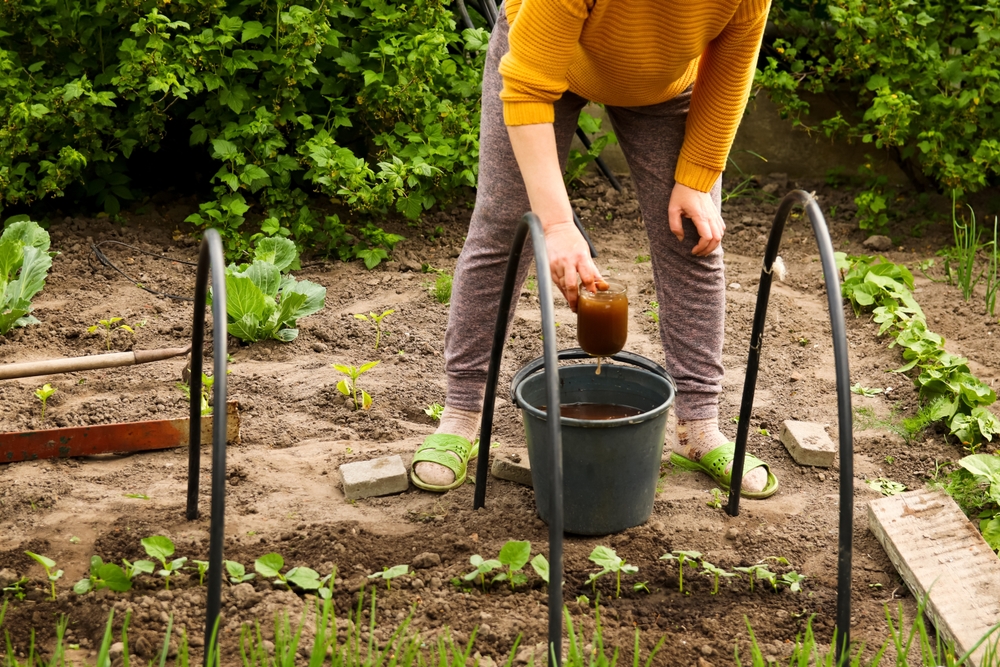
Timing matters when using buckets for frost protection. They should be placed over plants before temperatures drop near freezing, ideally just before sunset. Pressing the bucket edges slightly into the soil helps seal in warmth and block cold air from creeping underneath. Removing the buckets in the morning is just as important, as trapped heat can build quickly once the sun rises. Growers avoid using clear buckets, since sunlight can overheat plants even on cool mornings. The method works best for short plants and young trees that fit comfortably inside the bucket without crushing leaves. Used correctly, the bucket becomes a temporary nighttime shelter rather than a permanent cover.
Why Buckets Beat Many Costlier Options
Frost blankets, irrigation systems, and heaters all have their place, but they come with costs and complications. Blankets can tear or blow away, irrigation requires careful timing to avoid ice damage, and heaters demand fuel and constant monitoring. Buckets, by contrast, are low-maintenance and reusable year after year. They don’t rely on electricity, water pressure, or weather-perfect conditions. For growers with limited time or resources, that reliability is priceless. The bucket method also allows targeted protection, focusing only on the most vulnerable plants rather than covering entire plots. In a state where winter weather can change by the hour, flexibility matters more than fancy equipment.
A Simple Tool That Fits Florida’s Growing Style
Florida growers are known for their adaptability, and the bucket method fits that mindset perfectly. It’s practical, affordable, and easy to scale up or down depending on need. Buckets can be stacked and stored during warm months, then deployed in minutes when frost threatens. This approach also aligns with sustainable growing practices by reducing waste and avoiding disposable materials. The same bucket used for frost protection can serve countless other purposes throughout the year. In a landscape shaped by sudden weather shifts, multipurpose tools often outperform single-use solutions.
Small Tool, Big Winter Wins
The five-gallon bucket may not look like a game-changer, but this winter it’s proving otherwise across Florida gardens and farms. By offering fast, reliable frost protection, it’s helping growers protect their investments and sleep easier on cold nights. Sometimes the smartest solutions aren’t complicated—they’re just overlooked.
If you’ve tried this method or found another low-cost trick that works during Florida cold snaps, jump into the comments below and tell your story.
You May Also Like…
9 Garden Tools You Should Oil Now or Replace by Spring
7 Garden Tools Worth Buying Used Instead of New
5 Weirdly Useful Garden Tools You’ll End Up Using Every Day
12 Beautiful Botanical Gardens You Need To Add To Your Bucket List
The $0 Garden Trend That’s Taking Over Pinterest—And Why It’s Perfect for Southern Growers

Brandon Marcus is a staff writer for FrugalGardening.com at District Media, Inc., where he delivers practical gardening advice with a relatable, no-nonsense style. An avid amateur gardener, he holds a BA degree and with over ten years of professional writing experience, he is also an award-winning published author whose first book, Questions For Deep Thinkers, was released by Adams Media. His work has appeared in major publications including Fandom.com, CHUD.com, TheColdWire.com, and Fansided.com.
Leave a Reply