Gardening might feel like the most peaceful hobby on the planet, but in 2026, it comes with a surprising twist: the rules are getting stricter, and homeowners who don’t pay attention could end up paying more than they ever expected. While most people think of gardening as a simple matter of planting what you love and hoping the weather cooperates, the reality is that local and state regulations are becoming a bigger part of the picture.
From water usage to invasive plants to what you’re allowed to grow near your property line, the rulebook is thicker than ever. And if you want to keep your garden thriving—and your wallet intact—it’s worth knowing exactly what could get you into trouble this year.
1. Water Restrictions That Aren’t Just Suggestions Anymore
Many regions have been tightening water‑use rules for years, but 2026 is shaping up to be a year when enforcement becomes far more consistent. Drought‑prone areas, in particular, are cracking down on irrigation schedules, runoff, and the types of watering systems homeowners can use.
Violations can lead to fines that escalate quickly, especially if you repeatedly water outside approved hours. Even if your area isn’t facing a drought, local ordinances may still limit how often you can irrigate or require specific water‑efficient equipment. Gardeners should check their city or county’s current guidelines and consider switching to drip irrigation or drought‑tolerant plants to stay compliant.
2. Invasive Plant Bans That Could Surprise You
States and municipalities maintain lists of prohibited invasive plants, and those lists continue to evolve as new species spread. Some plants that were once common in home gardens are now restricted because they crowd out native species or damage local ecosystems.
Homeowners who unknowingly plant or keep banned species can face removal orders or fines. The tricky part is that these lists vary widely by region, so what’s allowed in one state may be illegal in another. Before buying anything new this year, gardeners should check their local invasive species list and make sure their existing plants aren’t on the wrong side of the law.
3. Tree Removal Rules That Go Beyond Your Property Line
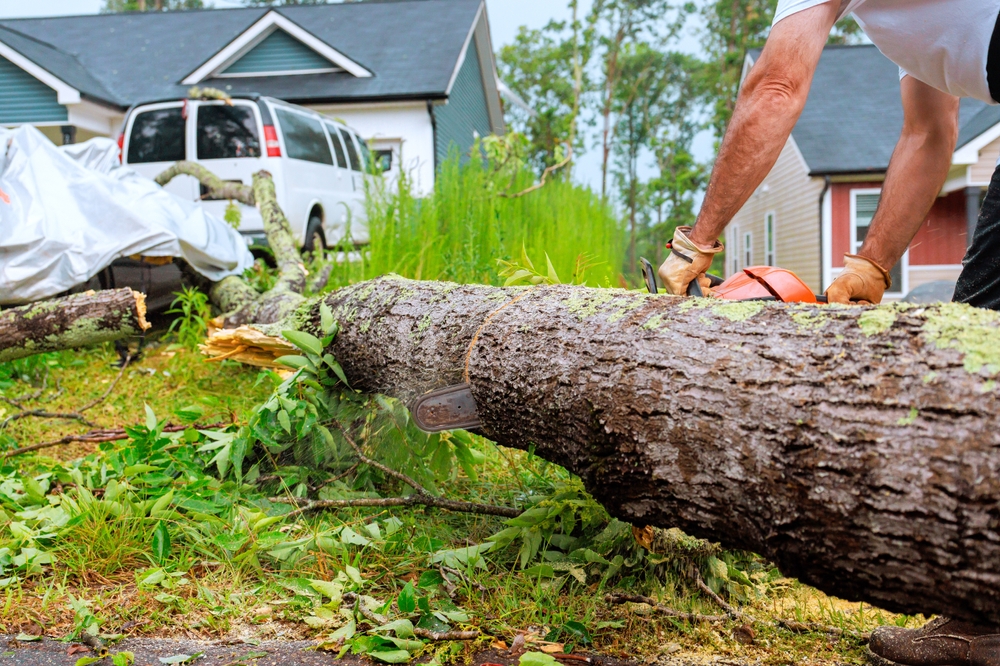
Many cities have strict regulations about removing trees, even if they’re on private property. Mature trees often fall under protection ordinances because they provide shade, reduce heat, and support wildlife. Removing one without a permit can lead to hefty penalties, and in some areas, homeowners may be required to plant replacements.
Even pruning can be regulated if the tree is considered significant. If you have a large tree that’s leaning, diseased, or interfering with your garden plans, it’s essential to check local rules before taking action. A quick call to your city’s forestry department can save you from an expensive mistake.
4. HOA Landscaping Rules That Aren’t Optional
Homeowners associations often have detailed landscaping guidelines, and 2026 is seeing more HOAs updating their rules to address water conservation, uniformity, and property values. These rules can dictate everything from the height of your shrubs to the color of your mulch. Violating HOA landscaping standards can result in fines, mandatory corrections, or even legal action if ignored.
While some homeowners find these rules frustrating, they’re enforceable as part of the HOA agreement. Gardeners should review their community’s guidelines before making major changes and consider attending HOA meetings to stay informed about upcoming updates.
5. Pesticide and Herbicide Restrictions That Protect More Than Plants
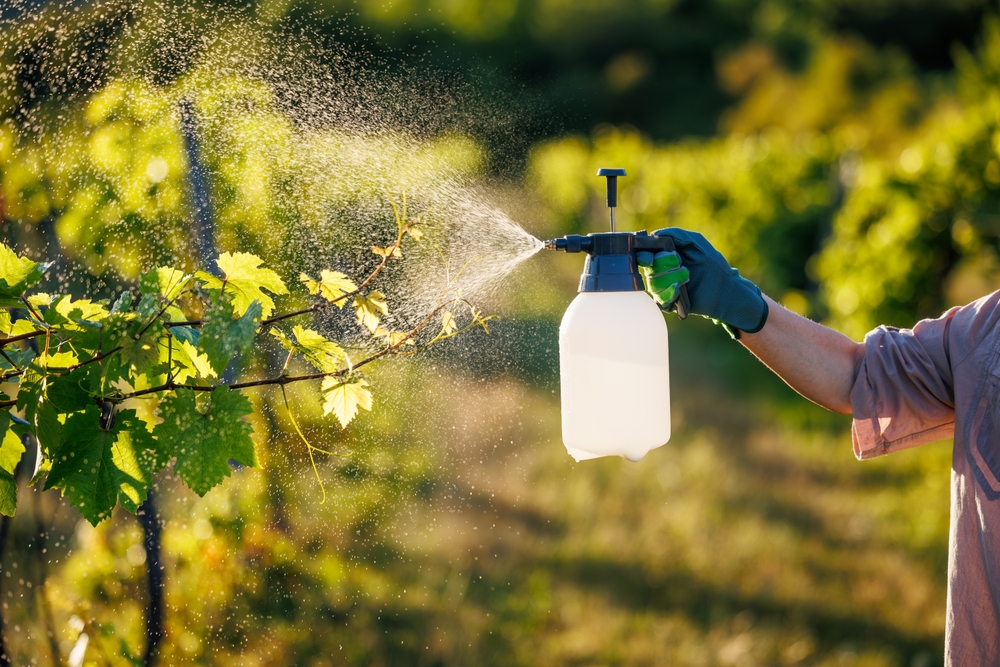
Many states have tightened regulations on chemical use in residential areas, especially products that can harm pollinators or contaminate waterways. Some pesticides that were once widely available are now restricted or require special handling. Using banned chemicals—or applying approved ones incorrectly—can lead to fines or environmental penalties.
Gardeners should read labels carefully, follow application instructions, and consider switching to integrated pest management techniques. Not only does this keep you compliant, but it also supports healthier soil and safer habitats for beneficial insects.
6. Composting Rules That Keep the Neighborhood Happy
Composting is a fantastic way to reduce waste and enrich your soil, but it’s not a free‑for‑all. Many cities have rules about where compost bins can be placed, how they must be maintained, and what materials can be included. Improper composting can attract pests or create odors, which is why regulations exist in the first place. Violations can lead to warnings or fines, especially if neighbors complain.
Gardeners should ensure their compost setup is secure, well‑managed, and located according to local guidelines. A tidy compost system keeps everyone happy—including the microbes doing the real work.
7. Property Line Planting Rules That Prevent Neighbor Disputes
Planting too close to a property line can create legal headaches, especially if branches or roots cross into a neighbor’s yard. Many municipalities have setback requirements for hedges, trees, and tall shrubs to prevent disputes and maintain visibility near sidewalks or driveways. Ignoring these rules can lead to forced removal or trimming at your expense.
Before planting anything large or fast‑growing, gardeners should measure carefully and consider how big the plant will be in a few years. A little planning now can prevent a lot of conflict later.
8. Wildlife Protection Laws That Affect Your Garden Choices
Some areas have regulations designed to protect local wildlife, including birds, pollinators, and endangered species. These rules can influence what you’re allowed to remove, disturb, or plant. For example, certain nesting seasons may limit when you can trim shrubs or trees. Wetland‑adjacent properties may have additional restrictions to preserve habitats.
Violating wildlife protection laws can result in significant penalties, so gardeners should be aware of any special environmental designations near their property. Supporting wildlife can also make your garden more vibrant and ecologically balanced.
9. Rainwater Collection Rules That Aren’t the Same Everywhere
Collecting rainwater is becoming more popular, but it’s not universally unrestricted. Some states regulate the size of rain barrels, the placement of collection systems, or the amount of water homeowners can store.
These rules are designed to balance individual use with broader water‑management needs. Before installing a new system, gardeners should check local guidelines to ensure compliance. When done correctly, rainwater collection can reduce water bills and support a more sustainable garden.
The Real Cost of Ignoring Gardening Laws in 2026
Gardening may be a peaceful pastime, but the rules surrounding it are anything but casual. Staying informed about local regulations helps protect your wallet, your property, and the environment. Whether you’re planting a new tree, installing a rain barrel, or refreshing your landscaping, taking a few minutes to check the rules can save you from costly surprises. A well‑planned garden isn’t just beautiful—it’s compliant, sustainable, and stress‑free.
What gardening rule surprised you the most this year? It’s important to follow the law, so which of these will impact you in 2026? Talk about it in our comments section below.
You May Also Like…
Should You Really Be Paying A Lawncare Company to Take Care of Your Yard Year Round?
New HOA Crackdowns Are Targeting Backyard Gardens in 2026
These Plants Could Get You Fined — Most Gardeners Have No Idea
New HOA Rules in the Carolinas Are Banning These Common Garden Features
This One Winter Gardening Habit Could Be Attracting Rats—Here’s How to Fix It Fast

Brandon Marcus is a staff writer for FrugalGardening.com at District Media, Inc., where he delivers practical gardening advice with a relatable, no-nonsense style. An avid amateur gardener, he holds a BA degree and with over ten years of professional writing experience, he is also an award-winning published author whose first book, Questions For Deep Thinkers, was released by Adams Media. His work has appeared in major publications including Fandom.com, CHUD.com, TheColdWire.com, and Fansided.com.
Leave a Reply