Rosemary, thyme, and sage bring serious personality to a garden, especially when water becomes scarce and every drop counts. These herbs do not just survive dry conditions; they turn them into an advantage by producing stronger aromas and concentrated flavors that make cooking far more exciting. Many gardeners overlook how well these Mediterranean natives handle heat and dry soil, yet they often outperform fussier plants that demand constant attention.
They settle in with confidence and require far less watering than most traditional garden favorites. Their resilience also makes them a smart choice for anyone trying to cut back on irrigation without sacrificing beauty or usefulness. With the right placement and a few simple habits, these herbs turn even challenging garden spaces into productive, fragrant corners worth lingering in.
Why These Herbs Handle Dry Conditions So Well
Rosemary, thyme, and sage evolved in rocky, sun-soaked regions where rainfall arrives sparingly and soil drains quickly, which shaped their natural survival strategies. Their leaves developed oils that reduce water loss while also delivering a bold fragrance that intensifies in dry weather. Deep root systems allow them to tap into moisture far below the surface, giving them stability during long stretches without rain. These adaptations make them ideal candidates for gardeners who want reliability without constant watering routines or complicated maintenance schedules. They also respond better to slight neglect than to overcare, which surprises many new herb growers who assume more attention always means better results.
In practical garden terms, these herbs prefer soil that dries between waterings rather than staying consistently damp, which prevents root issues and encourages stronger growth habits. Excess moisture often creates more problems than drought for these plants, especially in cooler climates where evaporation slows down. Rosemary especially dislikes wet feet and performs best when planted in raised beds or containers with excellent drainage. Thyme spreads low and wide, forming dense mats that naturally shade soil and help retain just enough moisture for steady growth. Sage develops sturdy stems and textured leaves that handle heat with ease, making it a dependable anchor in any water-wise herb collection.
Smart Planting Choices That Set Them Up for Success
Success with these herbs starts long before watering schedules enter the picture, because placement and soil quality shape everything they do afterward. Full sun exposure matters more than almost anything else, since these plants rely on strong light to produce oils that define their flavor and resilience. Well-draining soil acts like a safety net, preventing water from lingering around roots and encouraging healthy oxygen flow underground. Gardeners often improve conditions by mixing sand or small gravel into heavy soil, which mimics the rocky environments these herbs naturally prefer. Once planted in the right spot, these herbs require far fewer interventions and reward patience with steady, reliable growth.
Spacing also plays a bigger role than many expect, because airflow reduces disease pressure and keeps foliage dry after watering or rainfall. Rosemary grows upright and woody, so it benefits from room to expand without crowding neighboring plants. Thyme spreads outward in a low, creeping pattern that fills gaps between stones or along borders with ease. Sage grows into a bushy structure that can dominate small spaces if planted too closely to delicate companions. Thoughtful placement prevents competition and allows each herb to develop its own distinct character without unnecessary stress.
Water-Smart Care That Keeps Herbs Healthy and Flavorful
Once established, these herbs respond best to infrequent but deep watering rather than frequent shallow sprinkles that encourage weak surface roots. Allowing soil to dry out between watering sessions strengthens root systems and improves drought tolerance over time. Containers require more attention than garden beds, yet even they benefit from a “less is more” approach that avoids soggy conditions. Mulching lightly with gravel or coarse materials helps regulate soil temperature while still allowing air and water to move freely. Consistency matters more than volume, because these herbs prefer predictable cycles over constant moisture fluctuations.
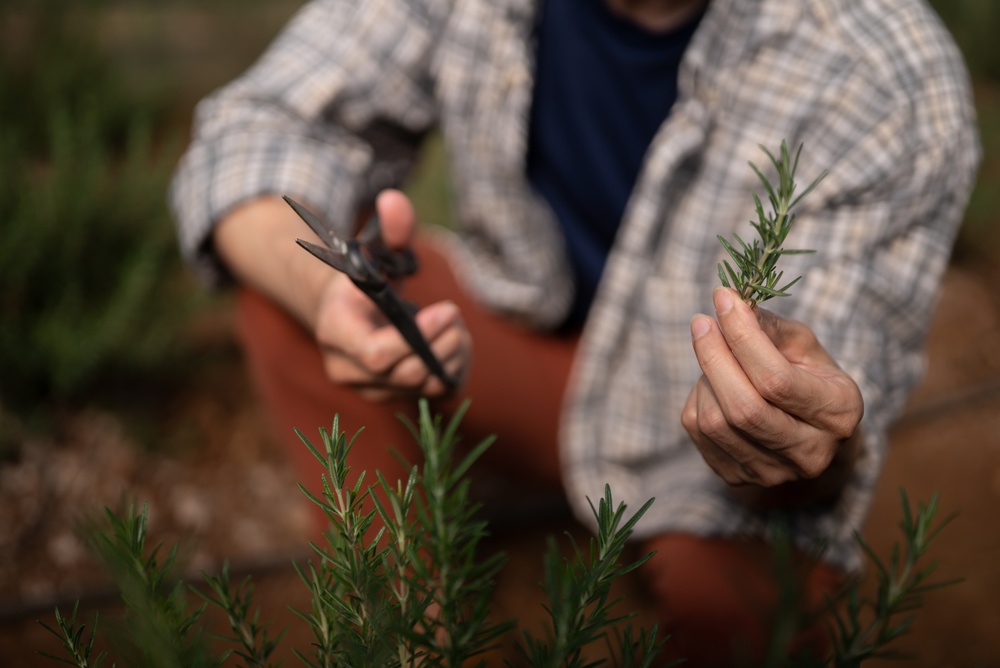
Harvesting also influences plant vigor, since regular trimming encourages fuller growth and prevents woody stems from taking over too quickly. Rosemary benefits from selective snipping of young sprigs, which keeps the plant shaped and productive without stressing its structure. Thyme responds well to frequent light harvests that prevent flowering from slowing leaf production. Sage should receive more careful cuts, focusing on outer leaves to preserve the plant’s central growth point. Each harvest not only supports culinary use but also reinforces healthier, more compact plants that handle dry conditions with even greater ease.
A Flavorful Garden That Works With the Climate, Not Against It
These herbs prove that a productive garden does not require constant watering or high-maintenance routines to deliver impressive results. Their natural adaptations align perfectly with dry conditions, making them dependable choices for gardeners who want efficiency without sacrificing flavor or beauty. Rosemary, thyme, and sage each bring distinct textures, aromas, and culinary value, yet they share a common ability to flourish where other plants struggle. Choosing them creates a garden that feels intentional, resilient, and surprisingly generous even during long stretches of heat or drought. With thoughtful placement and simple care habits, they turn water-conscious gardening into something both practical and deeply rewarding.
Which of these herbs would earn a permanent spot in your low-water garden, and how would they be used in everyday cooking? It’s time to share thoughts, opinions, and experiences below in our comments.
You May Also Like…
Why More People Are Growing Herbs Instead of Buying Them
Grow Your Own Medicine Cabinet: Affordable Herbs to Plant This Summer
How to Grow Herbs Without Buying Starters
8 Easy Plants That Can Survive Record Heat
10 Plants That Can Survive Brutal Southern Summers

Brandon Marcus is a staff writer for FrugalGardening.com at District Media, Inc., where he delivers practical gardening advice with a relatable, no-nonsense style. An avid amateur gardener, he holds a BA degree and with over ten years of professional writing experience, he is also an award-winning published author whose first book, Questions For Deep Thinkers, was released by Adams Media. His work has appeared in major publications including Fandom.com, CHUD.com, TheColdWire.com, and Fansided.com.
Leave a Reply