Unfortunately, it feels like grocery bills keep climbing higher these days. Thankfully, a backyard garden can become more than a hobby; it can become a smart way to bring fresh food closer to home. The right crops planted at the right time can help stretch a food budget while adding flavor that store-bought produce often struggles to match.
A garden does not need acres of land or a complicated setup to make a difference. A few containers, a sunny corner, or a small raised bed can produce surprisingly useful harvests when gardeners choose vegetables that offer plenty of food for the effort. Some crops simply give more back, making them excellent choices when every grocery trip feels a little more expensive.
Choose Crops That Deliver More Food for Less Effort
Leafy greens make an excellent starting point because they grow quickly and provide multiple harvests from the same planting. Lettuce, spinach, kale, and Swiss chard can fill salads, wraps, soups, and side dishes without requiring a large garden space. These crops also work well in containers, which makes them friendly options for balconies and patios.
Green beans deserve a spot in many gardens because they produce a generous supply from a small area. Bush beans grow compactly, while pole beans climb upward and create a vertical harvest that saves ground space. Gardeners who enjoy fresh vegetables throughout the season often appreciate how regularly bean plants offer new pods when picked frequently.
Add Reliable Vegetables That Stretch Meals
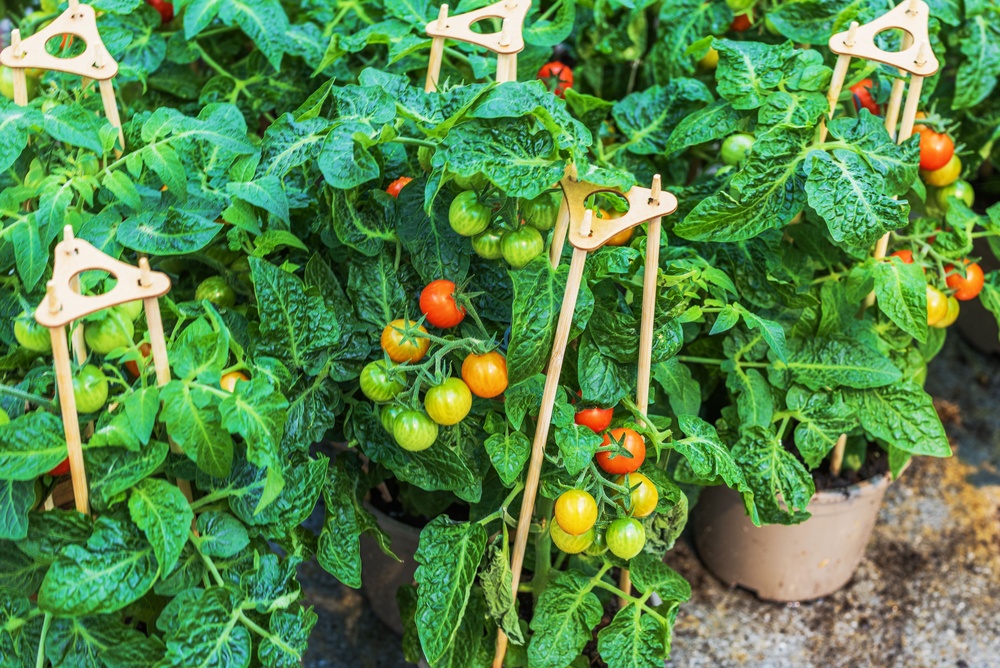
Tomatoes remain a favorite for good reason because a single healthy plant can provide plenty of fresh fruit for sandwiches, sauces, and summer meals. Cherry tomatoes often perform especially well for beginners because they produce steadily and require less patience than larger varieties. A sunny location, consistent watering, and support for climbing stems can help tomato plants produce a rewarding harvest.
Herbs also deserve attention when grocery prices create frustration at the checkout. Basil, parsley, cilantro, and chives take little room but add big flavor to everyday meals. Fresh herbs can turn simple dishes into something special, and many varieties grow happily in pots near a kitchen door.
Plant Cool-Season Crops for Earlier Harvests
Many gardeners focus only on summer vegetables, but cooler months offer excellent opportunities for growing food. Carrots, radishes, peas, and leafy greens handle cooler temperatures well and can provide fresh produce before many warm-season crops arrive. These vegetables also help gardeners keep their growing space productive during changing seasons.
Root crops bring another advantage because they often require less attention once established. Carrots and beets grow beneath the soil, which protects them from some common garden challenges. Radishes move especially fast, making them a fun choice for gardeners who want quick results without waiting months for dinner ingredients.
Consider Space-Saving Crops for Smaller Gardens
Small gardens can still create impressive harvests when every inch receives careful attention. Cucumbers, peppers, and compact squash varieties can fit into tighter spaces with thoughtful planning and proper support. Trellises, cages, and vertical growing methods help plants reach upward instead of spreading across valuable garden ground.
Container gardening opens even more possibilities for people who lack traditional garden beds. Peppers, herbs, lettuce, and some tomato varieties grow well in large pots with quality soil and regular watering. A few containers near a sunny window or doorway can create a miniature produce section just steps away from the kitchen.
Grow Smart and Build a Garden That Pays Back
Choosing crops based only on popularity can lead to disappointment because every garden has different sunlight, soil, and climate conditions. A vegetable that produces beautifully in one yard may struggle in another location. Smart gardeners match plants with their growing conditions instead of forcing every trendy crop into the garden.
The best money-saving gardens focus on vegetables that households actually use. Growing a favorite salad green, cooking herb, or dinner vegetable creates real value because the harvest replaces something that would likely come from the grocery store. A garden does not need to provide every meal to make a noticeable difference in the kitchen.
Turn Rising Produce Costs Into a Garden Opportunity
A productive garden starts with simple choices, not an overwhelming list of plants. Selecting dependable crops like beans, greens, tomatoes, herbs, and root vegetables can create a steady supply of useful ingredients throughout the growing season. These plants combine practicality with the satisfaction of collecting food from the backyard.
Gardeners can save money, reduce grocery store trips, and enjoy fresher flavors by giving a little attention to what grows best nearby. The goal does not involve creating a perfect garden magazine display. The goal involves growing food that makes daily meals easier, tastier, and a little less expensive.
Which vegetables do you plan to plant this season to save money on groceries and bring more fresh produce home?
You May Also Like…
The Gardening Trend That Could Help Lower Grocery Bills in 2026
Stop Paying Grocery Store Prices: The 1 Backyard Move That Cuts Your Food Costs
8 Foods You Can Regrow From Grocery Store Scraps
Why Grocery Inflation Is Sending Americans Back to Gardening Again
7 Grocery Items You Can Replant Once and Harvest for Months

Brandon Marcus is a staff writer for FrugalGardening.com at District Media, Inc., where he delivers practical gardening advice with a relatable, no-nonsense style. An avid amateur gardener, he holds a BA degree and with over ten years of professional writing experience, he is also an award-winning published author whose first book, Questions For Deep Thinkers, was released by Adams Media. His work has appeared in major publications including Fandom.com, CHUD.com, TheColdWire.com, and Fansided.com.
Leave a Reply