Backyard gardening does more than add charm to a home. It also helps trim grocery bills, reduce waste, and stretch resources through the hottest months of the year. A few smart changes in how a garden gets planned and maintained can turn an ordinary yard into a steady source of fresh produce and savings.
Summer gardening often brings big excitement and even bigger expenses if planning stays loose. Plants get bought on impulse, water gets overused, and supplies pile up faster than expected. A handful of practical backyard strategies can flip that pattern and keep more money in the pocket while still producing a vibrant, productive garden.
1. Compost Kitchen Scraps Into Free Plant Fuel
Kitchen scraps hold surprising value once they leave the cutting board and head into a compost bin. Vegetable peels, coffee grounds, and eggshells break down into nutrient-rich material that feeds soil naturally. This reduces the need to buy store-bought fertilizers that often cost more than expected. A simple backyard bin or tumbler keeps the process tidy and easy to manage. Over time, compost transforms ordinary garden beds into healthier, more productive spaces.
Composting also reduces household waste in a noticeable way, especially during peak cooking months. Instead of tossing scraps into the trash, they return to the garden in a useful cycle. This habit supports stronger soil texture and better moisture retention during hot weather. The savings add up quietly but consistently throughout the season.
2. Collect Rainwater for Thirsty Garden Beds
Rainwater collection offers a simple way to lower outdoor water bills during summer. A basic barrel placed under a downspout captures runoff that would otherwise disappear into the ground. Plants respond well to this natural water source since it lacks the additives found in treated tap water. Positioning containers near vegetable beds makes watering quick and efficient. Every collected gallon reduces reliance on the hose.
This approach also helps during dry spells when watering restrictions may appear. Stored rainwater gives gardeners more control over plant care without added cost. Even small setups make a noticeable difference in garden hydration. The system stays low maintenance once installed and keeps paying off all season long.
3. Grow Herbs in Containers for Constant Savings
Herbs like basil, parsley, and mint grow well in containers placed on patios, steps, or sunny corners. These small plants replace frequent grocery store herb purchases that often cost more than expected for tiny bundles. A single container can provide repeated harvests throughout the summer. Regular trimming encourages new growth and keeps plants productive. Fresh herbs also elevate meals without extra spending.
Container gardening allows full control over soil quality and placement. Moving pots into better sunlight improves plant performance without replanting. It also keeps herbs close to the kitchen, which encourages regular use instead of waste. This setup turns everyday cooking into a cost-saving habit.
4. Use Mulch to Lock in Moisture and Cut Water Use
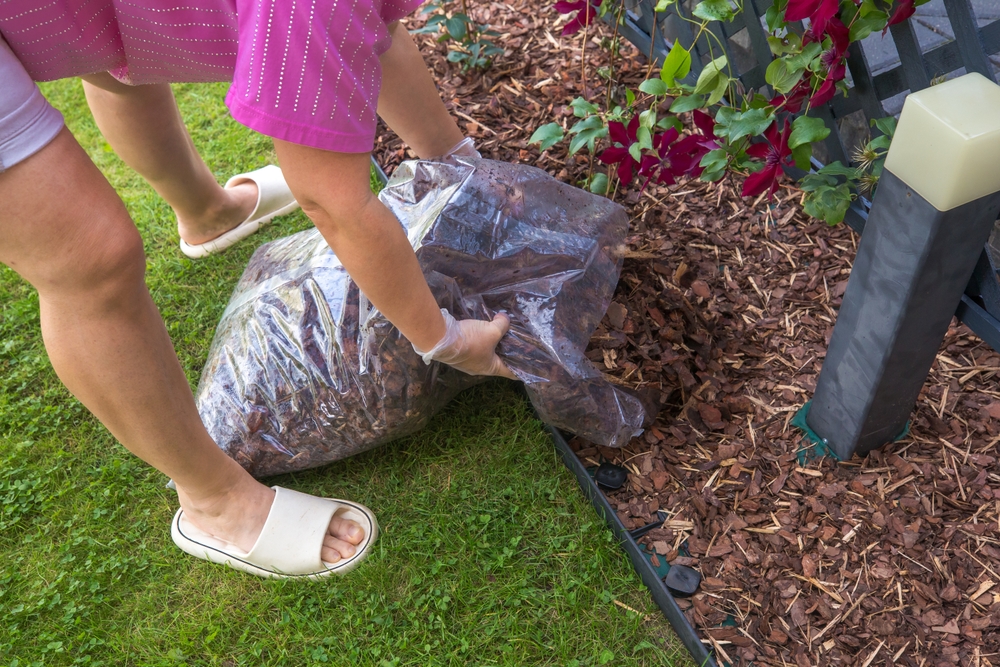
Mulch acts like a protective blanket over garden soil, slowing down evaporation during hot days. Wood chips, straw, or shredded leaves work especially well for this purpose. This layer helps soil stay cooler and reduces how often watering becomes necessary. Plants experience more stable growing conditions with less stress from heat swings. Gardeners notice fewer dry patches and healthier root systems.
Applying mulch also suppresses weed growth, which reduces time spent pulling unwanted plants. Fewer weeds mean less competition for water and nutrients in garden beds. This dual benefit saves both effort and resources across the season. A well-mulched garden quietly cuts multiple costs at once.
5. Save Seeds for Next Season’s Planting
Seed saving allows gardeners to reuse plant genetics without buying new packets every year. Tomatoes, peppers, beans, and many herbs produce seeds that store well when dried properly. This habit reduces yearly gardening expenses while encouraging stronger plant familiarity over time. Carefully labeled containers keep saved seeds organized and ready for future planting. Each saved seed packet represents money not spent at the store.
This practice also builds a deeper connection to the garden’s natural cycle. Plants adapt to local conditions over time, often producing more reliable results. Seed saving encourages thoughtful harvesting and observation throughout the growing season. It turns gardening into a long-term investment rather than a recurring expense.
6. Practice Companion Planting for Healthier Growth
Companion planting pairs certain crops together so they support each other’s growth. For example, basil planted near tomatoes can help improve growth conditions while maximizing space. Marigolds placed around vegetable beds help reduce pest problems naturally. This reduces the need for store-bought pest control products. Smart plant pairing creates a more balanced and efficient garden.
This method also improves pollination and overall garden diversity. Strong plant relationships reduce disease spread and improve yield stability. Gardeners spend less time fixing problems and more time harvesting results. Companion planting turns small spaces into productive ecosystems.
7. Turn Yard Trimmings Into Natural Fertilizer
Grass clippings, leaves, and small branches often get discarded after yard work. These materials can instead feed garden beds when broken down properly. Shredded trimmings return nutrients to the soil and reduce the need for purchased fertilizers. A simple layering system creates a slow-release nutrient source over time. This keeps garden soil active and rich throughout the season.
Using yard waste this way also reduces disposal costs and effort. Instead of hauling debris away, it gets recycled directly into plant health. This closes the loop between yard maintenance and gardening success. The garden becomes more self-sufficient with each cycle.
A Smarter Backyard That Pays You Back All Season
These backyard gardening ideas work best when combined into a simple, consistent routine. Each practice reduces waste, cuts unnecessary spending, or improves garden productivity in a practical way. Small adjustments stack up quickly and change how a garden performs through the entire summer. A thoughtful backyard setup turns everyday chores into opportunities for savings and better harvests. The result feels less like work and more like a steady, rewarding system that supports both plants and budget.
What backyard trick has made the biggest difference in saving money during the summer season? We want to hear your thoughts below in our comments section.
You May Also Like…
7 Things You Should Never Put in Your Compost Bin
Mulching Magic: Budget-Friendly Ways To Conserve Water And Suppress Weeds
The Mulch Depth Error That Blocks Oxygen to Roots
Stop Buying Fertilizer: 6 Free Kitchen Scraps That Supercharge Your Soil
5 Disease Prevention Tips That Actually Work

Brandon Marcus is a staff writer for FrugalGardening.com at District Media, Inc., where he delivers practical gardening advice with a relatable, no-nonsense style. An avid amateur gardener, he holds a BA degree and with over ten years of professional writing experience, he is also an award-winning published author whose first book, Questions For Deep Thinkers, was released by Adams Media. His work has appeared in major publications including Fandom.com, CHUD.com, TheColdWire.com, and Fansided.com.
Leave a Reply