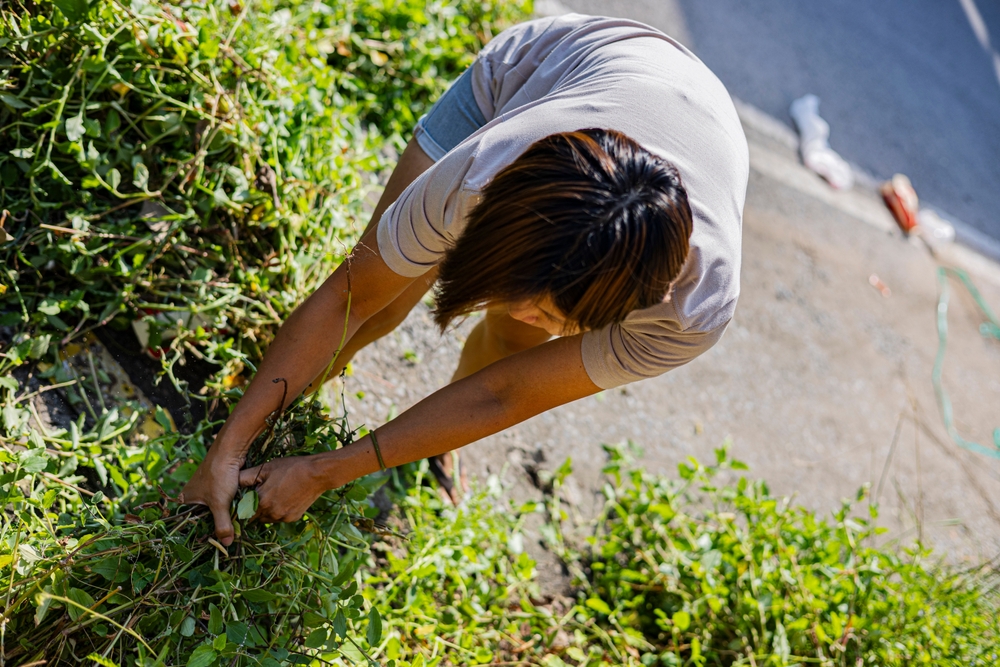
Your garden is a living, breathing battleground, and every leaf has a story that might surprise you. One moment you’re admiring fresh green growth, and the next you’re wondering if that newcomer is a future flower or a silent saboteur. Some plants arrive with good intentions, others sneak in wearing disguises, and a few deserve a permanent spot no matter what they look like today.
Knowing the difference can save you time, effort, and a whole lot of frustration. Get ready, because once you know what to pull and what to protect, your garden will never look the same again.
Weeds Are Not Always The Enemy
Not every uninvited plant is out to ruin your hard work, even if it looks a little suspicious at first glance. Some weeds act like nature’s ground cover, protecting soil from erosion and extreme temperatures. Others quietly pull nutrients from deep underground and make them available to nearby plants. Pulling everything that pops up can actually weaken your garden’s natural balance. Learning which weeds are helpful can turn chaos into cooperation.
Know The Difference Between Annuals And Perennials
Annual plants live fast and die young, completing their life cycle in a single season. Many common garden weeds fall into this category and rely on spreading seeds quickly. Perennials, on the other hand, come back year after year, often with deeper roots and more staying power. Pulling a perennial at the wrong time can spread it even further if roots are left behind. Understanding this difference helps you decide whether to act immediately or plan a smarter long-term strategy.
Beneficial Volunteers Deserve A Second Look
Volunteer plants are surprise guests that sprout from last year’s seeds or nearby gardens. Some of them turn out to be tomatoes, squash, or flowers you loved before. These volunteers are often well adapted to your soil and climate, making them surprisingly resilient. Pulling them too quickly can mean losing free, healthy plants. Giving them a little time can reveal whether they’re worth keeping.
Invasive Plants Require Swift Action
Invasive species play by their own rules and rarely show mercy to neighboring plants. They spread aggressively, crowd out natives, and can permanently alter soil and ecosystems. Leaving them “just to see what happens” almost always ends badly. The sooner you identify and remove invasive plants, the easier the job will be. Quick action protects both your garden and the surrounding environment.
Native Plants Are Often Worth Protecting
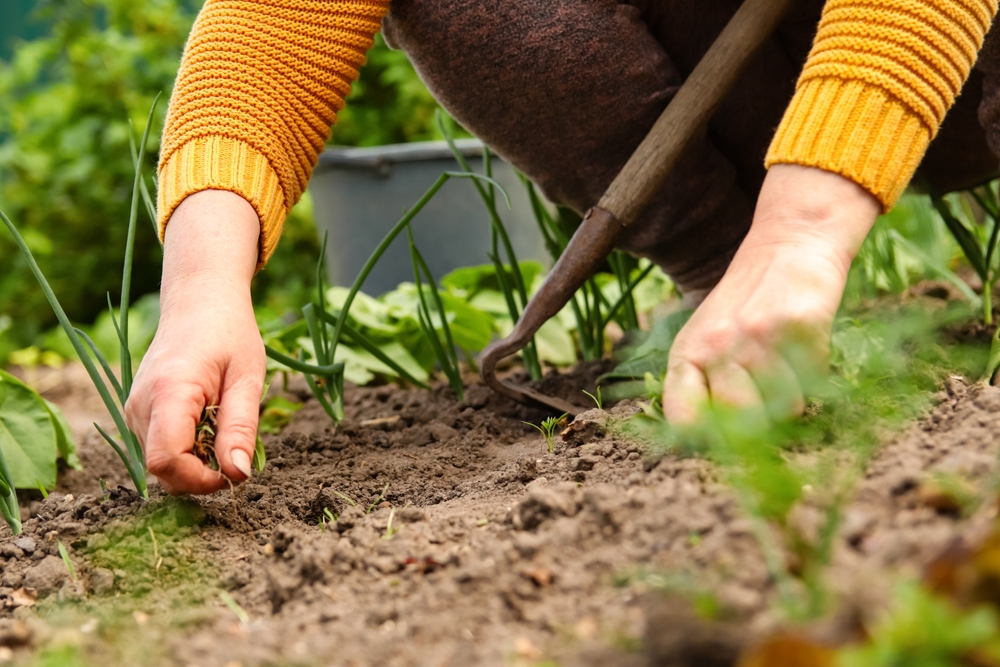
Native plants evolved to thrive exactly where you live, which makes them tough and reliable. They support local pollinators, birds, and beneficial insects that keep gardens healthy. What looks like a weed might actually be a native wildflower waiting for its moment. Pulling native plants can weaken local ecosystems without you even realizing it. Learning what belongs naturally in your area is one of the smartest gardening moves you can make.
Soil Health Can Guide Your Decisions
Some plants appear when soil is compacted, depleted, or unbalanced. Dandelions, for example, often signal compacted soil and work to loosen it naturally. Instead of pulling everything, pay attention to what the soil might be trying to tell you. Certain plants act like living diagnostics for underground problems. Addressing the soil issue can make those plants disappear on their own over time.
Timing Matters More Than You Think
Pulling the right plant at the wrong time can cause more harm than good. Many weeds are easiest to remove before they flower and go to seed. Others are best tackled when the soil is moist, and roots slide out cleanly. Waiting too long can mean a small problem becomes a season-long headache. Smart timing turns weed control into a much easier task.
Observation Is A Gardener’s Secret Weapon
The best gardeners don’t rush; they watch. A plant that looks annoying today might reveal flowers, fruit, or benefits tomorrow. Taking photos and tracking growth patterns helps you spot repeat offenders and valuable allies. Observation builds confidence and reduces regretful yanking. Sometimes the smartest move is simply to wait and learn.
Pull With Purpose, Not Panic
Gardening gets a lot easier when you stop reacting and start understanding. Every plant tells a story about your soil, your climate, and your garden’s health. By learning which plants deserve removal, and which deserve protection, you gain control without fighting nature. Mistakes will still happen, and that’s part of the fun.
Feel free to leave your thoughts or garden stories in the comments section below and join the conversation.
You May Also Like…
9 Edible Weeds That Pop Up in September
Killing Weeds with Diesel? Here’s What You Need to Know First
10 DIY Cold-Frame Hacks for Winter Veggies
How to Prep Soil for Bulbs Without Spending a Fortune
9 Crops That Should Be Dug Up Before Heavy Rain

Brandon Marcus is a staff writer for FrugalGardening.com at District Media, Inc., where he delivers practical gardening advice with a relatable, no-nonsense style. An avid amateur gardener, he holds a BA degree and with over ten years of professional writing experience, he is also an award-winning published author whose first book, Questions For Deep Thinkers, was released by Adams Media. His work has appeared in major publications including Fandom.com, CHUD.com, TheColdWire.com, and Fansided.com.
Leave a Reply