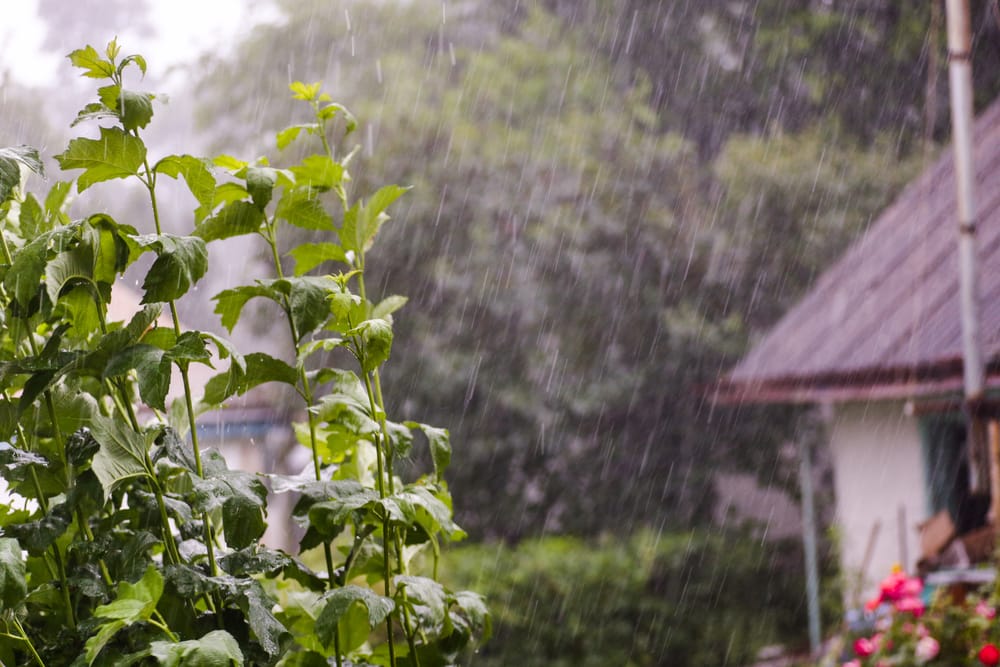
When storm clouds start gathering and the air turns that oddly electric shade of “something big is coming,” gardeners everywhere begin doing mental math. How long until the rain hits? How much will it dump? And—most importantly—which crops need to come out of the ground now before Mother Nature decides to drown them? Heavy rain can be a blessing, sure, but it can also transform a thriving garden into a soggy disaster zone.
To save you from heartbreak, rot, and the painful sight of ruined harvests, here are nine crops you’ll want to rescue before the skies open up and soak everything in sight.
1. Potatoes
Potatoes love moisture, but they absolutely hate being waterlogged. When a heavy rain hits, the soil can quickly become saturated, increasing the risk of rot and disease.
Leaving potatoes underground during extended downpours can lead to cracked skins or sprouting issues. Harvesting them early helps maintain their quality and flavor. If a big storm is on the way, digging them up ahead of time is almost always the safer bet.
2. Onions
Onions are tough, but their papery skins can’t protect them from prolonged moisture. Heavy rain can cause them to swell too fast, split open, or develop mold. If the bulbs are already close to maturity, it’s much better to pull them out before the water arrives. Once rain hits, drying and curing onions becomes significantly harder. Harvesting them early ensures they keep well and maintain their sharp, delicious bite.
3. Garlic
Garlic bulbs can turn mushy almost overnight if they sit in overly wet soil. Since garlic matures underground, the biggest danger during heavy rain is trapped moisture that leads to rot. Even if the tops still look green, the bulbs may be fully formed and ready to pull. Removing them before storms roll in helps preserve their tight skins and rich flavor. Plus, cured garlic tastes far better when it hasn’t survived a soil swamp.
4. Carrots
Carrots may look hardy, but their delicate taproots are surprisingly vulnerable to excessive water. After a major rainfall, carrots can swell rapidly and split, making them less appealing and harder to store. The soil can also compact heavily after storms, making harvesting later much more difficult. Pulling carrots ahead of time ensures better shape, taste, and texture. A pre-storm harvest also means no muddy wrestling match with sticky, soaked soil.
5. Beets
Beets are moisture-sensitive root vegetables that react badly to sudden spikes in soil water content. Heavy rain can cause their roots to expand too quickly, leading to cracking or watery, flavorless flesh. If beets are close to full size, it’s best to remove them before a storm saturates the garden. Early harvesting also prevents fungal issues that spread rapidly in wet conditions. A quick pre-rain pull keeps beets vibrant, crisp, and delicious.
6. Sweet Potatoes
Sweet potatoes are more delicate than many gardeners expect, especially when excessive rain enters the picture. Saturated soil can soften their skins, encourage rot, and create an environment where pests thrive. Unlike regular potatoes, sweet potatoes bruise easily during post-rain harvesting because wet soil clings to them. Digging them up early helps protect their shape and sweetness. Giving them time to cure properly afterward enhances their flavor even more.
7. Radishes
Radishes grow fast, but they also ruin fast when drowning in too much water. Heavy rain encourages them to crack, split, or turn woody nearly overnight. Since radishes are small and quick to harvest, it’s worth pulling them as soon as storms are predicted. Harvesting early prevents the sharp, crisp roots from becoming soggy disappointments. Their flavor also holds up better when they’re not forced to endure a downpour.
8. Turnips
Turnips can handle mild moisture but are not built for extreme saturation. Heavy rainfall can lead to misshapen roots, hollow centers, or surface cracking. If they’re close to full size, they’ll fare much better above ground than beneath it during a storm. Pulling them early also reduces pest activity, as many insects thrive after wet weather. For best texture and taste, it’s smart to harvest them before the storm hits.
9. Shallots
Shallots are similar to onions but even more sensitive to soggy conditions. Heavy rain can cause mold to form quickly between the clustered bulbs. If they’re left in wet soil for too long, their skins may not cure properly, shortening their shelf life significantly. Harvesting before storms helps keep them dry, clean, and easy to store. Properly dried shallots can last months—so rescuing them early is worth the effort.
Protect Your Harvest Before The Skies Open Up
Heavy rain may be great for certain plants, but for these crops, it can spell disaster faster than you’d expect. Pulling them early preserves their quality, saves you from battling rot or pests, and ensures your hard-earned harvest doesn’t get washed away. With a little foresight and quick action, you can keep your vegetables safe and avoid the heartbreak of ruined roots.
Have you ever lost a crop to unexpected heavy rain? Share your stories, tips, or lessons with others.
You May Also Like…
Why Rainwater Collection Is Easier in Fall
How Fall Rainfall Impacts Soil Compaction
11 Compelling Reasons to Embrace Rainwater Harvesting for Sustainable Living
Why Winter Cover Crops Boost Soil Health
How Storing Root Crops Extends Winter Food Supplies

Brandon Marcus is a staff writer for FrugalGardening.com at District Media, Inc., where he delivers practical gardening advice with a relatable, no-nonsense style. An avid amateur gardener, he holds a BA degree and with over ten years of professional writing experience, he is also an award-winning published author whose first book, Questions For Deep Thinkers, was released by Adams Media. His work has appeared in major publications including Fandom.com, CHUD.com, TheColdWire.com, and Fansided.com.
Leave a Reply