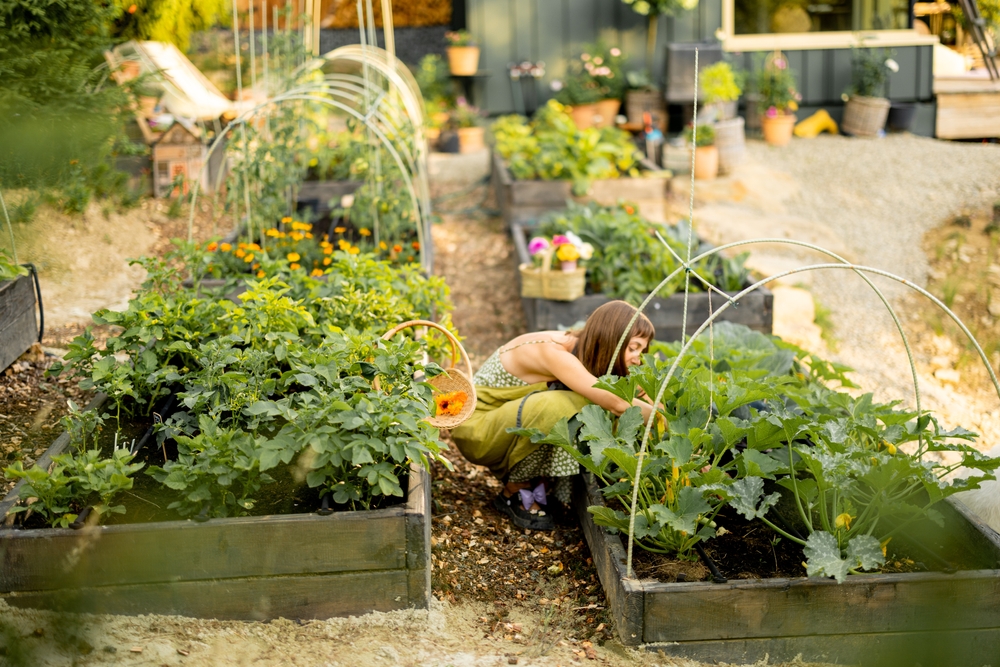
Winter has a reputation for slamming the brakes on gardening, but frost doesn’t have to mean failure, frozen dreams, or limp lettuce. When the air turns sharp and the ground stiffens, smart gardeners quietly switch tactics instead of surrendering. Raised beds, when built with cold in mind, become tiny fortresses that trap warmth, protect roots, and keep food growing long after neighbors have packed it in.
These beds don’t just survive frost—they work with it, using insulation, airflow, and clever materials to keep soil productive. If you’re ready to outsmart winter and garden like the seasons owe you a favor, these five DIY raised beds deliver.
1. The Straw-Bale Insulated Raised Bed
Straw bales stacked around a wooden raised bed create a thick, breathable insulation wall that traps daytime warmth and slows nighttime heat loss. As frost hits, the straw acts like a winter coat for your soil, keeping root zones several degrees warmer than the surrounding ground. This setup is especially effective for leafy greens, carrots, and hardy herbs that tolerate cool air but hate frozen roots. Over time, the straw slowly breaks down, adding organic matter and improving soil structure when you compost it later. Best of all, straw bales are affordable, easy to move, and surprisingly stylish in a rustic, winter-garden way.
2. The Cold-Frame Topped Raised Bed
A raised bed fitted with a hinged cold-frame lid turns frost into little more than background noise. Clear panels made from polycarbonate, old windows, or greenhouse plastic let sunlight flood in while blocking icy wind. During the day, heat builds up inside, and at night that warmth lingers just long enough to protect tender crops. You can prop the lid open on mild days to prevent overheating and close it tight when temperatures drop. This design keeps beds productive weeks earlier in spring and weeks later into winter without using electricity.
3. The Hugelkultur Frost-Fighter Bed
A hugelkultur raised bed uses buried logs, branches, and woody debris as a hidden heat and moisture engine. As the wood decomposes, it generates low-level warmth that helps buffer soil temperatures during frosty nights. The raised shape improves drainage, which prevents waterlogged soil from freezing solid around roots. This bed thrives under frost because it stores both heat and moisture deep below the surface. Once built, it becomes increasingly effective each year as decomposition continues doing the heavy lifting for you.
4. The Metal-Clad Heat-Absorbing Raised Bed
Metal-sided raised beds, especially those made from corrugated steel, excel at absorbing solar heat during the day. That captured warmth slowly radiates back into the soil as temperatures drop, reducing frost stress on plants. When paired with dark-colored soil and south-facing placement, this design becomes a passive solar powerhouse. The metal also resists rot, pests, and moisture damage, making it a long-term investment rather than a seasonal experiment. Add a layer of mulch inside, and you’ve got a bed that shrugs off cold like it’s just another mild evening.
5. The Compost-Heated Raised Bed
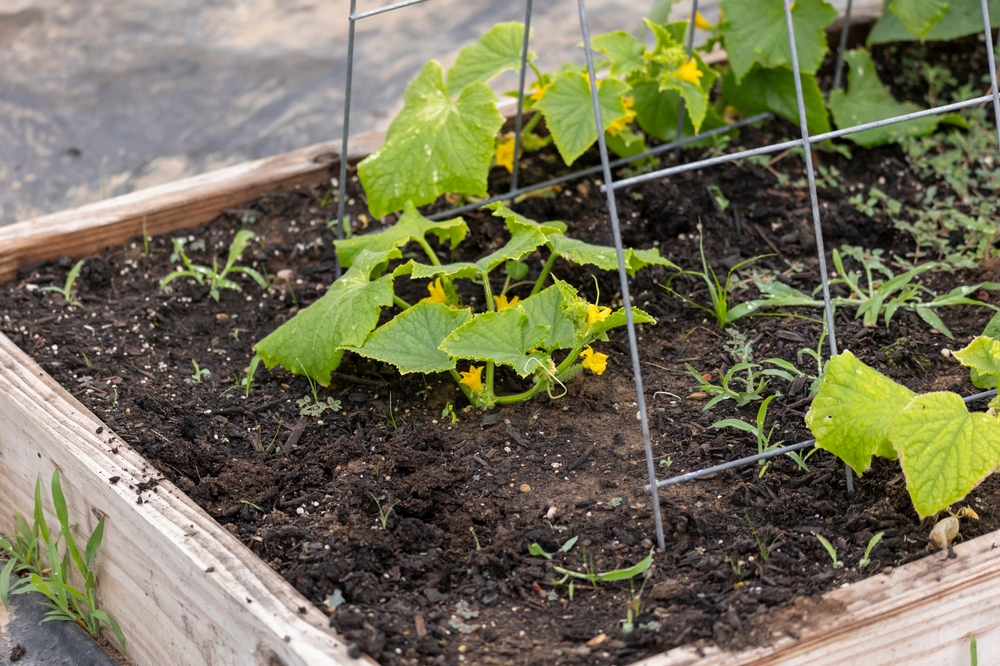
This raised bed uses active composting beneath or alongside the planting area to create natural bottom-up warmth. As microbes break down organic material, they release heat that gently warms the soil above. Frost may nip the surface, but roots remain protected in a cozy underground environment. This system works especially well for winter greens and early seedlings that need consistent soil temperatures. With the right balance of carbon and nitrogen, your compost becomes both fertilizer and heater.
Frost-Proof Gardening Starts With Smarter Beds
Frost doesn’t end the gardening season; it simply separates gardeners who stop from gardeners who adapt. These DIY raised beds prove that cold weather can be managed, redirected, and even used to your advantage with the right design choices. Whether you prefer straw insulation, solar heat, compost energy, or clever layering, there’s a frost-ready bed that fits your space and style. Each of these builds keeps soil alive, roots protected, and harvests coming when others have gone quiet.
Drop your experiences, ideas, or winter gardening wins in the comments section below and let the cold-weather creativity keep growing.
You May Also Like…
Why Your Raised Beds Might Be Failing in Winter
The Bed-Cleaning Trick That Makes Your Compost Work Twice as Fast
The Lazy Gardener’s Trick for Keeping Raised Beds Fertile All Winter
Why Perennial Beds Benefit From Extra Mulch Now
Why Garden Beds Sink After Leaf Mulching

Brandon Marcus is a staff writer for FrugalGardening.com at District Media, Inc., where he delivers practical gardening advice with a relatable, no-nonsense style. An avid amateur gardener, he holds a BA degree and with over ten years of professional writing experience, he is also an award-winning published author whose first book, Questions For Deep Thinkers, was released by Adams Media. His work has appeared in major publications including Fandom.com, CHUD.com, TheColdWire.com, and Fansided.com.
Leave a Reply