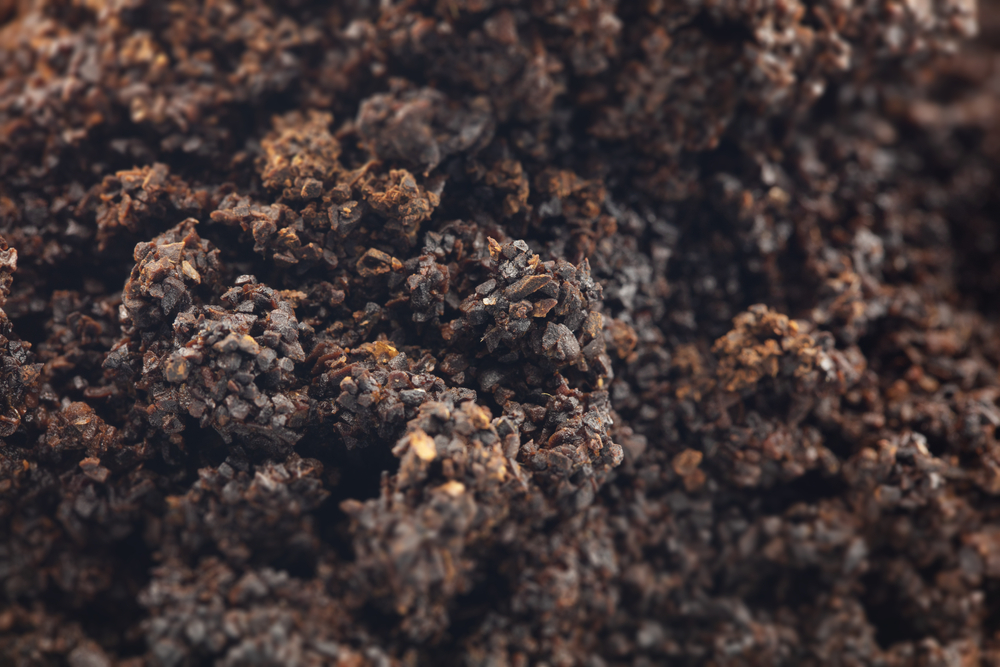
Imagine heading outside to plant a few spring flowers and discovering something strange in your garden bed. Instead of the rich, crumbly soil you’re accustomed to, the surface looks like someone dumped a bag of used coffee grounds across the ground. At first, you might think it’s a good sign because gardeners are constantly told that loose soil and earthworm activity are beneficial. Unfortunately, that unusual texture could be a warning that an invasive species has moved into your yard.
Researchers are warning gardeners about coffee ground soil caused by jumping worms, an increasingly widespread problem that can damage soil structure and interfere with plant growth. These invasive earthworms can transform the upper layers of soil while remaining largely unnoticed until their populations become established. Here’s what to look for and why this unusual soil texture deserves your attention.
That Coffee-Ground Texture Could Be a Warning Sign
Healthy garden soil often contains small aggregates that crumble easily, but soil affected by jumping worms can look noticeably different. Invasive jumping worms produce unusually uniform, granular castings that resemble used coffee grounds. These castings can accumulate across the soil surface, creating a loose, pellet-like layer that doesn’t behave like ordinary garden soil. Gardeners sometimes discover the problem while pulling weeds, transplanting perennials, or removing mulch from established flower beds. However, coffee-ground-like soil alone doesn’t confirm an infestation, so it’s important to look for additional evidence before assuming jumping worms are responsible.
The Culprit May Be an Invasive Earthworm From Asia
The worms associated with this unusual soil texture are commonly called Asian jumping worms, snake worms, or crazy worms. These invasive earthworms, including species in the Amynthas and Metaphire genera, originated in Asia and have established populations across numerous regions of the United States. The University of Minnesota Extension explains that they live primarily in leaf litter and the upper few inches of soil, where they consume organic material rapidly. Unlike familiar nightcrawlers that burrow into the ground, jumping worms concentrate much of their activity near the surface. Their feeding habits are a major reason coffee ground soil caused by jumping worms can develop in gardens that previously appeared healthy.
Their Movement Is Unlike Anything You’ve Seen From Ordinary Worms
If you suspect jumping worms are responsible for your soil’s unusual appearance, observing their behavior can provide another important clue. These worms thrash violently, twist like snakes, and may appear to jump when disturbed. Mature jumping worms also have a smooth, pale gray or whitish band that completely encircles their bodies near the head. Common European nightcrawlers generally have a more raised, saddle-shaped band and move less aggressively when handled. Because immature jumping worms may lack a clearly developed band, photographing suspected adults during late summer or early fall can make identification easier.
The Soil May Stop Holding Water the Way It Should
The problem with jumping worm castings isn’t simply that they look unusual or make garden beds less attractive. Their rapid consumption of organic matter can disrupt the soil structure that helps retain moisture and support healthy root systems. Jumping worm activity can create granular soil with poor water retention, making conditions difficult for many garden plants. Imagine watering your flower bed only to discover that the surface dries quickly and your plants continue showing signs of moisture stress. While drought, sandy soil, and other factors can cause similar symptoms, the combination of granular soil and jumping worm activity deserves closer investigation.
Your Perennials and Seedlings Could Pay the Price
Gardeners spend considerable time improving their soil with compost, mulch, and other organic materials to encourage healthy plant growth. Unfortunately, invasive jumping worms can rapidly consume the organic layer that supports seedlings, perennial roots, and beneficial soil organisms. Jumping worm activity can degrade soil structure, expose roots to drying conditions, and increase erosion risks. Shallow-rooted plants may struggle when the surrounding soil becomes unstable or loses the moisture-retaining qualities they need. Not every struggling plant indicates an infestation, but coffee ground soil caused by jumping worms can be an important clue when other growing conditions appear adequate.
You Might Have Brought the Problem Home Yourself
One of the most frustrating aspects of jumping worm infestations is how easily they can spread through ordinary gardening activities. Potted plants, mulch, compost, and contaminated soil can be common pathways for transporting worms or their cocoons. These tiny cocoons can be only a few millimeters across, making them difficult to detect even when the material appears clean. A free perennial from a neighbor, a load of bulk compost, or a plant purchased from an infested location could introduce jumping worms into a previously unaffected garden. That’s why inspecting soil and landscaping materials before moving them between properties is an important part of preventing their spread.
Freezing Weather Doesn’t Necessarily Eliminate Them
Gardeners in colder climates might assume that a harsh winter will naturally solve a jumping worm problem. Unfortunately, while adult jumping worms generally die after freezing temperatures arrive, their cocoons can survive winter conditions. Those cocoons may hatch when temperatures rise in spring, allowing populations to rebuild even after the adult worms disappear. Many jumping worm species can also reproduce without mating, which makes it easier for small populations to become established. Consequently, the absence of visible worms during winter or early spring doesn’t necessarily mean coffee ground soil caused by jumping worms is no longer a concern.
Don’t Reach for Pesticides or Homemade Remedies
Discovering an invasive species in your garden can make chemical treatments or viral home remedies seem appealing. However, no pesticides are approved specifically for controlling jumping worms in home lawns and gardens. Researchers are investigating potential treatments, including heat-based approaches, but there is currently no broadly proven method for eliminating established populations. Applying salt, household cleaners, or other unapproved substances could damage plants and soil organisms without reliably solving the problem. Instead, gardeners should prioritize preventing additional introductions, limiting movement of contaminated materials, and following recommendations from their local cooperative extension service.
There Are Practical Steps You Can Take Right Now
If you find suspected jumping worms, start by photographing the worms and the unusual soil so a local extension specialist can help verify the identification. Removing visible jumping worms, sealing them in a bag, and disposing of them in the trash is recommended rather than releasing them elsewhere. Avoid transporting soil, mulch, compost, or plants from affected areas, and clean tools and footwear before moving to another garden. When purchasing compost or mulch, ask suppliers whether their materials undergo appropriate heat-treatment procedures that can destroy jumping worm cocoons. You can continue gardening in affected beds, but taking precautions now can help prevent the infestation from spreading throughout your property.
Don’t Ignore What Your Garden Soil Is Telling You
Finding strange, coffee-ground-like soil doesn’t mean your garden is doomed, but it does mean you should take a closer look. The most useful clues include unusual granular castings, vigorously thrashing earthworms, and changes in how the soil supports moisture and plant roots. If you suspect jumping worms, confirm their identity before making major changes to your garden or spending money on unnecessary treatments. Focus on keeping potentially contaminated materials in place, inspecting new plants, and using reliable extension resources to guide your next steps. Recognizing coffee ground soil caused by jumping worms early may help you protect healthy areas of your garden and avoid spreading an invasive species to neighboring properties.
Have you ever noticed garden soil that looks like coffee grounds, or discovered unusual worms moving through your flower beds? Share what you’ve seen in the comments!
What to Read Next
These Invasive Worms Are Turning Garden Soil Into Something That Looks Like Coffee Grounds
Why Gardeners Should Think Twice Before Moving Soil From One Yard to Another
Leave a Reply