
If you’ve ever seen a gardener tucking their soil under a blanket of mulch, straw, or compost, you might wonder—what’s with the dirt blanket? Turns out, it’s not just about keeping things tidy or weed-free.
Beneath that cover, an invisible army of microbes is hard at work, transforming organic matter, balancing nutrients, and keeping your plants healthy. Covering your garden beds isn’t just a style choice—it’s a science-backed move that supercharges soil life.
The Microbial Underground: Why Soil Life Matters
Before we talk about coverings, let’s talk about who’s living in your soil. Every teaspoon of healthy soil contains billions of microscopic organisms—bacteria, fungi, protozoa, and more—that form the foundation of plant health. These microbes break down organic matter, release nutrients, and even protect plants from disease.
When soil is left bare, these tiny lifeforms are exposed to harsh sunlight, wind, and erosion, which can dry them out or kill them off. Think of covering your beds as giving your microbial community a comfortable home where they can eat, rest, and multiply without interruption.
Moisture Matters: How Covers Lock in Life
Soil microbes need moisture like we need oxygen. When garden beds are left uncovered, water evaporates faster than microbes can adapt. Mulch, compost, or leaf litter helps lock in moisture, maintaining a stable, damp environment where microbes can thrive. This consistency encourages bacterial and fungal populations to stay active longer, breaking down organic matter more efficiently. In short, covering your soil creates a mini climate zone that keeps life humming below the surface, no matter what the weather above is doing.
Temperature Control: A Cozy Blanket for Microbes
Soil microbes are sensitive to temperature changes. Just like people, they function best within a certain range—not too hot, not too cold. Bare soil can swing wildly between scorching in the summer and freezing in the winter, leaving microbes stressed and inactive. Covering beds acts as insulation, protecting the soil from extreme temperature fluctuations. This stable environment allows microbial activity to continue year-round, even when the rest of your garden is taking a nap.
Feeding Frenzy: Organic Covers Mean Endless Buffets
Microbes are nature’s ultimate recyclers—they live to decompose. When you cover your beds with organic materials like straw, leaves, or compost, you’re basically serving them an all-you-can-eat buffet. As the material breaks down, it feeds microbial populations, which in turn create nutrient-rich humus for your plants. It’s a perfect cycle of give and take: microbes digest the cover, plants absorb the nutrients, and the soil becomes healthier with every passing season. Over time, this process builds dark, crumbly, living soil that practically grows plants on autopilot.
Erosion Control: Keeping Microbial Homes Intact
When rain and wind hit bare soil, erosion sweeps away the top layer where most microbial life exists. This loss is devastating—it’s like ripping the roof off a thriving apartment complex. Covering your beds with mulch or compost acts as a protective shield, reducing runoff and holding the soil structure together. The cover slows down raindrops, preventing them from compacting the surface and suffocating microbes. By simply keeping the soil covered, you’re not just saving dirt—you’re saving entire microscopic ecosystems.
Suppressing Weeds, Boosting Microbes
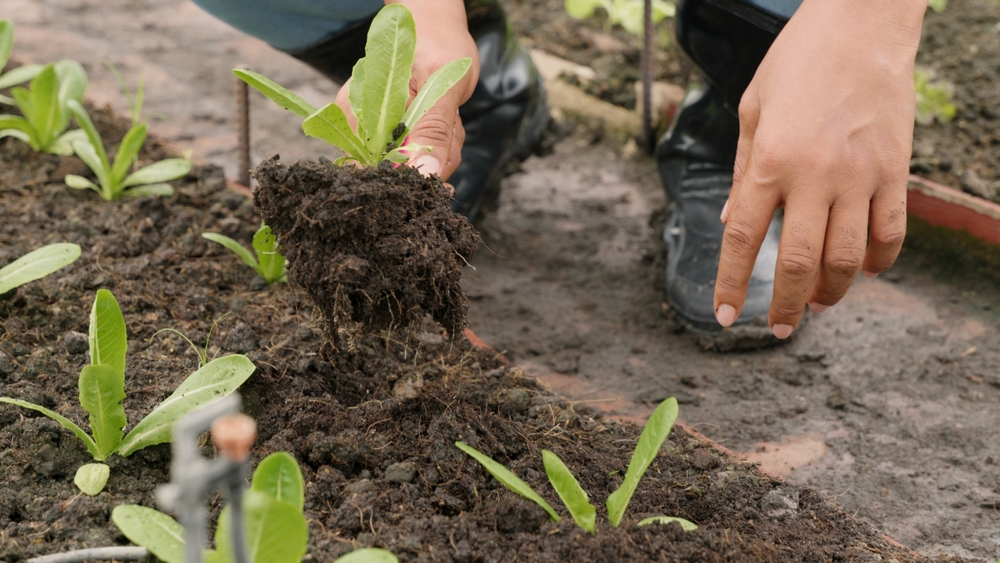
Weeds don’t just steal nutrients from your plants—they also compete with soil microbes for space and resources. Covering beds helps smother weed seeds before they can sprout, giving microbes free reign to do their work undisturbed. Without constant disturbance from weeding and digging, microbial communities can develop more stable colonies. Plus, as weeds are reduced, plants have better access to the nutrients microbes release. So while you’re celebrating fewer weeds, your soil’s hidden workforce is celebrating fewer disruptions.
The Fungal Advantage: Mulch and Mycorrhizae
Fungi are the unsung heroes of the soil world. Mycorrhizal fungi form symbiotic relationships with plant roots, helping them absorb water and nutrients in exchange for sugars. Covering your beds with natural materials encourages fungal networks to grow and connect across your soil. These networks are delicate and easily destroyed by heat, dryness, or frequent tilling. A good cover keeps conditions perfect for fungi to thrive, creating a vast underground web that boosts plant growth from below.
Compost Covers: The Double Win
Compost isn’t just a cover—it’s a microbial supercharger. When used as a top dressing, compost introduces millions of beneficial microorganisms directly into your soil system. It acts as both food and protection, nurturing existing microbes while recruiting new ones. As compost breaks down, it also improves soil texture, increases moisture retention, and adds vital nutrients. Covering beds with compost is like throwing a party for soil microbes and inviting every beneficial organism in town.
Give Your Soil the Gift of a Cozy Cover
At the end of the day, covering your beds is about respect for the life beneath your feet. Those unseen microbes are the true MVPs of your garden, working tirelessly to feed plants, improve soil, and maintain balance. A simple layer of mulch, compost, or leaves can make all the difference between tired, lifeless dirt and a thriving, living ecosystem. So next time you clean up your garden, think twice before leaving soil bare—give it a blanket, and it’ll reward you tenfold.
Have you tried covering your beds and seen a difference in your garden’s health? Share your experiences, tips, or favorite covering methods in the comments below.
You May Also Like…
Why Soil Testing in Fall Saves Money in Spring
How Cover Crops Restore Soil After Summer Stress
10 Gardening Habits That Are Actually Destroying Your Soil
What Is The Best Soil For Container Gardening?
12 Garden Chores You Can’t Skip in November

Brandon Marcus is a staff writer for FrugalGardening.com at District Media, Inc., where he delivers practical gardening advice with a relatable, no-nonsense style. An avid amateur gardener, he holds a BA degree and with over ten years of professional writing experience, he is also an award-winning published author whose first book, Questions For Deep Thinkers, was released by Adams Media. His work has appeared in major publications including Fandom.com, CHUD.com, TheColdWire.com, and Fansided.com.
Leave a Reply