Imagine this: it’s the first warm Saturday of spring, you’re ready to plant flowers, vegetables, or a lush green lawn, and you’re staring at shelves full of fertilizers, soil boosters, and garden amendments with no idea what you really need. Do you grab the “all-purpose” bag? Do you double down on lime because your neighbor swears by it? Or do you guess and hope for the best?
The truth is, winging it in spring often leads to wasted money, weak plants, and frustration. That’s where soil testing in the fall swoops in like a superhero—saving you cash, stress, and time when the growing season arrives.
Fall Is the Perfect Time to Prepare
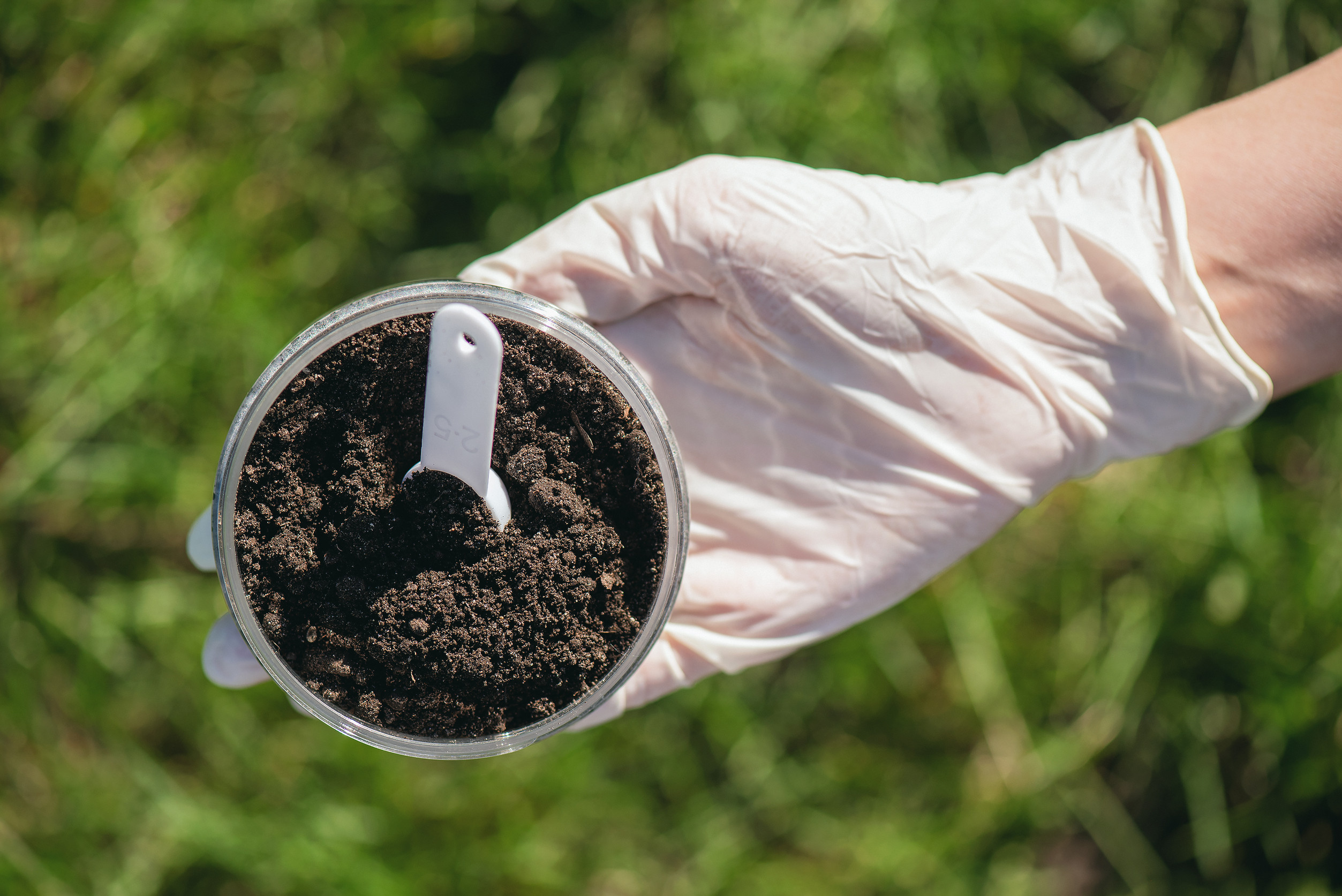
Fall is often overlooked as a prime gardening season, but it’s actually the perfect time to plan ahead. As plants slow down, soil conditions stabilize, giving you the most accurate test results. Sending a sample to your local extension office or using a home test kit now means you’ll know exactly what’s going on beneath the surface. Plus, labs are usually less busy in the fall, so turnaround times are faster. By the time spring rolls around, you’ll already have a game plan instead of scrambling last-minute.
Testing Helps You Avoid Wasted Fertilizer
Fertilizer isn’t cheap, and blindly dumping it on your lawn or garden is like throwing money into the dirt—literally. Soil testing tells you exactly which nutrients are missing and which are already plentiful. For example, you might discover your soil already has enough phosphorus, so adding more would just be wasteful (and potentially harmful to the environment). By tailoring your purchases to actual needs, you’ll spend less money on products you don’t need. That’s like finding free cash in your garden budget.
Correcting Problems Takes Time
Soil amendments don’t work overnight—they need months to settle in and take effect. Fall testing gives you a head start, allowing lime, compost, or other additives to break down and improve soil structure before planting season. By spring, your soil is balanced, healthy, and ready to fuel strong root growth. If you wait until spring to test, you’ll discover issues too late to fix them in time for the season. Think of fall soil testing as the slow cooker of gardening—prep it now, enjoy the results later.
Healthy Soil Means Stronger Plants
When your soil is balanced, your plants won’t just survive—they’ll thrive. Testing in fall helps you figure out the exact pH and nutrient levels your soil needs for maximum growth. Healthier soil leads to stronger root systems, more vibrant blooms, and tastier vegetables. Not only does this make your garden more beautiful, but it also reduces the need for expensive rescue treatments later. Simply put: healthy soil is the cheapest insurance policy for your garden.
It Prevents Costly Mistakes
One of the biggest financial risks for gardeners is overcorrecting. Without testing, you might add too much lime, nitrogen, or other amendments, which can throw your soil balance completely out of whack. Fixing those mistakes often costs more than the original problem. Soil testing in fall prevents this by giving you exact numbers to work with, so you don’t play the guessing game. It’s the difference between precision and expensive trial-and-error.
Saves Water and Resources in the Long Run
When your soil is balanced, it retains water and nutrients more efficiently. That means you’ll spend less on irrigation, fertilizers, and soil treatments throughout the season. Plants in well-prepared soil are also more resilient, so you’ll save money on pesticides and disease treatments. Fall testing is like tightening all the bolts before driving a long road trip—it keeps everything running smoothly. In the long run, this efficiency adds up to serious savings.
Test Now, Thank Yourself Later
Soil testing in the fall isn’t just a nerdy gardener’s trick—it’s a smart financial move that pays off in spring. By preparing your soil months in advance, you avoid wasted fertilizer, correct problems in time, and create healthier conditions for plants to thrive. Stronger plants and efficient soil management mean you’ll spend less and enjoy more when the warm weather returns.
Have you ever tried fall soil testing, or do you have a story about how skipping it cost you in spring? Share your thoughts, experiences, and tips in the comments below.
You May Also Like…
The Eggshell Hack That Actually Improves Your Soil
Why Your Garden Soil Might Be Too Rich
10 Gardening Habits That Are Actually Destroying Your Soil
From Paper Towel to Potting Soil: The Ideal Time to Transplant Your Seedlings
Spring Is Almost Here: 5 Gardening Rules to Ensure Your Garden is Ready

Brandon Marcus is a staff writer for FrugalGardening.com at District Media, Inc., where he delivers practical gardening advice with a relatable, no-nonsense style. An avid amateur gardener, he holds a BA degree and with over ten years of professional writing experience, he is also an award-winning published author whose first book, Questions For Deep Thinkers, was released by Adams Media. His work has appeared in major publications including Fandom.com, CHUD.com, TheColdWire.com, and Fansided.com.
Leave a Reply