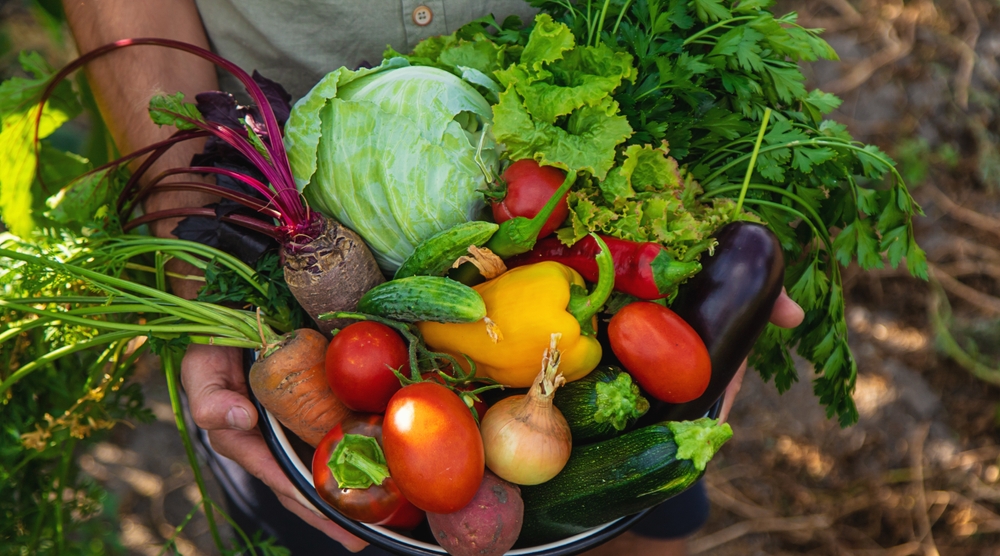
You’ve spent all season nurturing your garden—watering, weeding, and proudly watching those tomatoes, cucumbers, and carrots grow into perfection. Harvest day feels like victory… until a week later, your beautiful bounty turns mushy, moldy, or strangely flavorless.
What happened? The truth is, storing produce is its own art form, and even the greenest of thumbs make surprisingly simple mistakes that can send their harvest straight to the compost pile. Let’s explore into the most common slip-ups gardeners make when storing produce—and how to keep your fruits and veggies fresh, flavorful, and long-lasting.
1. Mixing Fruits and Vegetables
It might seem efficient to pile all your produce together in one basket or fridge drawer, but that’s a freshness disaster waiting to happen. Many fruits, like apples and bananas, emit ethylene gas—a natural ripening agent that causes nearby vegetables to spoil faster. Leafy greens and root veggies are especially sensitive to it. The result? Wilted lettuce, soft carrots, and soggy cucumbers. Keep fruits and vegetables in separate storage areas to give them both a longer, happier shelf life.
2. Washing Everything Right Away
Sure, you want your harvest to look squeaky clean, but washing produce before storage is a rookie mistake. Moisture invites mold, rot, and bacteria faster than you can say “farm fresh.” Instead, gently brush off dirt and debris, but save the washing for just before you plan to eat or cook. This small step helps prevent early spoilage. A little patience goes a long way toward keeping your produce crisp and tasty.
3. Ignoring Temperature Differences
Not all produce likes it chilly. Tomatoes, potatoes, onions, and garlic actually prefer room temperature or slightly cool storage—not the fridge. Cold temperatures can ruin flavor, alter texture, and even cause discoloration. On the other hand, berries, greens, and herbs do need that extra chill to stay perky. Knowing which fruits and veggies prefer which temperatures can make the difference between delicious and disappointing.
4. Skipping Air Circulation
Your produce needs to breathe! Storing everything in airtight plastic bags traps moisture and speeds up decay. A better option? Use mesh bags, perforated containers, or even paper bags to allow air to flow. Proper ventilation keeps produce dry and slows down spoilage. It’s like giving your veggies a breath of fresh air every day.
5. Forgetting to Check for Bad Apples
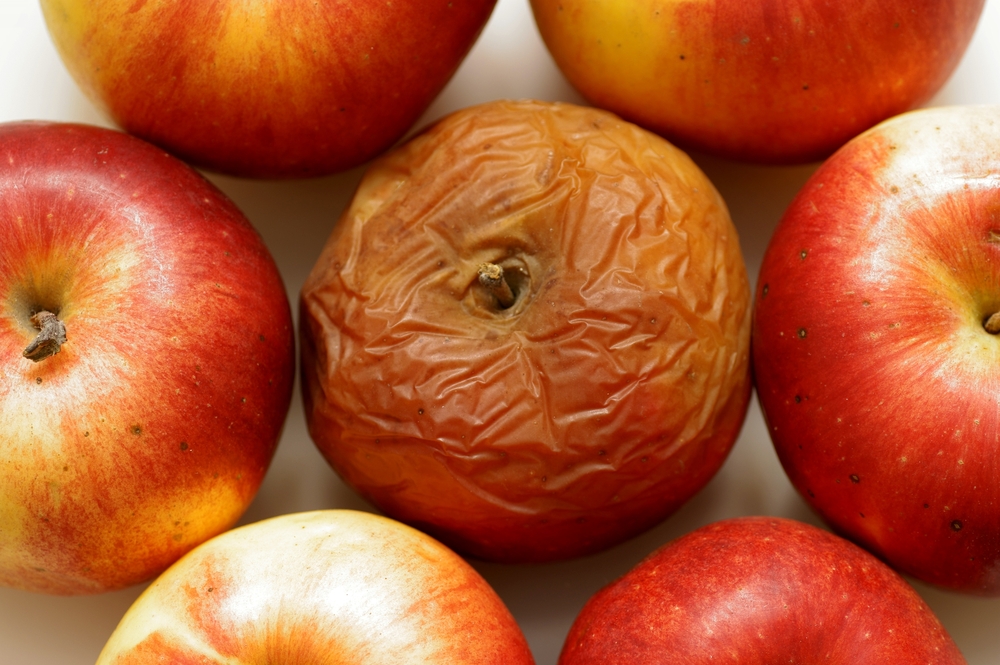
There’s truth to the saying “one bad apple spoils the bunch.” Just one overripe or damaged fruit can spread mold or bacteria to everything around it. Many gardeners forget to check their stored produce regularly, leaving the problem to quietly fester. Doing a quick “produce patrol” every few days helps you catch trouble early. Remove anything soft or spotted immediately—it’s garden triage in action.
6. Storing Herbs Like Lettuce
Herbs aren’t just fancy leaves; they’re delicate and need a little extra TLC. Tossing them in a bag with other greens often leads to limp, slimy sadness. Instead, treat them like cut flowers: trim the stems, place them in a jar of water, and cover them loosely with a plastic bag before refrigerating. For woody herbs like rosemary or thyme, simply wrap them in a damp paper towel and store them in a resealable bag. Proper herb storage can double their lifespan—and keep your meals bursting with flavor.
7. Overcrowding Storage Containers
It’s tempting to cram all your freshly harvested produce into one spot, but overcrowding leads to faster spoilage. Fruits and veggies packed tightly together trap moisture and restrict airflow, creating a perfect breeding ground for mold. Give your produce space to breathe—think “roommates,” not “sardines.” Spreading items out on trays or shelves allows them to stay drier and fresher longer. The golden rule: no squishing the squash!
8. Neglecting Root Crop Basics
Carrots, beets, and radishes love cool, humid environments—but only when stored correctly. Many gardeners forget to remove the leafy tops before storing, which causes the roots to lose moisture and shrivel up. Trim the greens, leave an inch of stem, and store the roots in damp sand, peat, or sawdust in a cool area. It’s an old-fashioned method that still works wonders. Done right, your root crops can last through the winter with ease.
9. Keeping Produce in Direct Sunlight
Sunlight may help plants grow, but after harvest, it becomes their worst enemy. Leaving your produce on a sunny counter speeds up ripening and dehydration. That’s fine if you want your green tomatoes to blush red—but not so great for everything else. Store harvested items in a cool, dark, and well-ventilated area to slow down the aging process. Your veggies will thank you by staying fresher, longer.
10. Forgetting the “Ripen First, Store Later” Rule
Some fruits, like avocados, peaches, and pears, need time to ripen before refrigeration. Putting them in the fridge too early halts the ripening process and leaves them bland and hard. Let them reach peak ripeness on the counter, then move them to the fridge to extend freshness. It’s all about timing—just like gardening itself. A little patience ensures that your fruits taste their sweetest when you finally bite in.
11. Not Labeling or Rotating Stored Produce
It’s easy to lose track of what you’ve harvested and when. Without labeling, you might accidentally eat the newest batch first and let the older produce go bad in the back of the fridge. Date your storage containers or bins, and always use the “first in, first out” rule. This simple habit keeps your produce rotation smooth and your waste minimal. After all, there’s no sense in growing food only to forget it later!
Keep Your Harvest Happy
Storing produce is more than just tossing it in the fridge—it’s an extension of your gardening skills. Avoiding these eleven mistakes can mean the difference between a vibrant, long-lasting harvest and a sad, soggy mess. With a few tweaks—like separating fruits, keeping air flowing, and checking for spoilage—you can enjoy your garden’s bounty for weeks or even months.
Have you discovered your own storage tricks (or made a few hilarious blunders)? Share your experiences and ideas in the comments below—we’d love to hear your garden stories.
You May Also Like…
How Wildlife Relies on Your Fall Garden for Survival
12 Unexpected Health Benefits of Gardening That Go Beyond Fresh Produce
12 Garden Chores You Can’t Skip in November
Why Your Garden Needs a Journal (Even If You Hate Writing)
7 Ways to Garden Without a Backyard

Brandon Marcus is a staff writer for FrugalGardening.com at District Media, Inc., where he delivers practical gardening advice with a relatable, no-nonsense style. An avid amateur gardener, he holds a BA degree and with over ten years of professional writing experience, he is also an award-winning published author whose first book, Questions For Deep Thinkers, was released by Adams Media. His work has appeared in major publications including Fandom.com, CHUD.com, TheColdWire.com, and Fansided.com.
Leave a Reply