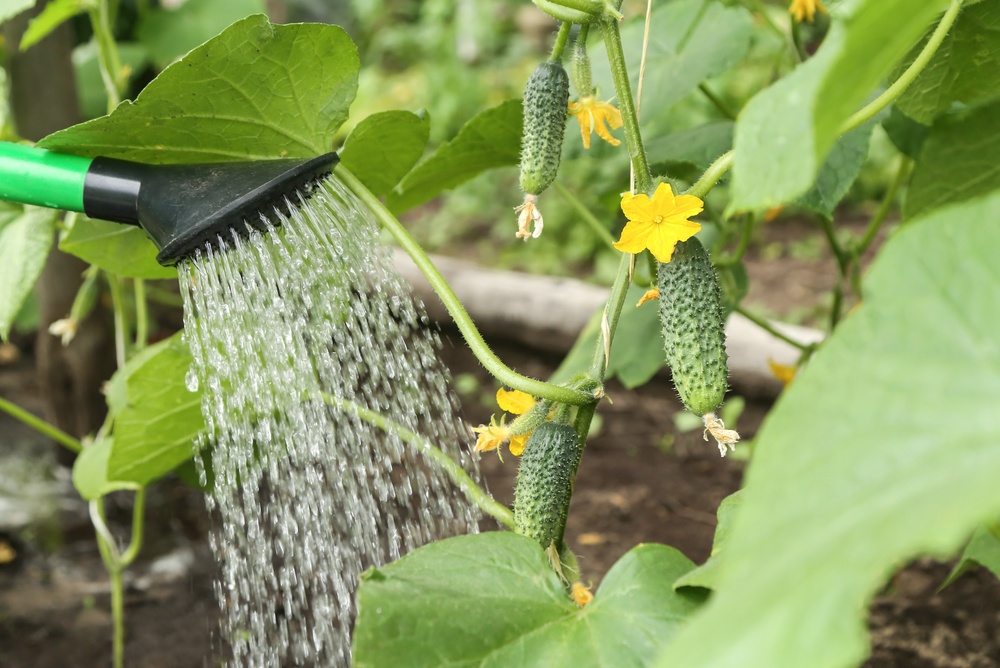
A garden can drink a surprising amount of water, but that does not mean every thirsty-looking plant needs another drink. Often, the bigger problem comes from water landing in the wrong place, evaporating too quickly, or running away before roots get a useful sip. A few smarter habits can reduce water use while keeping vegetables, flowers, herbs, and shrubs properly hydrated.
It all involves changing how water reaches the garden rather than simply giving plants less of it. That distinction matters because chronic underwatering can stress plants, reduce growth, and make vegetables disappointingly small, while inefficient watering wastes water without helping roots much at all. These six strategies focus on getting more benefit from every watering session.
1. Put Mulch to Work
Mulch acts like a protective blanket over bare soil, slowing evaporation from the surface and helping the soil maintain more consistent moisture. Organic options such as shredded leaves, straw, compost, and untreated wood chips can work especially well around many garden plants. Mulch also helps suppress weeds, which matters because weeds compete with desirable plants for available water and nutrients. Keep mulch a little away from plant stems and trunks because constant moisture against plant tissue can encourage rot and other problems. A few inches of suitable mulch can make a noticeable difference, particularly during hot, dry stretches when exposed soil loses moisture rapidly.
The material matters less than using it correctly for the situation. Straw works beautifully around many vegetable crops, while wood chips suit pathways, ornamental beds, and established shrubs better than tiny seedlings. Avoid piling mulch against tree trunks or creating a thick, soggy layer that blocks air from reaching the soil surface. Check beneath the mulch before watering because the surface can look dry while the soil underneath still holds plenty of moisture. That simple finger test can prevent the classic gardening mistake of watering because the mulch looks thirsty.
2. Water the Roots, Not the Neighborhood
Sprinklers can cover a large area quickly, but they also wet foliage, paths, patios, and every weed that managed to sneak into the bed. Drip irrigation and soaker hoses can direct water closer to the soil around plant roots, reducing unnecessary wetting. Hand watering with a hose can work just as well for smaller gardens when the water flows slowly enough to soak the root zone instead of creating runoff. A slow application gives water more time to move into the soil rather than racing across the surface. Positioning irrigation equipment carefully also prevents water from repeatedly landing several inches away from the plants that actually need it.
Different plants need different watering patterns, so one setting rarely suits an entire garden. A tomato growing in a sunny raised bed may need attention more often than an established shrub with a deeper root system, while seedlings usually need more frequent checks than mature plants. Watch the soil rather than following a rigid calendar, especially after rain or during unusually cool weather. If water begins pooling or running off, pause and let it soak in before continuing. The goal involves moistening the root zone thoroughly without turning the garden into a miniature swimming pool.
3. Water When the Timing Makes Sense
Early morning usually offers an excellent window for watering because cooler conditions give water more time to soak into the soil before daytime heat increases evaporation. Evening watering can also reduce evaporation, but consistently leaving foliage wet overnight can create a more favorable environment for some fungal diseases, particularly in dense plantings. Midday watering does not automatically waste every drop, but hot, windy conditions can increase evaporation before water reaches the roots. Timing matters most when combined with good watering technique and healthy soil. A poorly placed hose at dawn can still waste water, while carefully directed water at another time can still benefit the garden.
Weather should also get a vote in the watering schedule. After meaningful rainfall, check the soil before turning on irrigation because plants may already have plenty of moisture available. Windy weather can increase water loss, while cloudy and cooler conditions can slow it considerably. Containers deserve special attention because they can dry faster than garden beds, especially when plants sit in small pots exposed to sun and wind. A quick soil check often tells a more useful story than an automatic reminder on a phone.
4. Improve the Soil Before Increasing the Water
Healthy soil can hold and supply water more effectively than compacted, poorly structured soil, making soil improvement one of the quieter ways to reduce irrigation needs. Adding finished compost or other appropriate organic matter can improve soil structure and water-holding capacity in many garden situations. Sandy soil may lose water quickly, while heavy clay can hold water but drain poorly when compaction limits pore space. Organic matter can help, but gardeners should choose amendments based on the existing soil rather than dumping large quantities of material into every bed. A simple soil test can provide useful information about pH and nutrient levels before major amendments enter the picture.
Avoid the temptation to dig endlessly just because the soil feels imperfect. Repeated disturbance can damage soil structure and expose moisture to evaporation, while working wet clay can create stubborn compaction. Covering bare soil with mulch and adding compost appropriately can improve the growing environment without turning every bed into a construction project. Soil improvement also works as a long game, so it will not instantly rescue a severely dry garden. Still, better soil can make future watering more productive because more of the applied water remains available around plant roots.
5. Choose Plants That Match the Site
Water conservation becomes much easier when plants match the conditions already available in the garden. A sun-baked bed will demand more irrigation from a moisture-loving plant than from a species adapted to hot, dry conditions. Native and regionally adapted plants can offer strong choices because many suit local climate patterns, although gardeners still need to match each plant to its specific soil, sunlight, and moisture requirements. Even drought-tolerant plants need regular water while they establish their root systems. Once established, many suitable plants can handle dry periods better than plants that constantly fight the conditions.
Vegetable gardens require a slightly different approach because gardeners usually choose crops for food rather than their ability to tolerate neglect. Grouping crops with similar water needs can prevent the awkward situation where one plant needs a drink while its neighbor would prefer to stay relatively dry. Planting thirsty crops in convenient locations near water sources can also make efficient irrigation easier. Saving the highest-maintenance spots for crops that genuinely need regular moisture keeps the rest of the landscape simpler. In other words, the best water-saving plant may simply be the right plant in the right place.
6. Hunt Down Water Thieves
Leaks, runoff, clogged irrigation lines, and poorly aimed sprinklers can quietly waste water while the garden still looks thirsty. Check hoses, connectors, emitters, and irrigation lines regularly, especially when one section of a bed suddenly looks much drier than another. Remove weeds before they become large competitors for moisture, and keep an eye on bare soil where evaporation can happen quickly. Rain barrels can also provide supplemental water for gardens where local rules allow their use, although stored rainwater needs appropriate handling and should not replace reliable water during prolonged dry periods. Small inefficiencies become much easier to fix once gardeners start looking for where the water actually goes.
The smartest watering routine rarely involves simply turning the faucet on less often. It involves getting water into the soil, keeping it there, and giving plants access to it when they actually need it. Mulch, efficient irrigation, sensible timing, improved soil, suitable plants, and regular maintenance all attack a different source of waste. Together, they can reduce unnecessary watering without leaving the garden parched and miserable. The next time the garden asks for a drink, check the soil, inspect the setup, and make every drop count.
Make Every Drop Pull Its Weight
Water conservation does not require turning a productive garden into a dusty collection of sad-looking plants. It requires a little more attention to soil moisture, plant needs, irrigation placement, and the conditions that cause water to disappear too quickly. The payoff comes from healthier roots, fewer unnecessary watering sessions, and a garden that uses its available moisture more efficiently. Sometimes the best water-saving tool costs almost nothing, such as a layer of mulch or a fingertip pushed into the soil before reaching for the hose. A smarter garden does not need to go thirsty.
Which of these water-saving strategies has made the biggest difference in your garden, or which one would you add to the list?
You May Also Like…
Understanding Native Plants That May Lower Watering Needs Over Time
How Much Water Does a Garden Need During Late-Summer Heat?
Why Deep Watering Matters More Than Daily Sprinkling During Hot Weeks
Why Self-Watering Gardens Are Suddenly So Popular
How to Tell If You’re Watering Deeply Enough

Brandon Marcus is a staff writer for FrugalGardening.com at District Media, Inc., where he delivers practical gardening advice with a relatable, no-nonsense style. An avid amateur gardener, he holds a BA degree and with over ten years of professional writing experience, he is also an award-winning published author whose first book, Questions For Deep Thinkers, was released by Adams Media. His work has appeared in major publications including Fandom.com, CHUD.com, TheColdWire.com, and Fansided.com.
Leave a Reply