A raised bed does not need a glamorous autumn makeover. In fact, the most useful fall preparation often involves things already sitting around the yard, a few inexpensive materials, and resisting the urge to buy every shiny garden product within arm’s reach.
Fall prep matters because what happens in the bed after summer can affect the next growing season. A little cleanup, some smart soil care, and basic protection can leave a raised bed cleaner, healthier, and ready for spring without turning the garden center into a financial emergency.
Start With Cleanup, But Do Not Strip the Bed Bare
The first job involves removing spent annual plants, diseased foliage, and weeds before they settle in for the winter. Pull tomato plants, squash vines, bean plants, and other finished crops once they stop producing, especially if they show signs of disease or serious pest problems. Healthy plant material can often go into a compost pile, but diseased plants deserve a trip to the trash rather than a return to the garden through homemade compost. Leaving every scrap of vegetation behind can create hiding places for pests and preserve some plant diseases from one season to the next.
That does not mean the raised bed needs to look like a freshly vacuumed living room. Leaving healthy roots in the soil can add organic matter as they decompose, while chopped healthy leaves can provide useful material for the soil and nearby compost pile. Pull obvious weeds before they produce seeds, because next spring does not need a surprise crop of weeds courtesy of this year’s procrastination. A hand cultivator or even a sturdy garden fork can handle much of this work without purchasing another specialized tool. The goal involves removing problems, not removing every living thing from the bed.
Feed the Soil Without Buying a Shopping Cart Full of Products
Once the bed looks reasonably tidy, give the soil some attention before winter settles in. Finished compost makes one of the most useful additions because it supplies organic matter and improves soil structure without requiring a complicated amendment routine. A modest layer spread across the surface can provide material for soil organisms to work into the bed over time. Homemade compost works beautifully when it has fully decomposed and smells earthy rather than sour or rotten. If buying compost, compare bags by volume and look for finished, plant-based compost rather than assuming the most expensive option offers the best value.
Skip the temptation to dump fertilizer onto an empty bed simply because fall feels like a good time to feed everything. Most dormant or nearly dormant garden beds do not need a heavy fertilizer application, and nutrients can move through the soil before plants can use them. A soil test makes more sense if the garden has struggled repeatedly or if the gardener suspects a nutrient imbalance, since guessing can waste both money and amendments. For a small budget, compost and good observation usually beat a pile of specialty products with impressive labels. Save the expensive tinkering for a problem that actually needs fixing.
If you’re looking for more on how to do this, The Oklahoma Homesteader has a really good posting with some thoughts on how to do raised beds well.
Use Leaves as Cheap Garden Gold
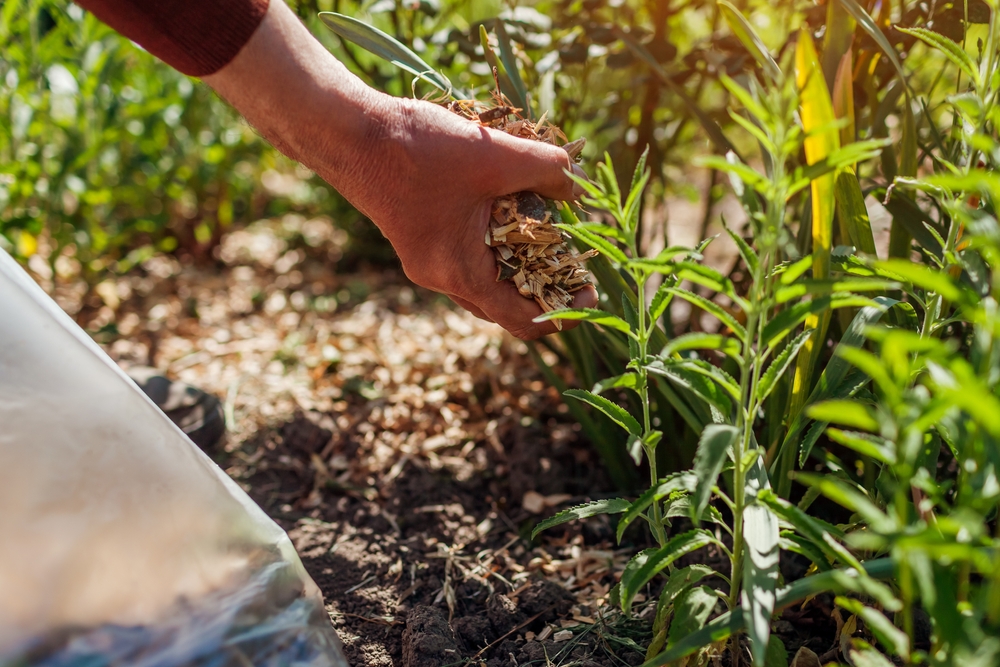
Few fall garden materials offer better value than fallen leaves. Shredded leaves can serve as mulch on the soil surface, helping moderate temperature swings, reduce erosion, and gradually add organic matter as they break down. A lawn mower can shred dry leaves before they go onto the garden, which turns a chore into a free source of garden material. Avoid piling thick layers of whole, wet leaves onto the bed because they can mat together and restrict air and water movement. Instead, use a loose layer of shredded leaves and keep them slightly away from the crowns or stems of plants that remain in the bed.
Leaves can also become future compost, giving gardeners another way to stretch a small budget. Mix them with green materials such as fresh plant trimmings or vegetable scraps when building a compost pile, and keep the pile reasonably moist without soaking it. Avoid adding leaves from plants that suffered significant disease problems, particularly when the compost pile cannot reliably reach temperatures that help destroy pathogens. Clean, shredded leaves offer an easy alternative to buying bags of decorative mulch every autumn. The neighborhood trees may already have delivered the raw material right to the driveway, which is gardening convenience at its finest.
Protect the Bed Before Winter Moves In
Raised beds sit above surrounding ground, so their soil can experience greater exposure to winter temperature changes than soil at ground level. A layer of organic mulch can provide useful protection against erosion and repeated freezing and thawing while also helping the soil retain moisture. Shredded leaves, clean straw, or finished compost can work depending on what the garden contains and what materials cost locally. Keep woody mulch away from vegetable stems and avoid using hay that contains mature weed seeds. A simple layer of suitable material often does far more good than an elaborate winterizing kit.
The bed itself deserves a quick inspection, too. Check wooden sides for rot, loose fasteners, or boards that have started to bow, because a small repair now can prevent a larger repair later. If the structure needs attention, reuse sturdy screws, leftover lumber, or other suitable materials when possible rather than replacing an entire bed. Do not line the bottom of a raised bed with plastic simply to create a barrier unless a specific situation calls for it, because excess water needs a way to drain. Spend money where the bed actually needs it, and let the soil, mulch, and winter weather handle the rest.
A Little Fall Work Can Save Spring Money
The cheapest raised-bed preparation usually follows a simple formula: remove genuine problems, protect the soil, reuse useful materials, and leave unnecessary purchases on the store shelf. Healthy plant roots can remain in place, clean leaves can become mulch, and finished compost can improve the bed without requiring a cabinet full of mysterious soil additives. A quick inspection of the bed frame can also catch small structural problems before winter makes them worse. None of these jobs require fancy equipment or a weekend-long battle with the garden.
The bigger payoff comes when spring arrives and the bed does not need a complete rescue mission. Soil covered with suitable organic material faces less exposure, useful garden materials remain in circulation, and the gardener starts the new season with fewer chores waiting in ambush. Fall preparation should make the next season easier, not create an expensive second gardening hobby. A raised bed can head into winter looking pleasantly ordinary, which is exactly the point. Good garden preparation rarely needs to shout for attention.
Which low-cost fall preparation trick has saved the most time, money, or frustration in your raised beds?
You May Also Like…
7 Budget-Friendly Tasks That Prepare Raised Beds for Fall
What Is Causing Mushrooms to Appear Around Raised Beds?
Can You Move a Raised Bed Without Replacing All the Soil?
Why Raised Garden Beds Are Becoming a Backyard Status Symbol
Stop Buying Raised Beds: 4 Cheap Building Alternatives That Last Longer

Brandon Marcus is a staff writer for FrugalGardening.com at District Media, Inc., where he delivers practical gardening advice with a relatable, no-nonsense style. An avid amateur gardener, he holds a BA degree and with over ten years of professional writing experience, he is also an award-winning published author whose first book, Questions For Deep Thinkers, was released by Adams Media. His work has appeared in major publications including Fandom.com, CHUD.com, TheColdWire.com, and Fansided.com.
Leave a Reply