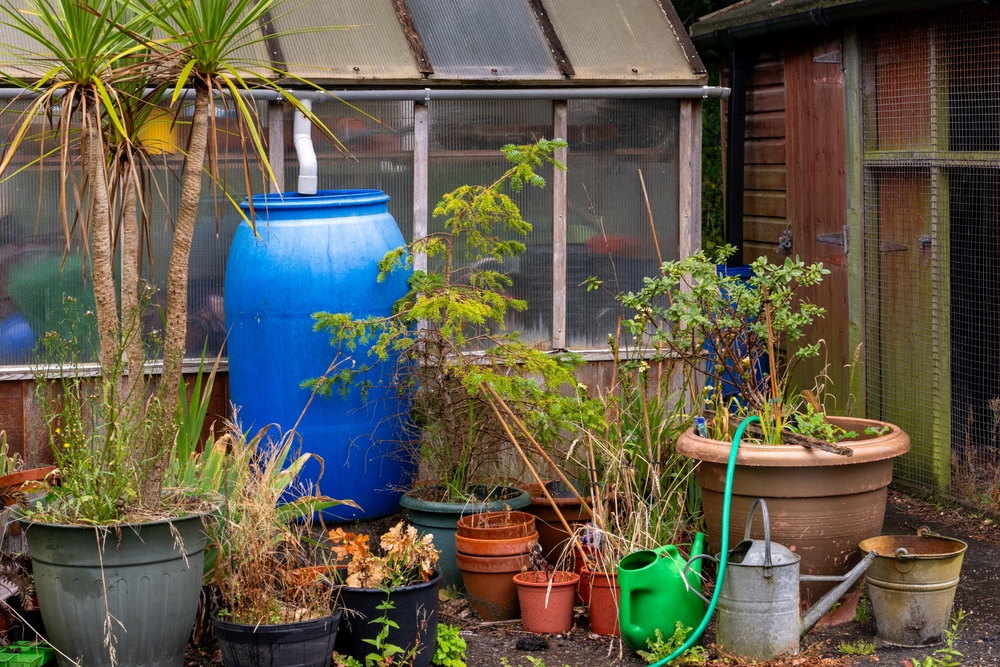
A rain barrel usually sits quietly beside a downspout, collecting water for a later date. A newer low-cost irrigation idea flips that script: instead of storing every drop for a future watering session, gardeners puncture tiny holes near the bottom of a barrel and let collected rainwater slowly seep into the soil.
The concept has an appealing simplicity. Rain falls, the barrel fills, and the garden receives a slow drink without a pump, timer, or complicated network of tubing. But before anyone grabs a drill and turns a perfectly good rain barrel into a leaky garden ornament, the details matter. Done thoughtfully, the method can help deliver water gradually to nearby planting areas. Done carelessly, it can create soggy soil, mosquito habitat, foundation problems, or a barrel that empties before the plants get much benefit.
The Idea Is Simple, but Placement Makes or Breaks It
The basic concept involves drilling very small holes near the lower portion of a sturdy water container and positioning it beside a garden bed, tree, or ornamental planting area. Rainwater enters the container, then gradually escapes through the openings into the surrounding soil instead of waiting for someone to haul out a hose. The Royal Horticultural Society has highlighted the idea of puncturing water butts to provide a slow flow into soil while creating room for future rainfall.
That does not mean every barrel belongs beside every plant. A container placed on heavy clay soil may release water far more slowly than one sitting on loose, sandy ground, while a barrel positioned directly beside a house can send unwanted moisture toward the foundation. A smart setup needs level, stable ground and a planting area that can absorb the water without staying constantly saturated. The goal involves slow delivery, not creating a permanent backyard puddle.
Tiny Holes Can Create a Surprisingly Different Watering Pattern
A conventional rain barrel stores water until a gardener opens a spigot or connects a hose. A punctured version turns the container into something closer to a passive reservoir, although the water flow will depend heavily on the hole size, the water level inside the barrel, the soil texture, and the container itself. Larger openings can empty the barrel quickly, while extremely tiny openings may clog with sediment or release water so slowly that nearby plants receive little benefit.
That makes testing essential. A gardener can start with a very small number of openings and observe what happens after a rainfall rather than drilling a constellation of holes all at once. Check the soil several inches away from the barrel after the container fills, look for pooling, and watch how quickly the water level drops. This kind of small-scale trial can reveal more than a one-size-fits-all internet recipe because gardens differ dramatically in soil, slope, rainfall, and plant needs.
The Biggest Mistake Involves Treating Every Plant Like a Swamp Plant
Slow watering can make sense near established trees, shrubs, and ornamental beds that benefit from gradual moisture reaching the root zone. It can also help gardeners reduce the chore of repeatedly dragging a hose across a planting area during stretches of irregular rainfall. Mulch around the planting area can further reduce evaporation and help the soil hold onto moisture between rain events.
Vegetable gardens require more caution, especially when the water comes from a roof collection system. Extension guidance commonly treats rain barrel water as non-potable, and some recommendations advise against using it directly on edible crops because roof runoff can pick up contaminants. The University of Minnesota Extension recommends rain barrel water for ornamental plants and notes that it generally should not irrigate edible plants such as vegetables, fruits, greens, and edible flowers. A punctured barrel beside a flower bed therefore makes a much more sensible experiment than one positioned next to a lettuce patch.
Mosquitoes Will Happily Review the New Irrigation System
A rain barrel with standing water can become an excellent mosquito nursery if openings allow adult mosquitoes to get inside. The CDC recommends tightly covering rain barrels or using mosquito-proof mesh on containers that lack secure lids, while other public health guidance also recommends keeping openings screened and using appropriate larvicides when necessary.
Puncturing the lower section of a barrel does not solve the mosquito problem because the barrel can still hold water above the holes. A tight lid, screened inlet, and screened overflow remain important parts of the setup. Gardeners should also inspect the container regularly, especially after a warm spell, and follow local guidance and product labels if they use a biological mosquito larvicide such as a product containing Bacillus thuringiensis israelensis.
A Punctured Barrel Will Not Replace Every Irrigation System
The idea works best as a targeted, low-tech tool rather than a universal replacement for drip irrigation. A large vegetable plot, a row of thirsty annuals, or a landscape with widely scattered plants may need more controlled water distribution than a single leaking container can provide. A punctured barrel also depends on rainfall, which means it cannot magically water plants during a long dry spell when the reservoir sits empty.
The approach can make sense for a small planting zone where a gardener wants to capture rain and release it gradually without buying a pump or installing a full irrigation network. Keep the barrel stable, protect it from tipping, direct overflow away from buildings, and inspect the soil rather than assuming more water always equals healthier plants. University of Saskatchewan guidance also emphasizes secure placement, screened openings, overflow management, and the fact that full rain barrels become extremely heavy.
The Smartest Version of This Trend Starts with A Cautious Drill
Punctured rain barrels could become a useful low-cost irrigation trick for the right garden, particularly when a gardener treats the method as an experiment instead of a magic watering solution. The most practical approach involves starting small, placing the barrel beside suitable ornamental plantings, monitoring soil moisture, and adjusting the setup before waterlogging becomes a problem. A few tiny holes may provide a gentle release, but the surrounding soil ultimately determines whether that release helps or causes trouble.
The idea also carries a useful gardening lesson: low-tech does not automatically mean foolproof. A barrel, a drill, and a rainy forecast can create a clever water-saving system, but good placement and regular maintenance still matter. For gardeners with the right site, this unusual twist on rainwater harvesting could offer an inexpensive way to turn stormwater into a slow, steady resource instead of letting every drop disappear down the gutter.
Could a punctured rain barrel work in your garden, or does the idea sound like a recipe for a soggy mess? Share your thoughts and experiences in the comments.
You May Also Like…
Turn Rain Barrels into Low-Tech Irrigation by “Puncturing” Them—Let Water Drip Slowly to Plant Roots
Could a Gravel Garden Cut Watering Without Looking Bare?
Why Deep Watering Matters More Than Daily Sprinkling During Hot Weeks
The Rain Barrel Revolution: Stop Paying for Garden Water This Summer

Brandon Marcus is a staff writer for FrugalGardening.com at District Media, Inc., where he delivers practical gardening advice with a relatable, no-nonsense style. An avid amateur gardener, he holds a BA degree and with over ten years of professional writing experience, he is also an award-winning published author whose first book, Questions For Deep Thinkers, was released by Adams Media. His work has appeared in major publications including Fandom.com, CHUD.com, TheColdWire.com, and Fansided.com.
Leave a Reply